
Approved by the Ministry of Tourism, Government of India – Reg. No. : 270620263672

Journey of a lifetime…

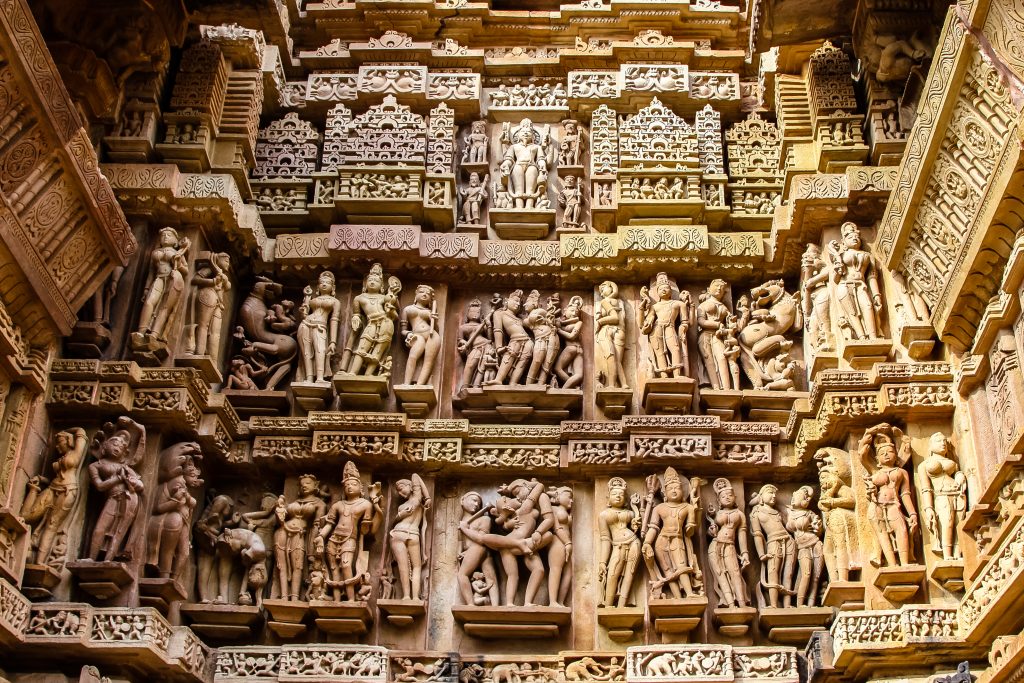
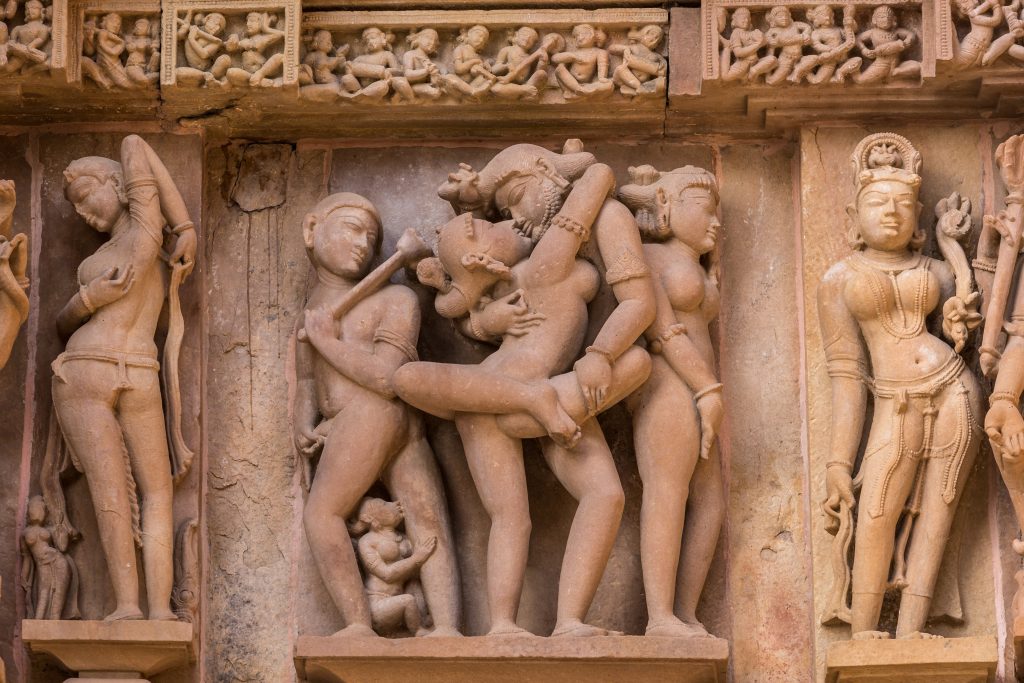
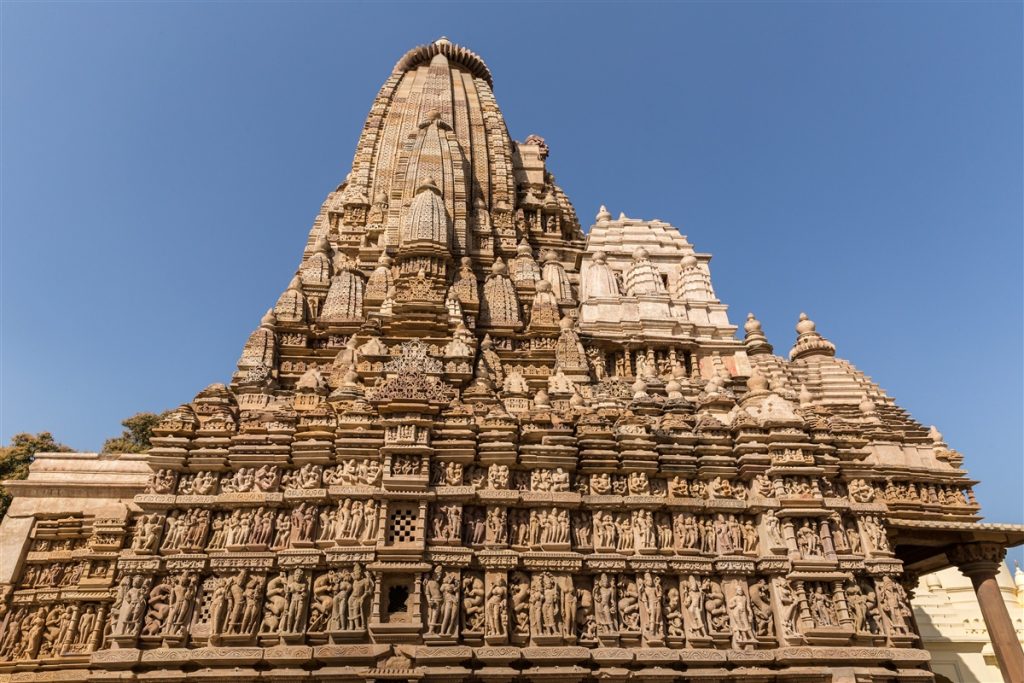
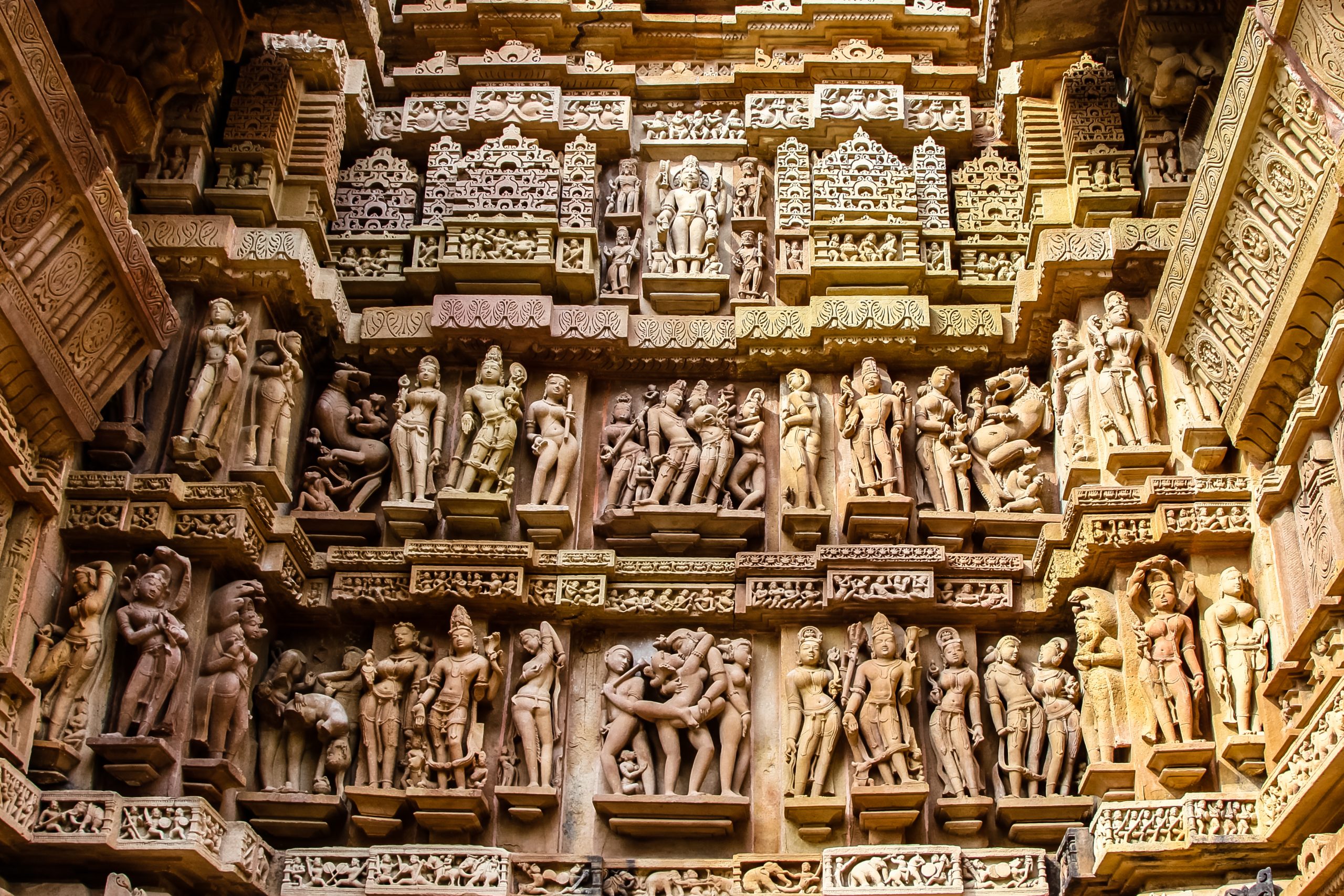
An ancient city in Madhya Pradesh, Khajuraho, is known for its picturesque temples and sculptures. Built by the Chandela Dynasty in the medieval period from 950 to 1050 AD, the temple structures are now a UNESCO World Heritage site because of their unique idols, spiritual teachings, and artistic architecture. The Hindu and Jain temples are unlike any other in the country, with their uniquely crafted sensual sculptures that depict ancient sagas. It has become a famous tourist destination among domestic as well as international travelers,, as many want to witness the splendid architecture worthy of this heritage tag.

Eye-Catching Places to Visit in Khajuraho

Kandariya Mahadev Temple

With a history dating back to 1050 AD, the Kandariya Mahadev temple is the largest Hindu temple among the structures at Khajuraho. There are numerous statues and spires across the temple, which is dedicated to Lord Shiva. Flawless marble was used to create a magnificent Shiva Linga dedicated to the lord. There is also a miniature of Mount Kailash on the premises that makes for a beautiful sight. The temple is open from 6 am in the morning to 6 pm in the evening.

Lakshmana Temple

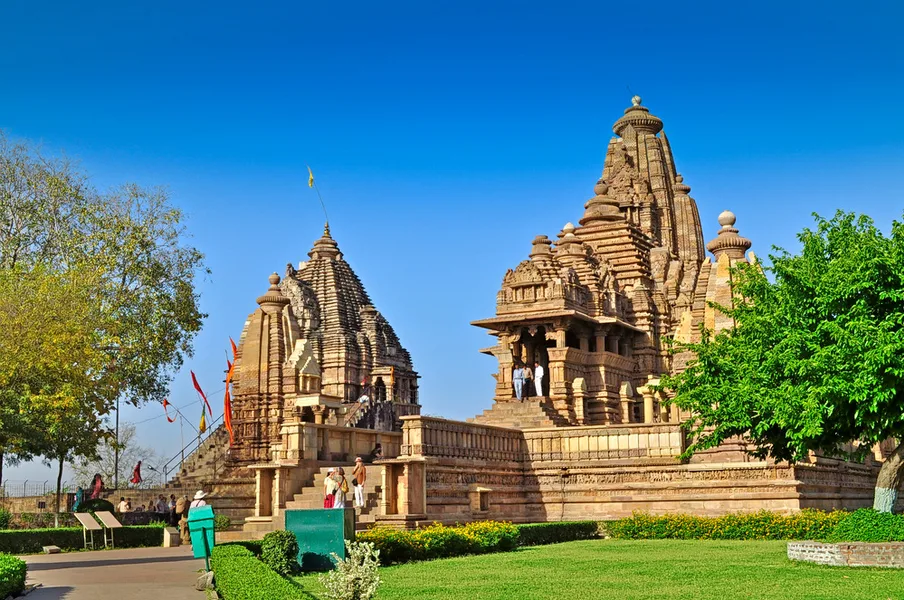
One of the earliest constructions in the group of temples, the Lakshmana Temple, is dedicated to the Hindu Lord Vishnu. The divine trinity of Brahma, Vishnu, and Shiva welcomes you to the entrance of the temple which also has a depiction of Vaikuntha-Vishnu as its sanctum. The effort and planning done by the Chandela rulers can be seen across the magnificence of the structure. More than 600 deities are extravagantly presented on the exterior of the temple. A mere ticket cost is needed to enter the temple which is open from 8 am every morning till 6 pm in the evening.

Matangeshwar Temple

Another fine example of Indian artistry in sculpting, the Matangeshwar Temple was established as a shrine to Lord Shiva by Chandra Dev, built by the Chandela dynasty in the ninth century. Located in the western group of temples, it houses an eight-foot-tall Shiva Lingam made of yellow limestone. A puja is held every morning, which makes for a wonderful experience to witness the temples. Unlike other structures, only the roof is beautifully adorned with sculptures, while the pillars are simply unadorned.

Parsvanath Temple

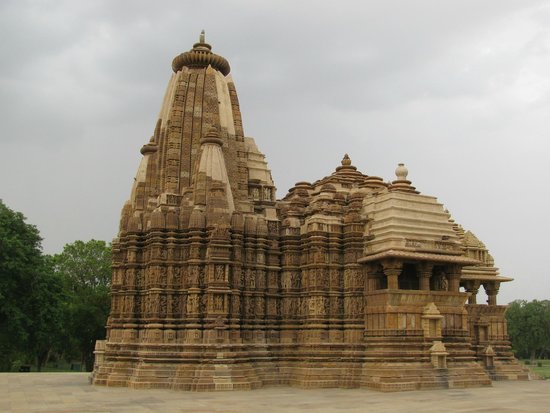
This Jain temple is the largest of the Eastern group of temples, and its walls are covered in finely detailed sculptures. The artistic combination of Hindu, Muslim, and Buddhist traditions is the most remarkable aspect of this temple’s architecture. One of the most beautiful features of the temple is the sculptures on the temple’s northern outside walls.

Dulhadev Temple

Next is Dulhadev Temple, which was built in 1130, housing striking sculptures of Apsaras and a remarkable Shiva lingam. The deities of Lord Shiva and his wife Parvati are also erected at the temple, showcasing the intricate design and craftsmanship of that era.

Devi Jagdamba Temple

Originally established as a Vishnu Temple, the Devi Jagdamba temple is now home to a beautiful sculpture of the Goddess of the Universe, hence the name. The image of Goddess Parvati together with Mithuna can also be found here. Surrounded by alluring gardens it is also worth visiting amid the group of temples at Khajuraho.

Adi Nath Temple

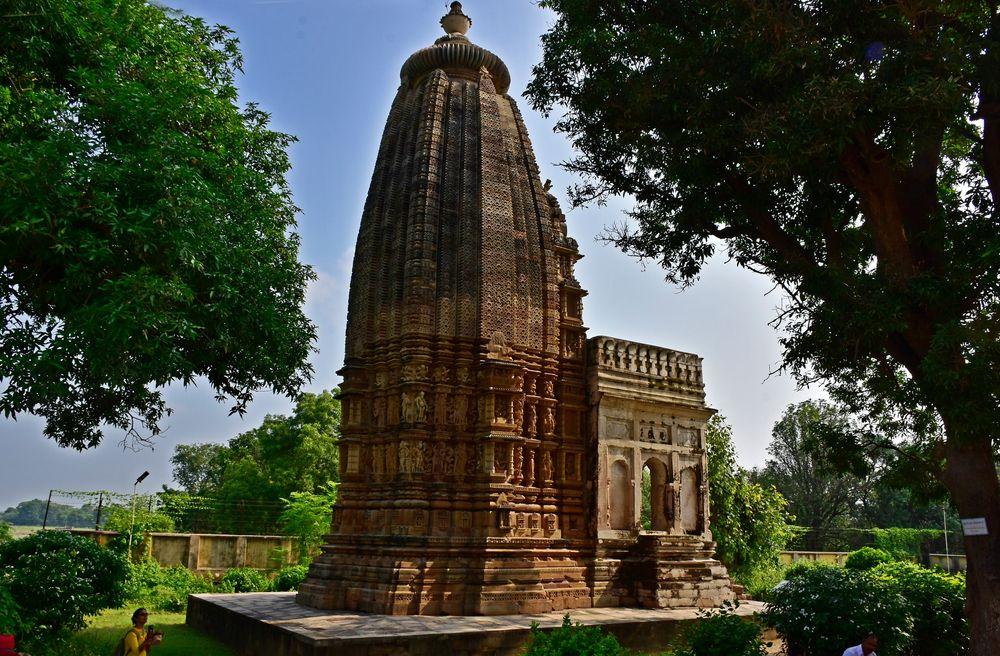
Located on the Eastern Group of Temples at Sevagram, this charming temple was built in the 11th century. One of the Jain temples, it was a tribute to a well-known Jain saint, Adinath. The intricate detailing on the sculptures and depictions of Yakshas is a fine example of the Indo-Aryan architectural style. One look at the temple surely transports one towards the land of wonder and

appreciation. Despite the fact that the structure is partly ruined, it still boasts beautiful sculptures worth seeing.

Javari Temple

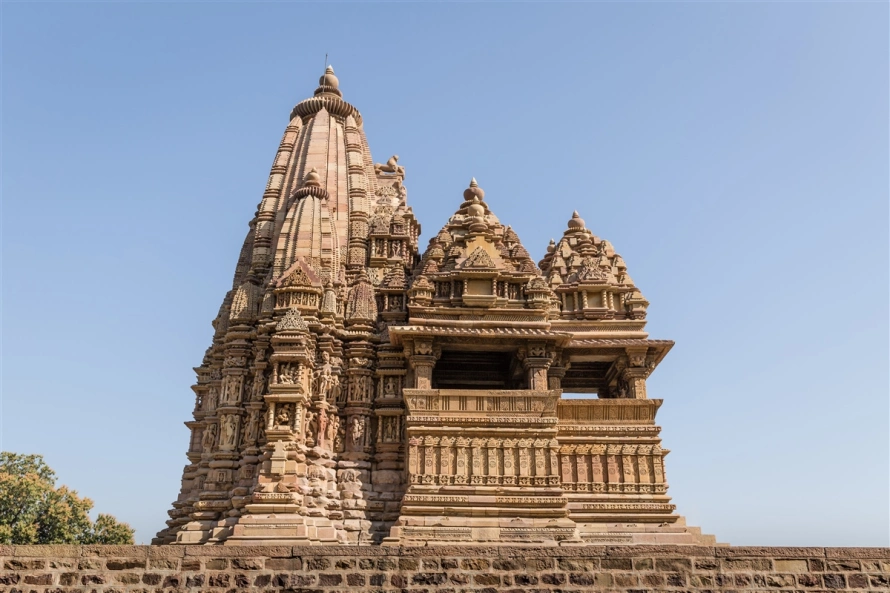
Another bold structure standing as a remnant of this region’s history, the Javari Temple also boasts stunning architecture and intricate sculptures. Part of the Eastern Group of Temples, it is dedicated to Lord Vishnu, highlighting some marvelous depictions of men and women in unique forms. The grandeur of the temple surely makes it one of the most captivating sites to visit in Khajuraho.

Beni Sagar Dam

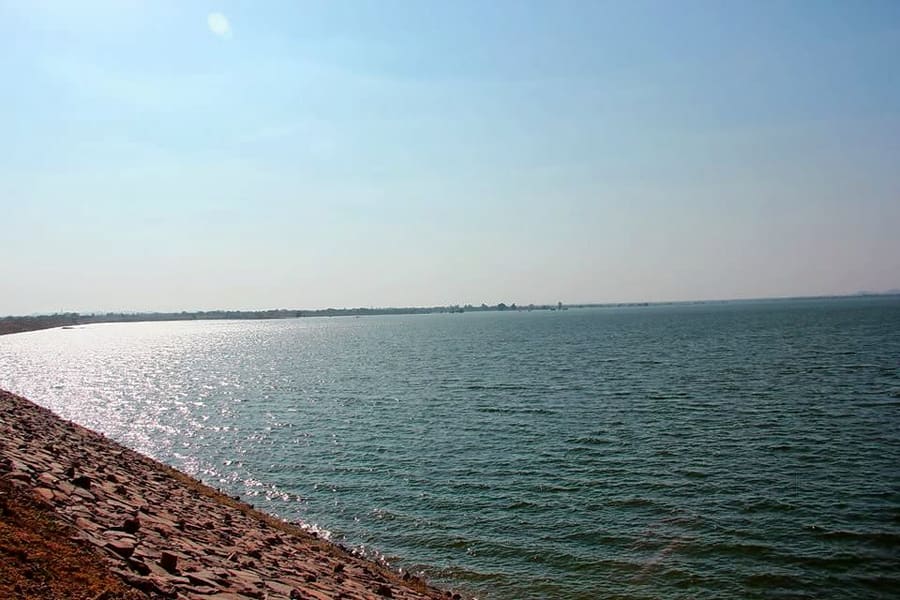
Located on the Khuddar River, the Beni Sagar Dam is one of the most popular tourist attractions in the city. Spread across 8 square kilometers, nature lovers as well as families visit the dam to spend a nice evening by the river. There are also some adventurous activities organized on the river that one can keenly indulge in. Apart from the calm surroundings, the dam is also blessed with lush flora that one can witness during their visit. Many also visit especially to witness the sunrise and sunset over the dam, which makes up for the most memorable pictures. The dam is open from 6 a.m. until 10 p.m. every day.

Activities Not to Be Missed in Khajuraho

Light and Sound Show at Khajuraho
Highlighting the history of the Khajuraho temples, a lively Light and Sound Show is organized at the western group of temples. Legendary actor Shri Amitabh Bachchan has narrated the show that informs you about the history, construction, facts, and myths surrounding this UNESCO World Heritage Site. The beginning itself gives you goosebumps as the lights sparkle on the majestic monuments during nighttime. It is best to check online or with the local authorities and book tickets online to enjoy the perfect seats for the evening show. Attending the live show adds to the experience of witnessing the beauty of these temples.
Khajuraho Dance Festival
To depict the true essence of India’s rich history and glorify the majestic architecture of the Khajuraho temples, the government started hosting the festival back in 1975. Every year, the week-long festival celebrates Indian art and dance forms, gathering dance lovers from all over the world. Built in the 10th century, the temples reflect aspects of everyday life in beautiful sculptures. However, slowly the 85 temples lost their charm and had to be brought back to life. Therefore, the festival is organized to highlight India’s glorious past and artistry. Dancers who have grown in traditional dance forms bless the stage with mesmerizing performances. Each dance form Mohiniyattam, Kathakali, Odissi, Kuchipudi, and Bharatnatyam, Manipuri are brought to life with the backdrop of the Khajuraho temples. Each ancient dance form is so unique depicting a different story through the expression of dance, that it leaves you enthralled. Therefore, if planning a trip to see the temples plan accordingly if you wish to witness these cultural dance performances organized every once a year.
Adivart Tribal and Folk Art Museum
Situated in Khajuraho’s Chandela Cultural Complex, the museum is an insightful peek into the folk art and tribals of Madhya Pradesh. Merely 600 metres from the western group of temples, the museum is home to over 500 tribal antiques, folk art, jewellery, terracotta items, metal crafts, and bamboo items. Every single piece showcases the local artists' cultural and ethnic sensibilities. The well known Karma or Kadamba tree, which is an intrinsic aspect of the Karam festival conducted during the rainy season, is one of the most eye-catching relics to see at the museum. Additionally, it also depicts the progression of diver forms, styles and designs throughout the years. You can also purchase some original paintings and prints
The temples are awe-inspiring, and the more you understand the facts, myths, and legends surrounding their construction, the more intriguing it gets. As each temple unravels new stories, you’ll discover more about the country than you ever imagined. Every single sculpture and intricate design has a purpose, meaning, and message hidden behind it. The artists have aesthetically expressed the nuances of the human body. Many over the years have tried to decipher the stories etched on the temple walls and understand the history of that dynasty. Khajuraho is surely a place that is worth detouring for if not already on your must-see list.

Excursions from the city

Panna National Park

One of India’s finest National Parks, Panna is the state’s fifth tiger reserve. Home to a plethora of flora and fauna, you can easily spot the jackal, nilgai, chinkara, sambar deer, and wild boar amidst others. Apart from animals, the park is also home to a variety of migratory birds that can be spotted by keeping a close eye. Merely 50 kms from the main city, the national park is best suited for nature lovers, adventure seekers, and hikers. The park opens at 6 am offering some breathtaking views of the forest and wildlife. There are also many places to enjoy an overnight stay in the wild. You can plan an early morning ride from the city, visit the national park and also see the well-known Pandav Falls which is also a favourite picnic spot among the locals. According to Indian mythological stories, the Pandavas from Mahabharata spent time in caves located at the bottom of the waterfall. It can easily fit your itinerary while exploring more around the city.

Raneh Falls

Another majestic waterfall in the area is the Raneh Falls over the Ken River. Just about 30 kms from the main city, the falls are a collection of tiny and large waterfalls emerging from a beautiful gorge. The river forms a 30-foot-deep canyon of crystalline granite, showcasing shades of red, pink, and grey. The sun shining through the splashing water makes for a sight straight out of a painting. Located in the Chhatarpur district of Madhya Pradesh, the falls make for an easy day trip from the city.

Ajaygarh Fort

Another architectural marvel from the Chandela Dynasty, this fort is best suited for history lovers and fact seekers. Located in the Panna region of the state, it takes about four to five hours to reach the fort from Khajuraho city. The fort’s story and architecture offer unique insights into medieval India. Set in the backdrop of the Vindhya range, the fort served as the capital of the Chandela Dynasty during the last few years of their reign. You can only access the fort after climbing 500 steps.

Mouthwatering Meals of Khajuraho

Madhya Pradesh is known for its unique touch to Indian  flavours with a regional touch in all dishes. You must try the simple delicacies like Korma, Rogan Josh, Mutton Kebabs, Chicken Biryani, Kheema, Sabudana Khichdi, Moong Dal Halwa, Jalebi, Cashew Barfi, Kusli, Lavang Lata, among others. The locals also create a dish called Bafla, a whole wheat grain dish made with purified butter that is served with sweet ladoos. There are special shops offering numerous varieties of Lassi that one must surely try when in Khajuraho. Apart from these regional dishes many restaurants also serve international cuisines catering to foreign tourists.

Shopping at Khajuraho

Just like the unique temples in Khajuraho, there are also some local handicrafts and jewellery that stand out for their authenticity. From local handicrafts, handmade jewellery, clothing, and even silverware, you can buy to your heart’s content, as there are some genuine local shops offering good quality products. For jewellery, you can go near the Gandhi Square on Jain Temple Road and buy bracelets, nose rings, earrings, or pendants. This chunk jewellery goes well with Western or traditional outfits. For vintage handicrafts, you can buy heritage paintings, copper artefacts, and artifacts among others. Khajuraho is also known for its silverware, which is sold at Rajnagar.

Just about 5 kms from the main city, the local craftsmen create unique pieces without any use of machinery. Every single piece stands out for its creativity and craftsmanship. If the temple sculptures left you deeply fascinated, you can also buy small souvenirs for back home. There are many miniature replicas of the temples and art sold at minimal prices in the local shops. Surely pick a memoir as you travel back with some new memories from this state.

When to visit Khajuraho

It is difficult to experience the temples in the scorching heat season, as it gets very warm; therefore, the best time to visit is from October to February during winter. The weather is perfect to see the intricate carvings outdoors and also visit the museums. Unlike the summer and monsoon seasons, when the weather is either too humid or warm to step out comfortably. If you still come around that time, it is best to carry cotton clothes and umbrellas while visiting the temples.

How to reach Khajuraho

The Khajuraho Airport connects the temples to the rest of India, especially cities like New Delhi, Bhopal, and Mumbai, etc. Regular connecting flights from domestic carriers like Air India, IndiGo, etc., serve the airport of Khajuraho. There are also regular bus and rail services from cities like Bhopal, Indore, and New Delhi, which are the major junctions up north. Further the local taxis and cab make your commute easier.

Want To find out more about Our Popular Tours ?

Get in touch one of our destination specialists.

Other Popular Tourist Places

Discover more of India’s fascinating destinations, each offering a unique blend of history, culture, nature, cuisine, and unforgettable experiences. From vibrant cities and heritage landmarks to serene landscapes and charming towns, explore more places that add memorable moments to your journey.