
Approved by the Ministry of Tourism, Government of India – Reg. No. : 270620263672
The westernmost state of the country, bordering Pakistan, Gujarat has a varied landscape ranging from the forests of Gir to the hills of Diu and the white salt desert of Kutch. With a splash of colour and culture around every corner, Gujarat is an ideal place to witness why India is called “Incredible India.” With a coastline stretching over 1,600 km, the state offers numerous experiences across culture, nature, art, wildlife, history, and religion. From the splendid beaches of Diu to the historical gems of Lothal and Porbandar, the Asiatic lions and blackbucks of the Saurashtra region, and the beautiful temples of Vadodara, Gujarat is a fascinating holiday destination for explorers.
The westernmost state of the country, bordering Pakistan, Gujarat has a varied landscape ranging from the forests of Gir to the hills of Diu and the white salt desert of Kutch. With a splash of colour and culture around every corner, Gujarat is an ideal place to witness why India is called “Incredible India.” With a coastline stretching over 1,600 km, the state offers numerous experiences across culture, nature, art, wildlife, history, and religion. From the splendid beaches of Diu to the historical gems of Lothal and Porbandar, the Asiatic lions and blackbucks of the Saurashtra region, and the beautiful temples of Vadodara, Gujarat is a fascinating holiday destination for explorers. The state’s travel motto, “Aavo Padharo,” translates to a warm invitation to come and experience Gujarat. As the birthplace of the iconic Mahatma Gandhi, the state is immensely popular among domestic and international travellers for its natural beauty, cultural heritage, and vibrant festivals. Cities and destinations such as Vadodara, Ahmedabad, Diu, Dwarka, and Saputara have gradually made their mark on India’s travel map. While Ahmedabad has developed into a major metropolitan hub, destinations such as Kutch, Dholavira, and Bhuj are important centres of local culture and heritage. One of the best times to visit Gujarat is during the Navratri festival, which usually takes place in September or October each year. Here is a look at the major attractions in the state, helping you decide what you should not miss while travelling to Gujarat.
Located on the banks of Sabarmati River, the growing city was once the capital of the state before it was shifted to Gandhinagar. Parts of the city have been titled a UNESCO Heritage Site due to their historic value. The town offers scrumptious food and a perfect glimpse of the lifestyle of people in the state. It is also home to many temples, museums and regional markets that are known for their textiles and Bandhani handloom/textile technique. t is one of the best places to shop for local handicrafts.
Located on the banks of the Sabarmati River, Ahmedabad is a growing city that once served as the capital of Gujarat before the capital was shifted to Gandhinagar. Parts of the city have been designated as a UNESCO World Heritage Site because of their historical and cultural significance. The city offers scrumptious food and provides a perfect glimpse into the lifestyle and culture of the people of Gujarat. It is also home to numerous temples, museums, and regional markets known for their textiles and traditional bandhani handloom techniques. These markets are among the best places to shop for local handicrafts and traditional textiles. The city has developed into a major commercial hub while retaining its old-fashioned charm and colonial heritage. Many visitors also come to see the Sabarmati Ashram, located on the banks of the Sabarmati River. It was established by Mahatma Gandhi after his return from South Africa and became his home for many years. The historic Dandi March also began from here. Today, the ashram serves as a museum displaying the belongings of Bapu, as Mahatma Gandhi was fondly known. A visit to this iconic place offers an opportunity to learn more about his life, philosophy, and teachings.
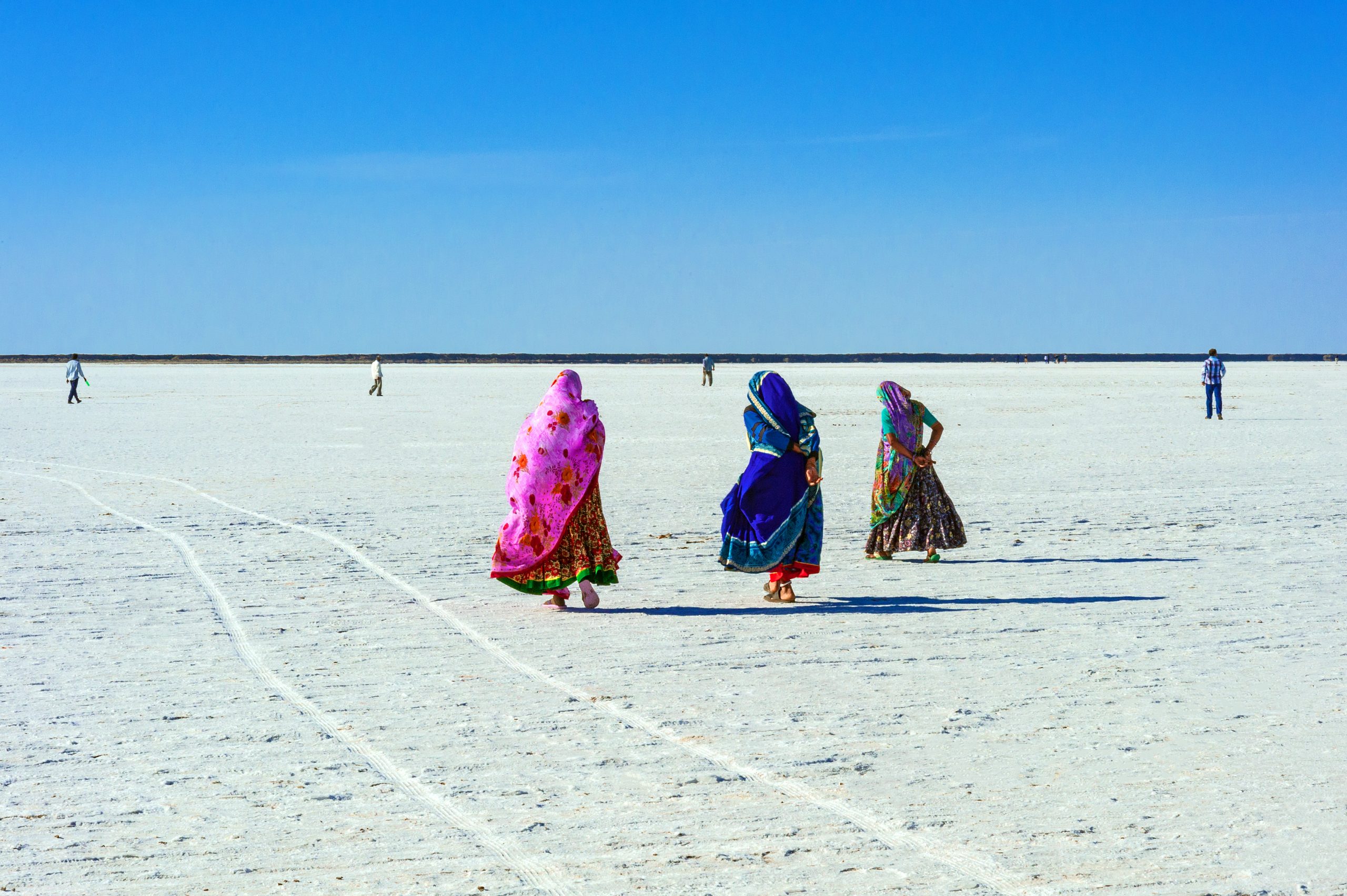
One of the most surreal places to witness in India, the Kutch region is known for its picturesque landscapes and is on every traveller’s wishlist. Its architectural splendour, natural beauty, and cultural abundance attract visitors from all over the world to this gem of Gujarat. Located near the India–Pakistan border, there are several areas from where visitors can view the neighbouring country. The region is best experienced between November and February, during the winter months, when the pleasant weather and moonlit landscapes add to the beauty and charm of this unique destination.
One of the most surreal places to witness in India, the Kutch region is known for its picturesque landscapes and is on every traveller’s wishlist. Its architectural splendour, natural beauty, and cultural abundance attract visitors from across the country and beyond to this gem of Gujarat. Located near the India–Pakistan border, there are several areas from where you can view the neighbouring country. The region is best experienced between November and February, during the winter months, when the moonlight reflects on the white salt desert, creating majestic views. The famed Rann Utsav is also held during this period, showcasing the region’s magnificent culture, art, music, and traditions. Its pristine and untouched beauty has also made it an iconic location for several Bollywood films. Although the region has a relatively low population density, it is famous for its traditional crafts, embroidery, flamingo habitats, and wildlife sanctuaries, including those known for the Indian wild ass. Nearby destinations such as Bhuj and Dholavira are also worth adding to your itinerary. When in Kutch, you can also enjoy a stay in one of the Banni villages, where local communities are known for their traditional handicrafts and embroidery. A few resorts in the region also offer unique experiences that allow visitors to explore the culture, lifestyle, and natural beauty of Kutch.
This desert city has a vibrant history dating back to the reign of various kingdoms and empires, including the Naga chiefs, the Jadeja Rajputs, the Gujarat Sultanate, and later the British Raj. Bhuj offers a deep dive into the region’s rich history through its archaeological discoveries, ancient remains, and sites associated with historical events and local legends. Some of these important sites and artefacts have been preserved and converted into museums, allowing visitors to explore and better understand the fascinating history and cultural heritage of the region.
This desert city has a vibrant history dating back to the reign of various kingdoms and empires, including the Naga chiefs, Jadeja Rajputs, Gujarat Sultans, and later the British Raj. Bhuj offers a deep dive into the various civilisations and historical events of South Asia through its archaeological finds, remains associated with the Indus Valley Civilisation, and places connected with the epic tales of the Mahabharata and Alexander’s historic march into India. Some of these important sites and artefacts have been preserved in museums, allowing visitors to carefully explore and understand the history of the region. Must-visit attractions include the 2,000-year-old Kshatrapa inscription at the Kutch Museum, the Mirror Hall of Aina Mahal, Prag Mahal and its Clock Tower, Ramkund Stepwell, and the beautiful Hamirsar Lake. Bhuj also serves as a major base for visitors travelling to the Rann of Kutch, especially during the famous Rann Utsav, as many travellers arrive here before continuing their journey to the spectacular desert region.
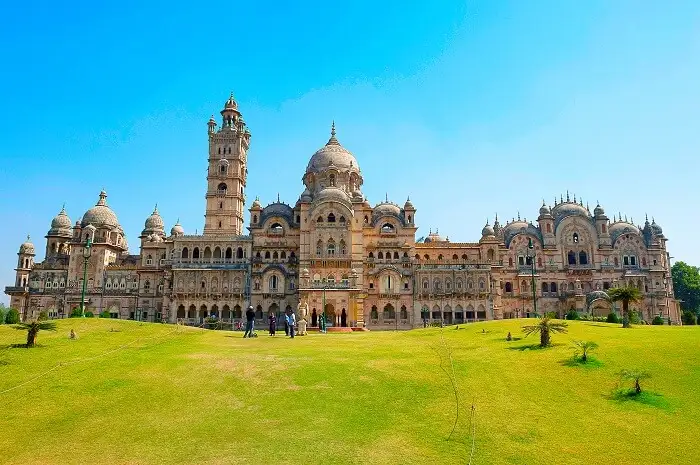
This historic city is known as the cultural centre of Gujarat because of its vibrant festivals and rich heritage. Maharaja Sayajirao Gaekwad III, a prominent ruler of the Gaekwad dynasty, played an important role in transforming the city into a centre for education, industry, and commerce. Under his patronage, several remarkable architectural landmarks were built. The city is home to majestic monuments such as the Laxmi Vilas Palace. From magnificent palaces and museums to beautiful gardens and historic landmarks, Vadodara is an ideal destination to experience the essence of Gujarat. Some of the popular places to visit include Laxmi Vilas Palace, museums, art galleries, and other architectural attractions.
This historic city is known as the cultural centre of Gujarat because of its vibrant festivals and rich heritage. Maharaja Sayajirao Gaekwad III, a prominent ruler of the Gaekwad dynasty, played an important role in transforming the city into a centre for education, industry, and commerce. Under his patronage, several remarkable architectural landmarks were developed. The city is home to majestic monuments such as the Laxmi Vilas Palace. From magnificent palaces and museums to beautiful gardens and historic landmarks, Vadodara is an ideal destination to experience the essence of Gujarat. Some of the popular places to visit include Laxmi Vilas Palace, Sayaji Baug, Champaner Archaeological Park, Ajwa-Nimeta Garden, and the Vadodara Museum and Picture Gallery.
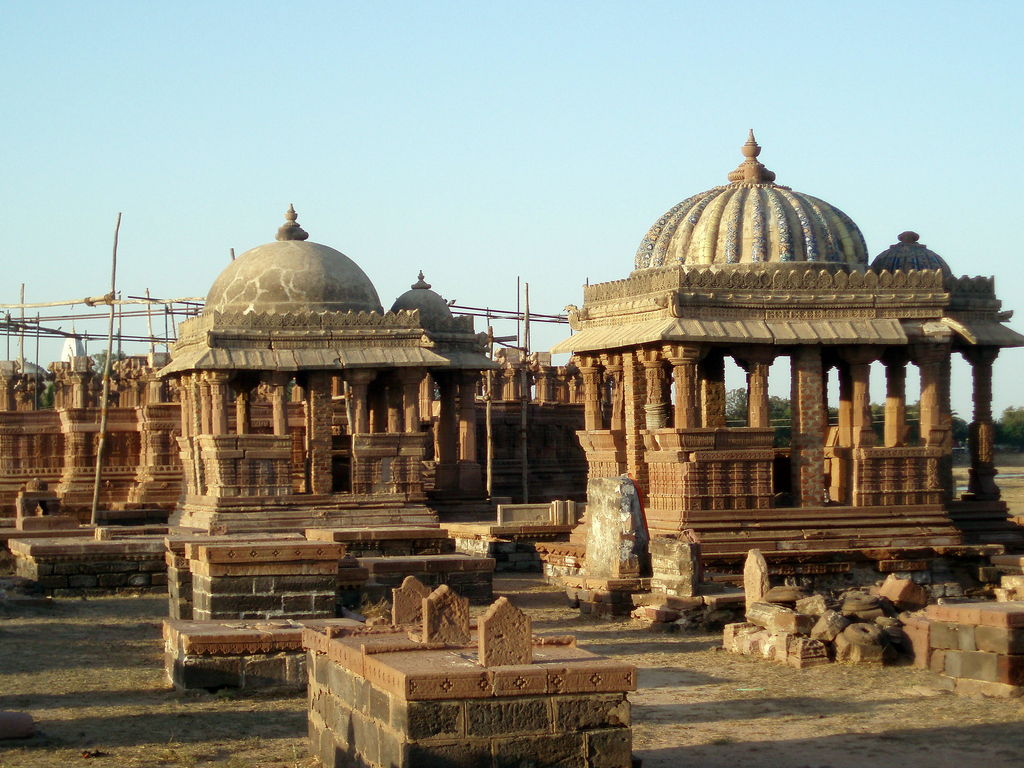
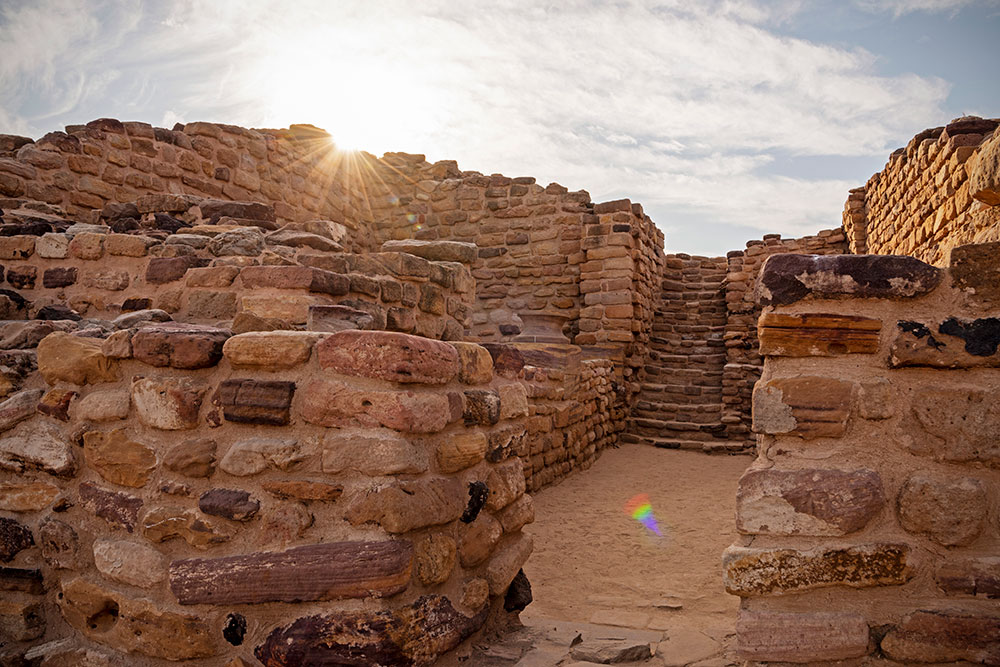
This southern centre of the Harappan Civilisation, situated on an arid island in Gujarat, is a fascinating site for studying ancient urban history. The ancient city of Dholavira, which was occupied between approximately 3000 and 1500 BCE, is one of the best-preserved urban settlements of the Indus Valley Civilisation. The site consists of a fortified city and a cemetery. At the time, two seasonal streams provided water to this walled city, which was marked by a heavily fortified citadel, ceremonial grounds, and a well-planned network of streets.
This southern centre of Harappan Civilization situated on an arid island in Gujarat is a beautiful site to study the history of human evolution. The ancient city of Dhola Vira which was occupied between 3000 and 1500 BCE is one of the best surviving urban settlements from the time period in Southeast Asia, consists of a fortified city and a cemetery. At that time two seasonal streams provided water to this walled city which is marked by a heavily guarded fortress and ceremonial grounds as well as streets and homes of varying percentage quality, indicating a stratified socioeconomic hierarchy in the region. People are drawn to Dholavira because it offers a glimpse into the pioneering Harappan mentality, complete with the world's best water conservation system, first signboards, and ancient Indus characters. The region was discovered in 1967 by archaeologists from the Archaeological Survey of India (ASI). Terracotta ceramics, beads, gold and copper ornaments, seals, fish hooks, animal figures, tools, urns, and vessels, all of which show trade contacts with other lands, were also discovered. All of these artefacts and articles are now on display in the museum near the city's entrance. All the findings reveal interesting facts about inter-regional trade with other Harappan cities, as well as cities in Mesopotamia and the Oman Peninsula. History lovers will find this place to be an insightful way to add more knowledge to their learnings.
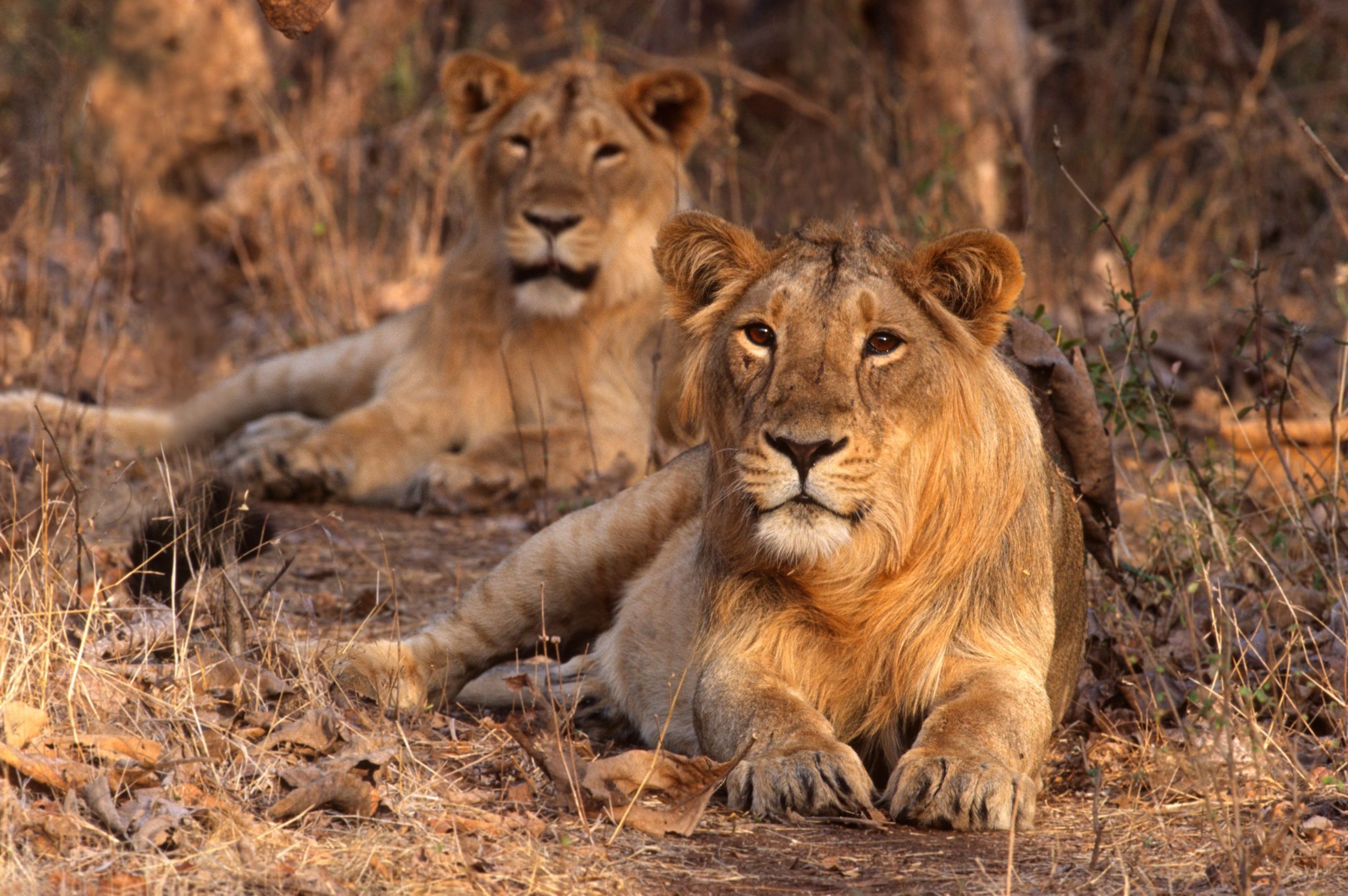
Adventure lovers should definitely add Gir National Park to their list of places to explore. The sanctuary is part of a dry deciduous forest region and is home to the iconic Asiatic lions. Regional authorities have played a crucial role in protecting and conserving the area, while efforts to protect these lions were initially supported by the Nawab of Junagadh. The park’s unique terrain consists of hills, plateaus, high ridges, and sections of several important rivers, including the Datardi, Hiran, and Raval, among others. Its diverse landscape and rich wildlife make Gir National Park a fascinating destination for nature and adventure enthusiasts.
Adventure lovers should definitely add Gir National Park to their list of places to explore. The sanctuary lies within a dry deciduous forest region and is home to the iconic Asiatic lions. The regional authorities have played a crucial role in maintaining and conserving the area. The protection of these lions was initially supported by the Nawab of Junagadh. The park’s unique terrain consists of hills, plateaus, high ridges, and sections of several important rivers in the region, including the Datardi, Hiran, and Raval, among others. It is home to a rich variety of flora and fauna, making it one of the top wildlife destinations in Gujarat. Other important animal species found here include leopards, four-horned antelopes (chausingha), spotted deer, hyenas, sambar deer, and chinkara. Gir National Park and the surrounding wildlife sanctuary form the last natural habitat of the Asiatic lion. Visitors can enjoy a lion safari at the Gir Interpretation Zone and visit the crocodile breeding centre to observe these fascinating reptiles up close. Local handicrafts and souvenirs can also be purchased from shops around the park. If you visit around 15 days after Holi, you may also have the opportunity to experience local celebrations featuring the folk dances and cuisine of communities such as the Maldharis and Siddis.
Like every other state, Gujarat’s vibrancy lies in its places, traditions, and culture, which can be truly experienced through its colourful festivals. One of the biggest and most widely celebrated festivals across the state is Navratri. Families and friends come together to dance and celebrate late into the night. This nine-day festival is dedicated to the worship of Goddess Durga and her various forms. The celebrations are marked by energetic Garba and Dandiya Raas performances, lively music, exciting competitions, flea markets, exhibitions, delicious food, and crowds dressed in beautifully vibrant traditional attire. As mentioned earlier, the Rann Utsav, held in the spectacular Rann of Kutch, is another grand celebration that showcases the region's rich culture, traditional music, folk dances, handicrafts, cuisine, and breathtaking natural beauty in all its glory.
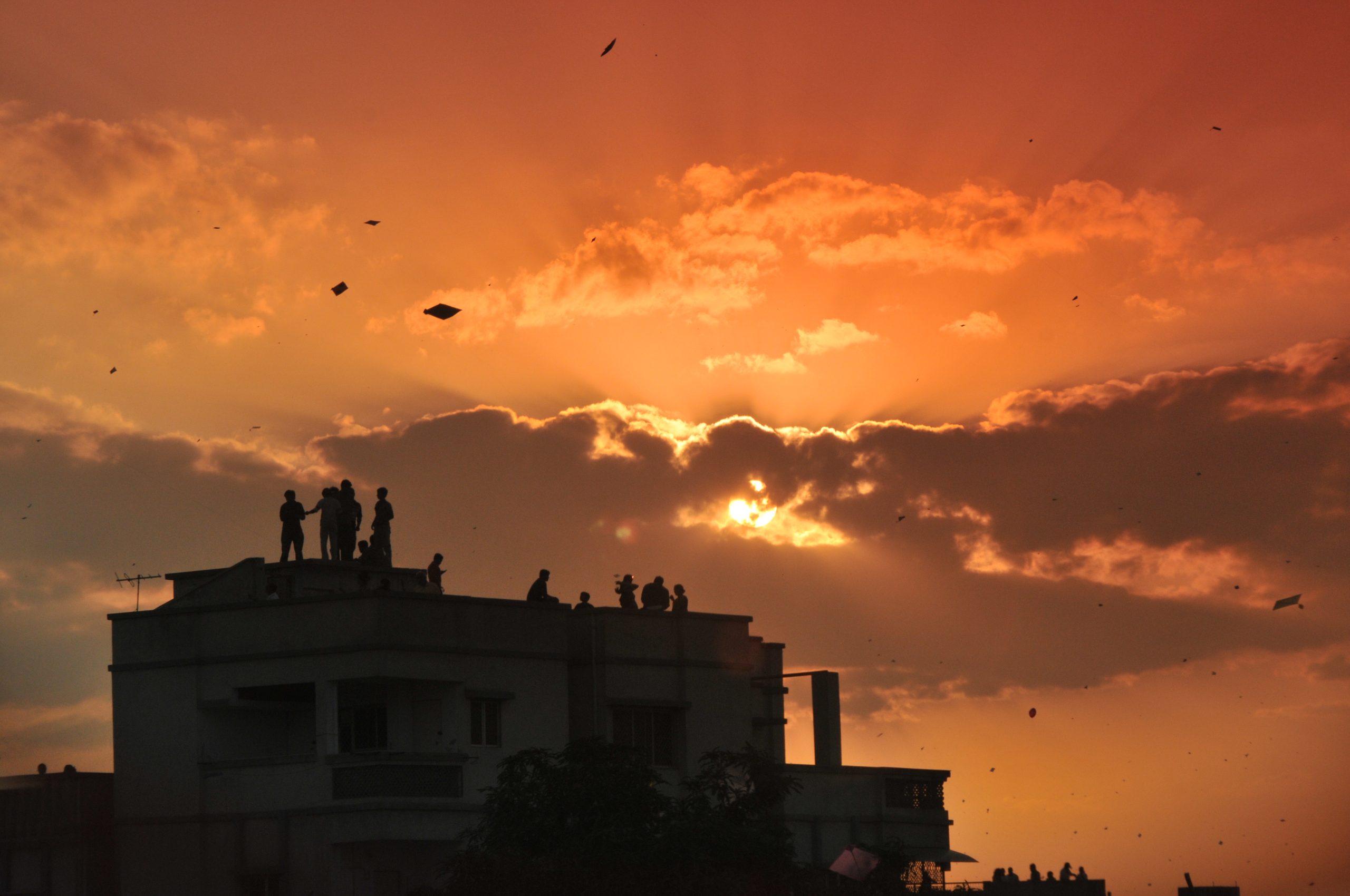
Like every other state, Gujarat’s vibrancy lies in its places and culture, which can be truly experienced through its festivals. One of the biggest festivals celebrated across the state is Navratri. Families and friends come together to dance and celebrate late into the night. The nine-day festival is dedicated to Goddess Durga, who is worshipped in her various forms. Lively music, exciting competitions, flea markets and exhibitions, delicious food, and beautifully dressed crowds are all part of the vibrant Navratri celebrations in Gujarat. As mentioned above, Rann Utsav, held in the Rann of Kutch, is an extravagant festival that showcases the region in all its glory. Exciting music, authentic handmade crafts, Bandhani sarees, and traditional ornaments can be experienced against the dazzling white sands. The festival is a beautiful reflection of Gujarat’s folk culture. Visitors can sleep in desert tents, enjoy delicious Gujarati cuisine, and experience the unique charm of the Rann. Then there is Uttarayan, or the Kite Festival, when the sky is filled with colourful kites of all shapes and sizes, creating a spectacular sight. Being closely associated with the birthplace of Lord Krishna, Janmashtami is also celebrated across Gujarat with great zeal and enthusiasm.
A wide range of handmade products showcasing the intricate artistry of Gujarat are not only popular across India but are also renowned around the world. These traditional crafts include furniture, jewellery, embroidery, leatherwork, metalwork, clay products, and mirror work, each reflecting the state’s rich cultural heritage and craftsmanship.
Gujarat is also known for producing beautifully designed home furnishings, including quilts, comforters, pillowcases, and placemats, featuring vibrant colours and intricate patterns. Traditional textiles are another highlight, with skilled artisans creating finely detailed designs and embroidery. Patola sarees, in particular, are renowned for their intricate patterns, vibrant colours, and meticulous weaving techniques, making them highly prized among craft and textile enthusiasts.
A wide range of handmade products showcasing the intricate artistry of Gujarat are not only popular across India but are also renowned around the world. These traditional crafts include furniture, jewellery, embroidery, leatherwork, metalwork, clay products, and mirror work, each reflecting the state’s rich cultural heritage and craftsmanship.
Gujarat is also known for producing beautifully designed home furnishings, including quilts, comforters, pillowcases, and placemats, featuring vibrant colours and intricate patterns. Traditional textiles are another highlight, with skilled artisans creating finely detailed designs and embroidery. Patola sarees, in particular, are renowned for their intricate patterns, vibrant colours, and meticulous weaving techniques, making them highly prized among craft and textile enthusiasts.
The best time to visit Gujarat is during the winter months, from October to February, when the weather is pleasant and comfortable for sightseeing and outdoor activities. The monsoon season, from July to September, can also be a good time to visit, particularly for exploring Gujarat’s greener landscapes and nature reserves.
During the summer months, from March to June, temperatures can become extremely high, making it challenging to explore many attractions comfortably. However, travellers can still visit hill stations, nature reserves, and other cooler destinations that offer some respite from the scorching summer heat.
The state is well connected to other major cities, states, and transportation hubs across India. Gujarat has several airports, with Sardar Vallabhbhai Patel International Airport in Ahmedabad providing excellent connectivity to major metropolitan cities and international destinations.
Gujarat is also well connected by rail, with regular trains operating to and from major cities such as Delhi, Uttar Pradesh, and Punjab. Some of the busiest railway stations are located in Ahmedabad, Surat, Rajkot, and Vadodara.
For road travel, travellers can choose from local buses, intercity services, and comfortable Volvo coaches. If you enjoy road trips, Gujarat’s well-maintained two-lane and four-lane highways offer a convenient and scenic way to explore the state.
Discover more of India’s fascinating destinations, each offering a unique blend of history, culture, nature, cuisine, and unforgettable experiences. From vibrant cities and heritage landmarks to serene landscapes and charming towns, explore more places that add memorable moments to your journey.
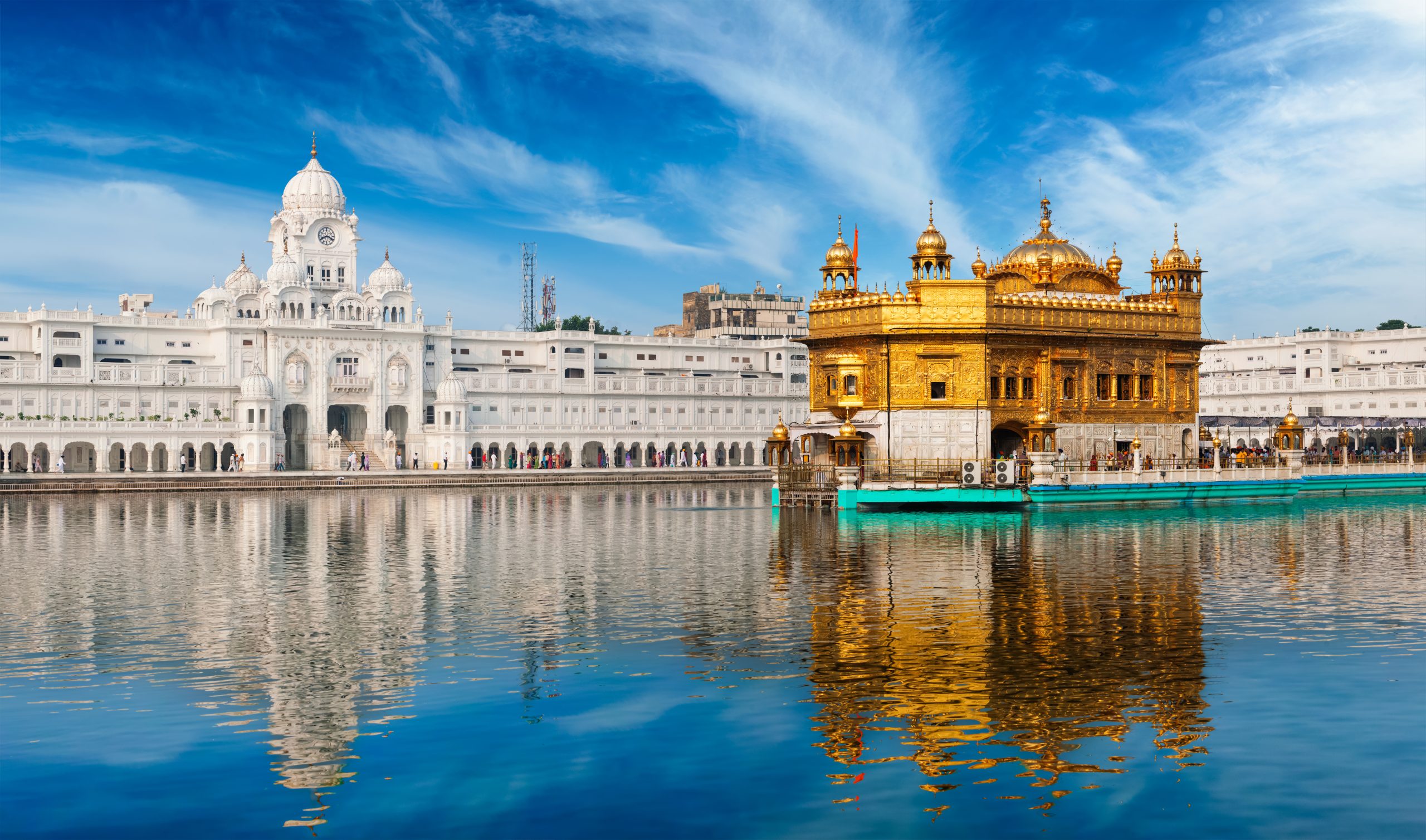
Beautifully representing India’s partition history, northern cultural traditions and delectable cuisines, one should explore Amritsar
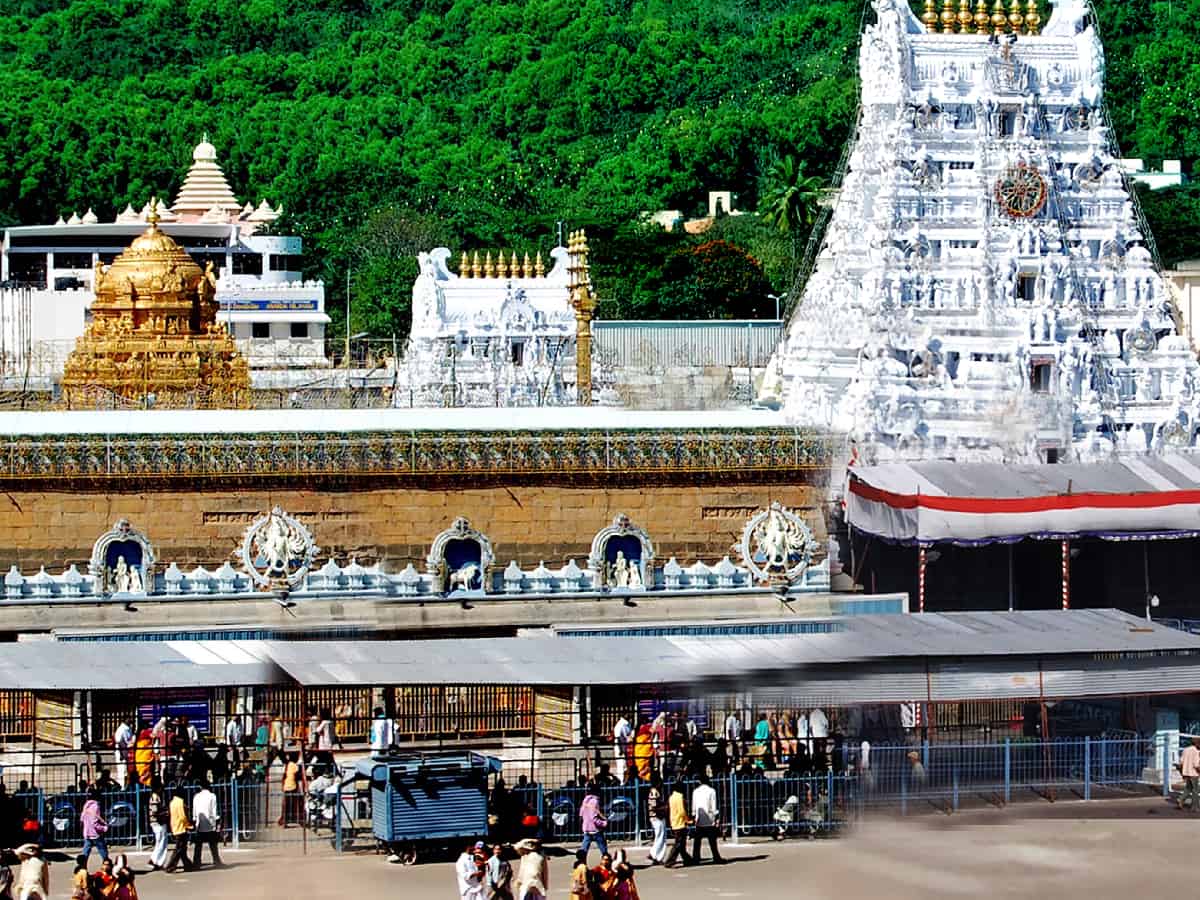
Overlooked by many, Andhra Pradesh is one of India’s most diverse states, home to some underappreciated treasures that can add
India’s northern region is blessed with the mighty Himalayan range, but only as you explore the states you realize that even the
Telangana is a state in southern India. In the capital of Hyderabad, the Charminar is a 16th-century mosque with 4 arches supporting 4 towering minarets
No better title than ‘One State Many Worlds’ to describe the plethora of experiences that this state has to offer. This ancient yet
Titled as ‘Paradise on Earth’, Kashmir offers magnificent beauty that not only leaves one speechless but turns every soul into a
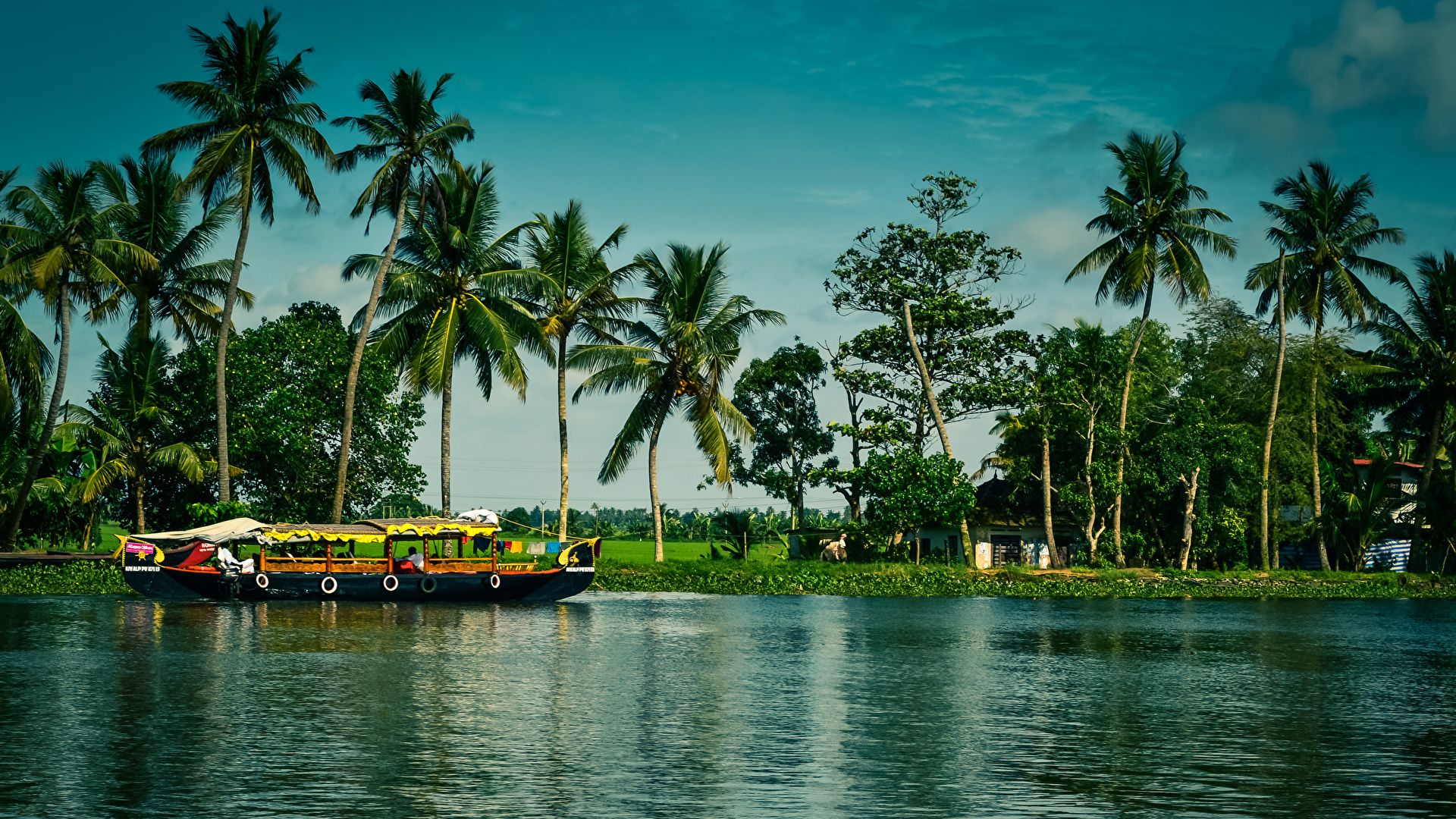
God’s own country, Kerala, is such an enticing destination in terms of an experience that one wonders what to add and what to skip
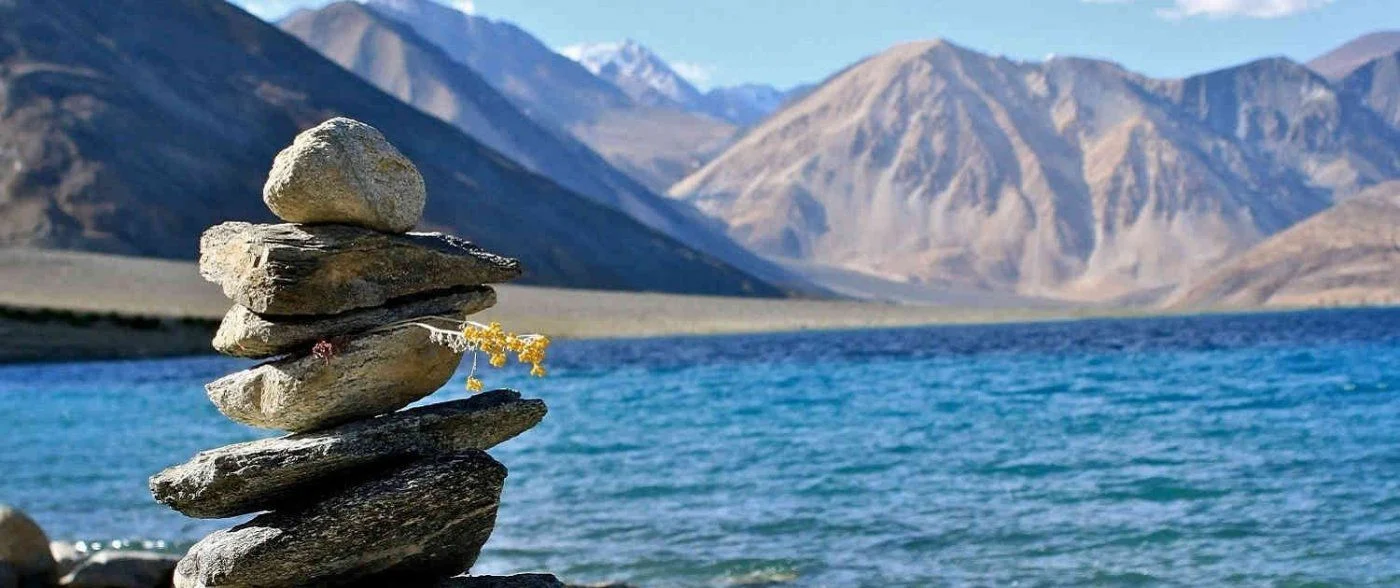
Redefining what breathtaking beauty truly means, Ladakh offers the most stunning views of the Himalayan wilderness, stretching
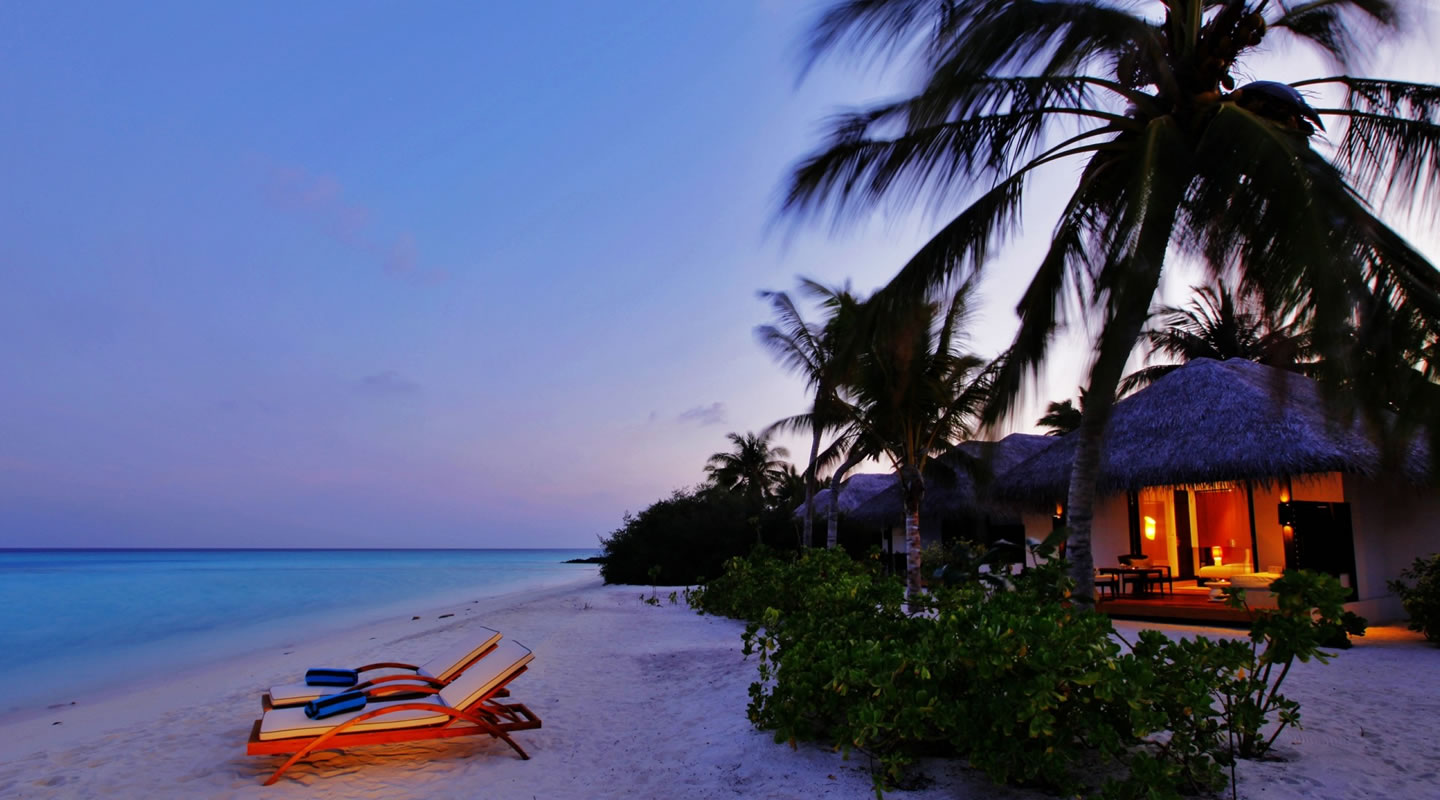
A beautiful set of islands set on the eastern coast of Arabian Sea come together to form India’s smallest union territory, Lakshadweep
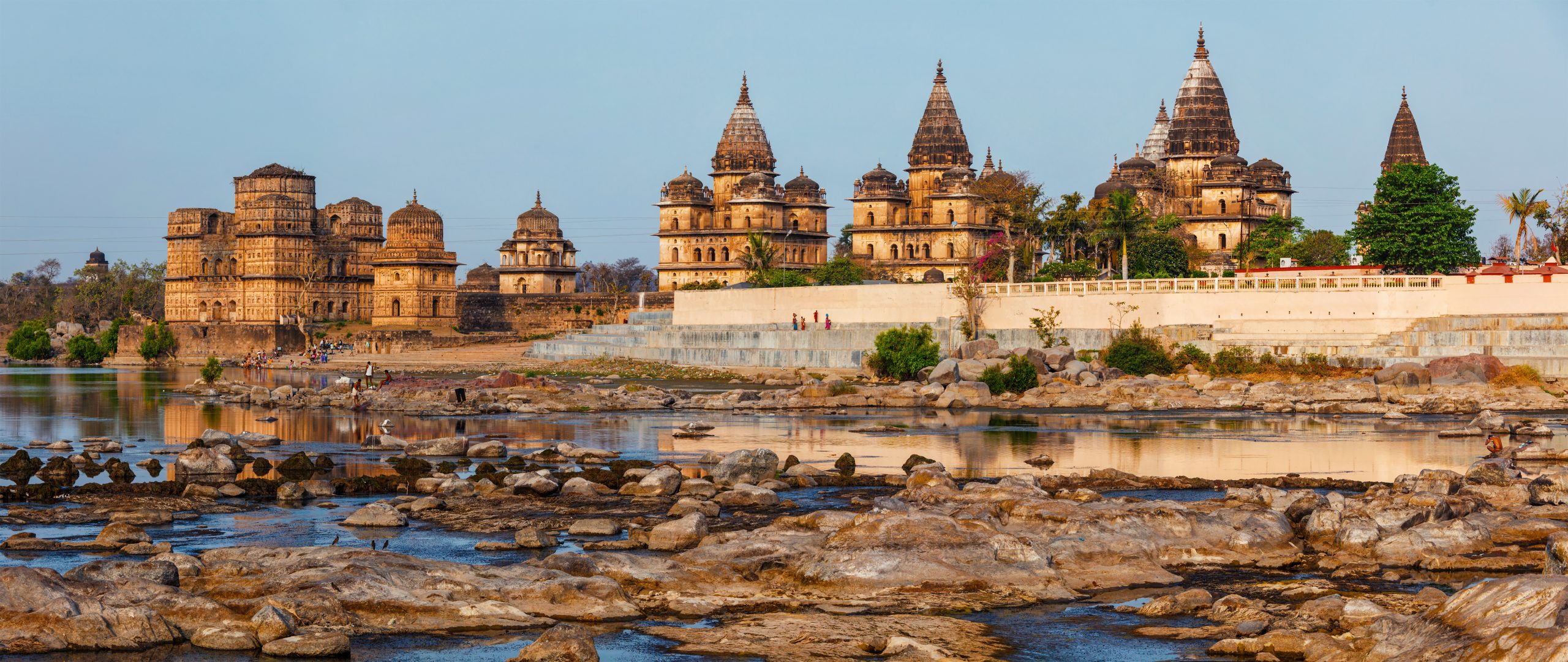
Known to be the heart of India, Madhya Pradesh offers a bouquet of cultural experiences topped with the sparkle of unique landscapes
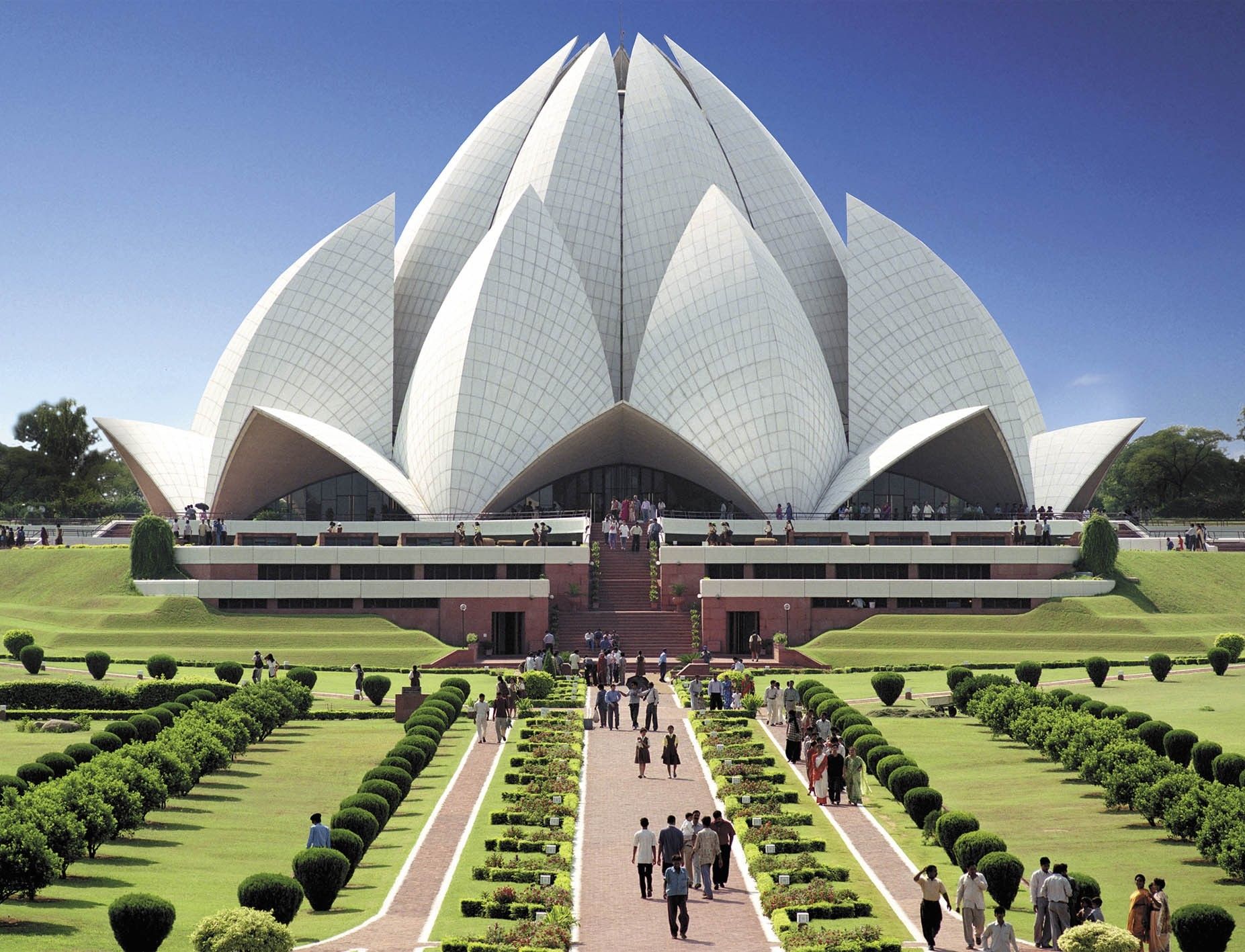
Delhi, the city of garden and park, is the capital and union territory of India. It constitutes two quite distinctive worlds, New Delhi and
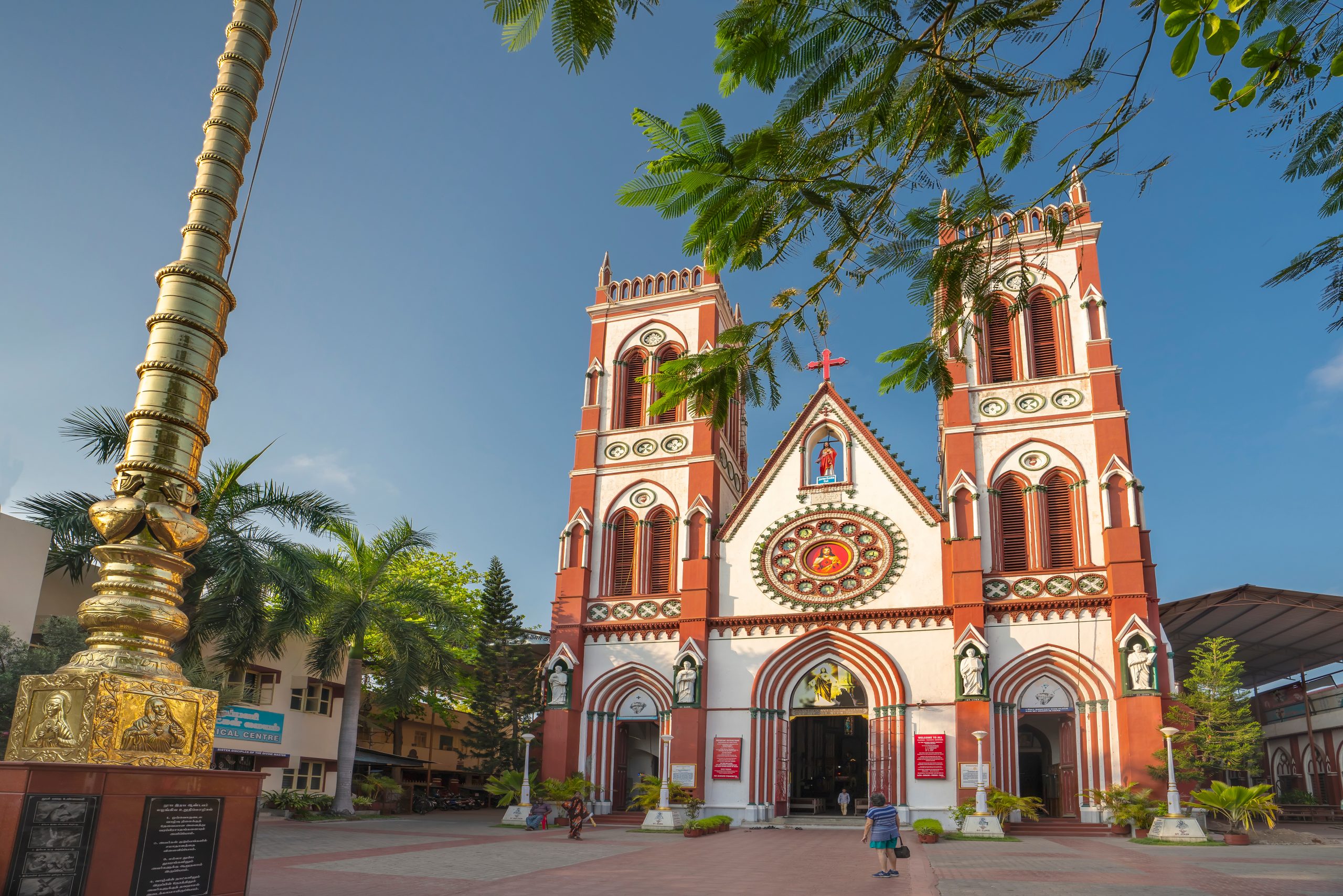
A reminiscent of French culture and architecture, this small town near Chennai is one of Tamil Nadu’s top destinations among travellers.
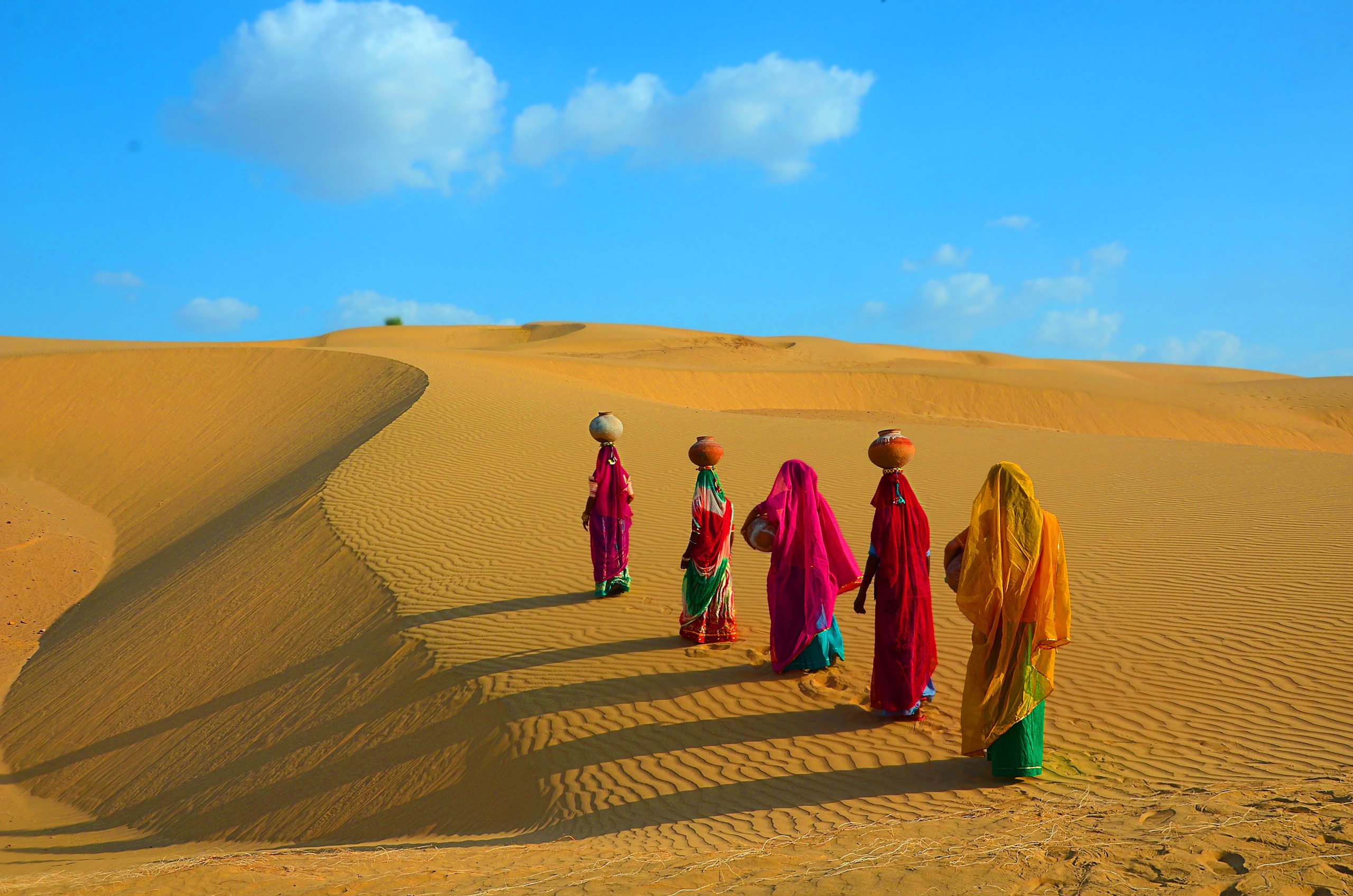
This incredible state of India, said to be the Land of Kings offers great history, vibrant culture, prolific wildlife and amazing hospitality.
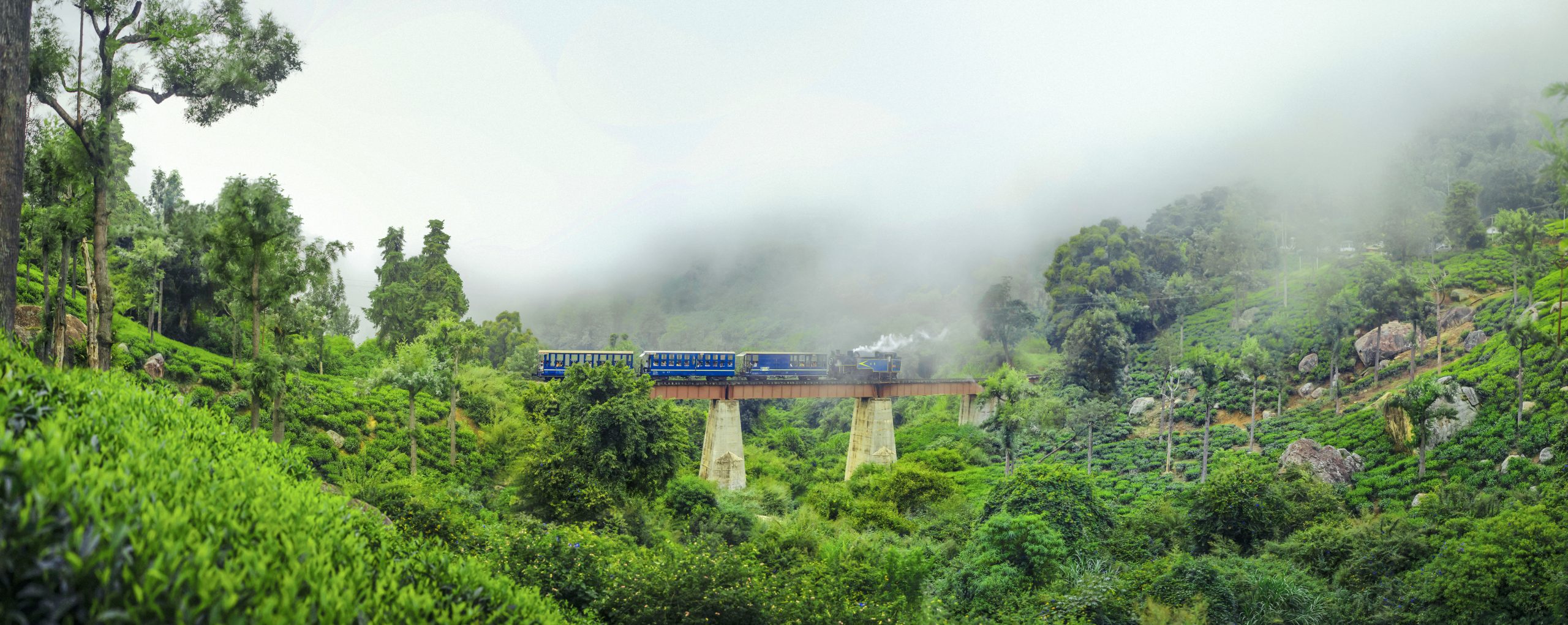
India, known for its cultural beauty, surprises you through every state, city, district, corner. One such gem showcasing the diversity of South India
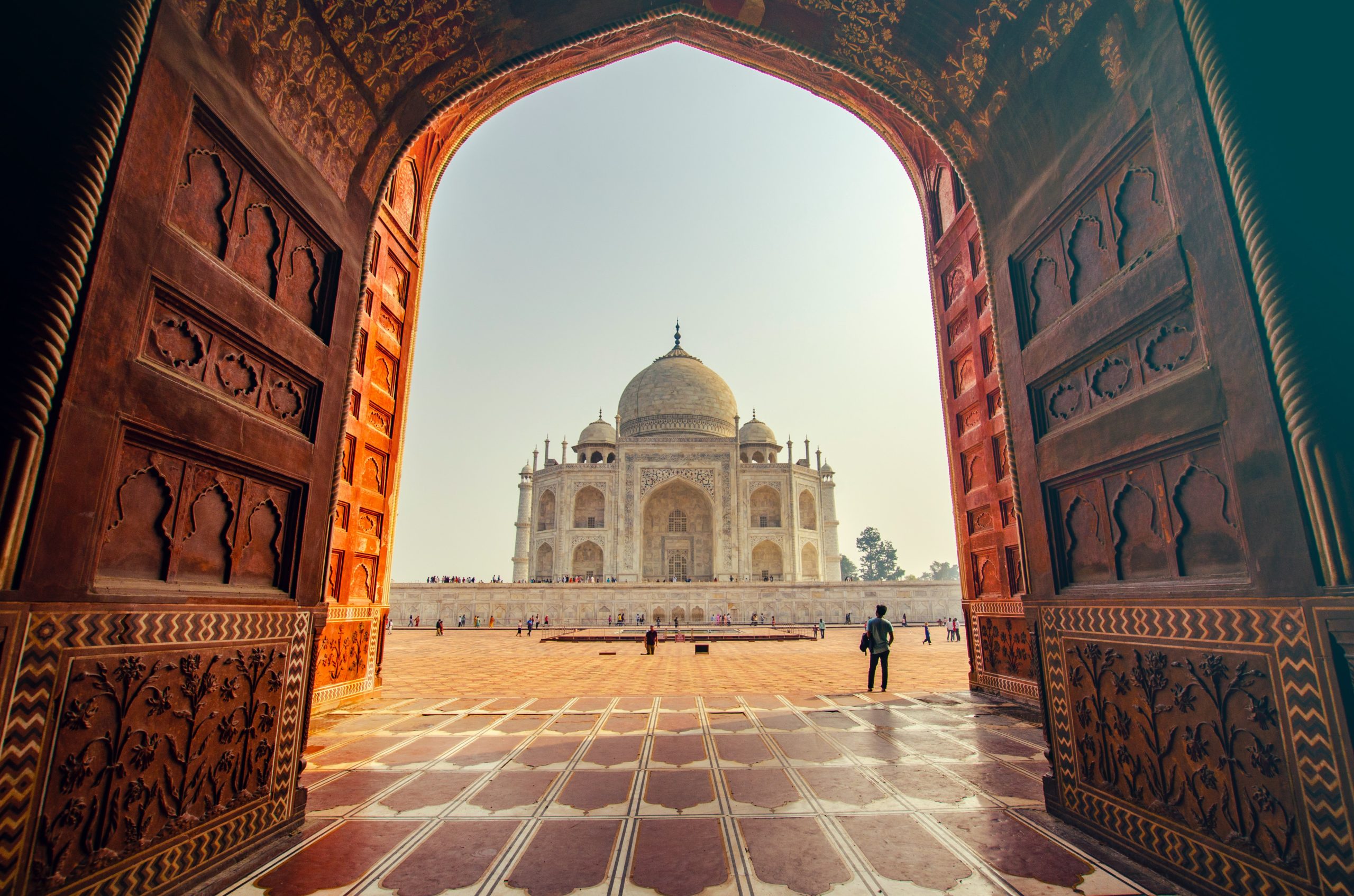
Situated right in the centre of India, Uttar Pradesh is home to some of the most ancient cities that have shaped a distinctive culture
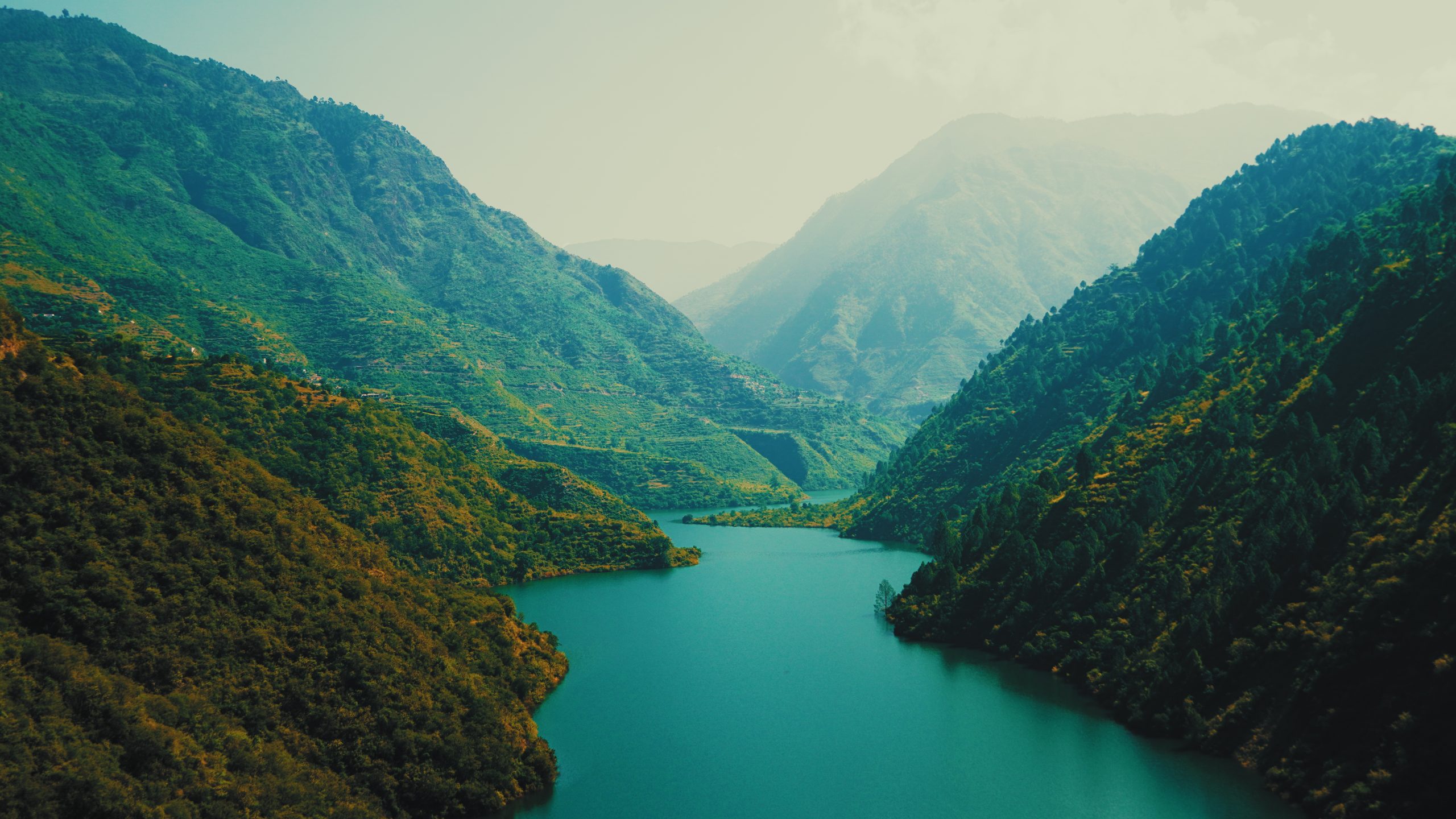
opularly known as the ‘Devbhumi’ or ‘Land of the Gods’, Uttarakhand is a prominent pilgrimage destination with abundant natural beauty. Home to the two sacred
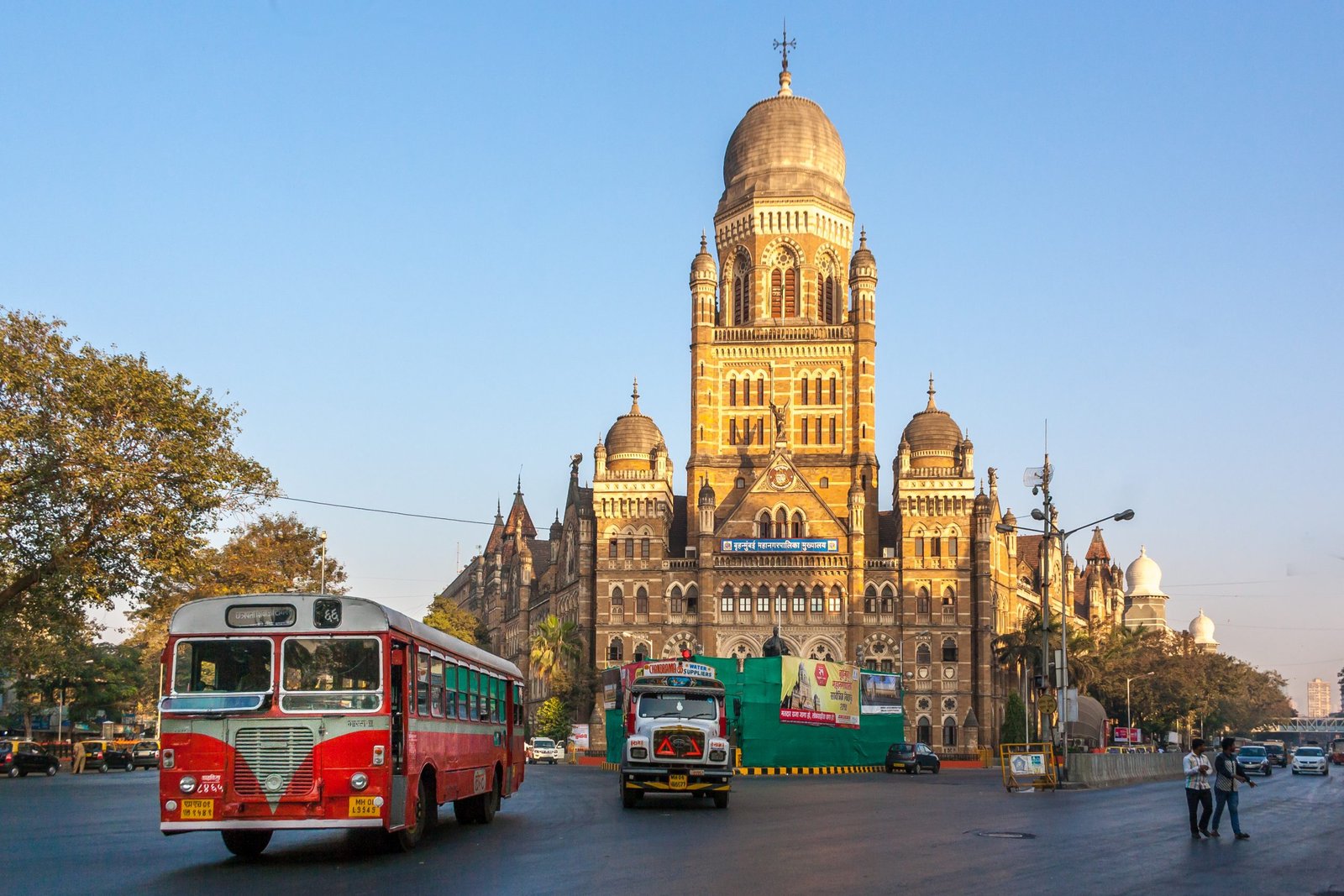
Arising from a vibrant history, the naturally blessed state of Maharashtra is home to a broad range of historic sites, national parks and cultural legacy.
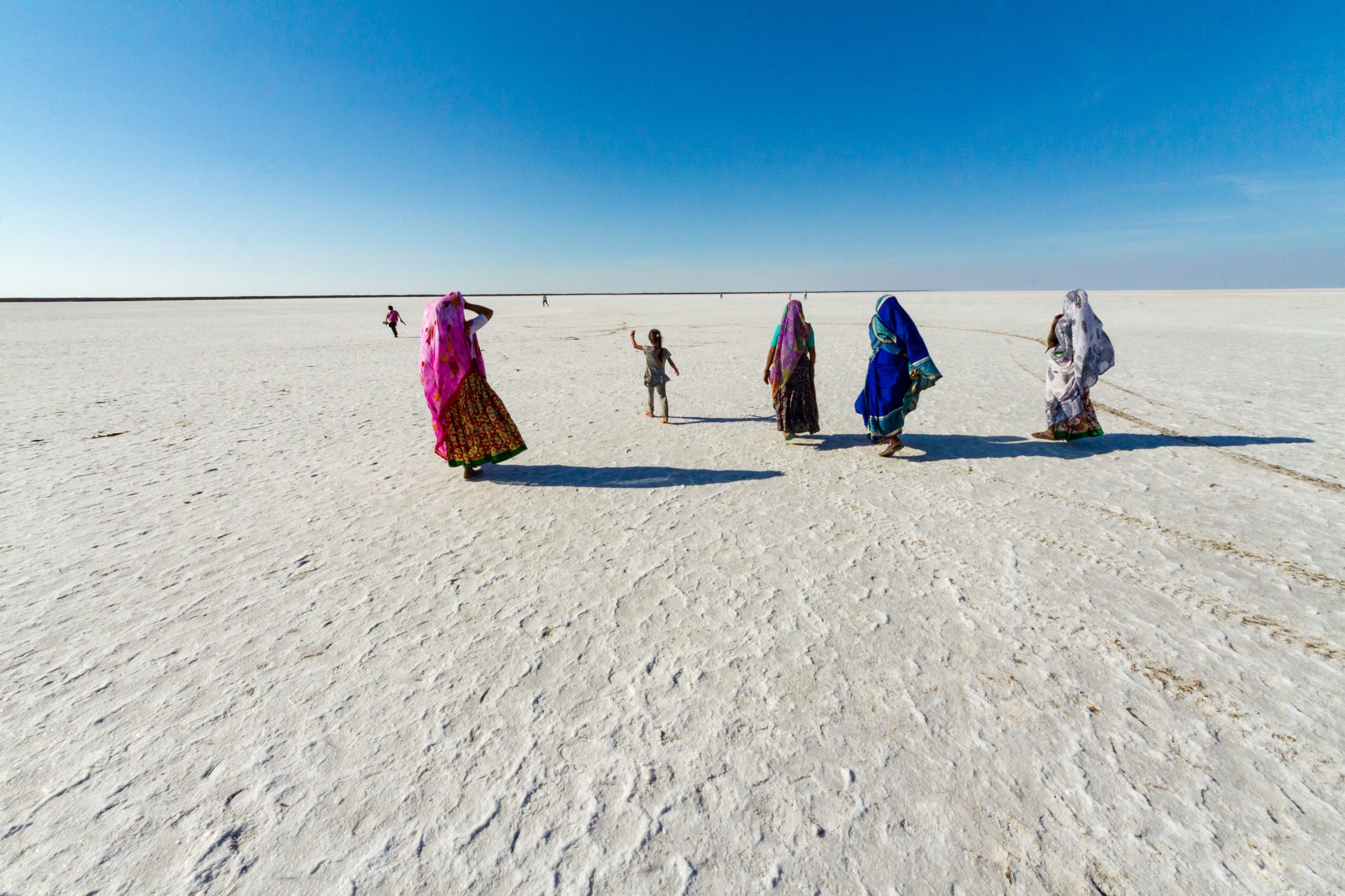
The westernmost state of the country, bordering Pakistan has a varied landscape ranging from the forests of Gir to the hills of Diu and the white sand
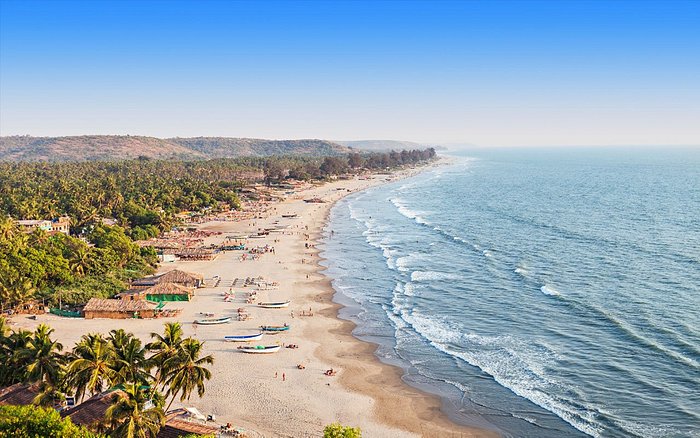
Topped as one of the country’s favourite holiday destinations, everyone travelling to India is either planning a trip to Goa or has already added a thoroughly
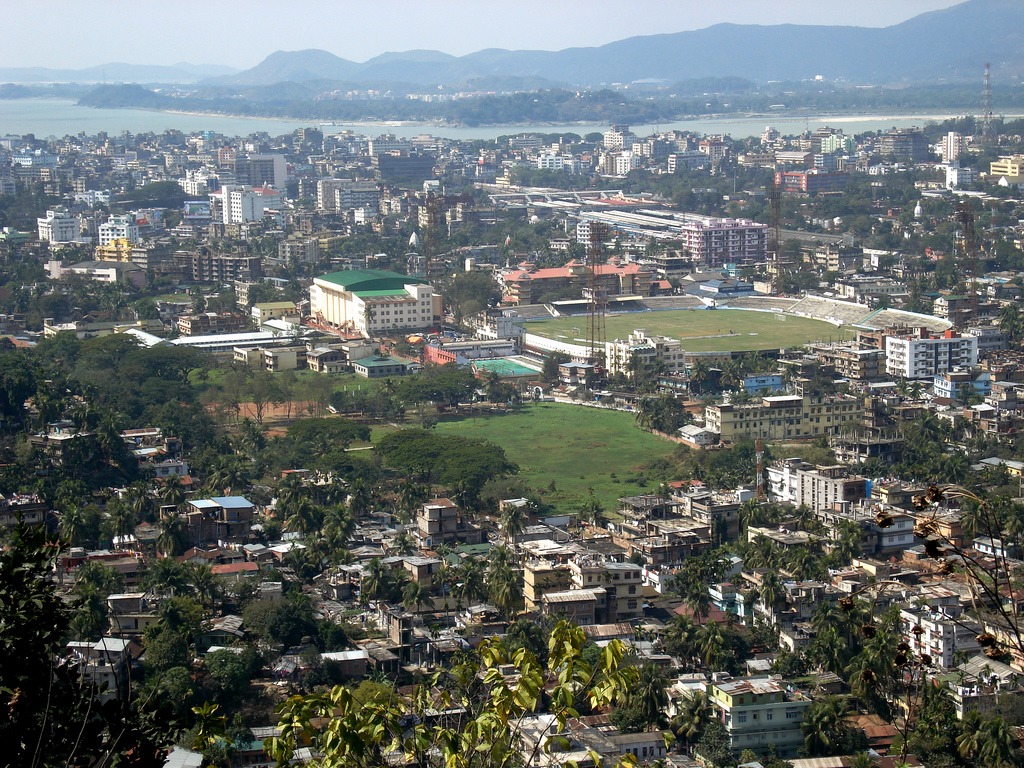
This east Indian state bordered by Uttar Pradesh, West Bengal, Jharkhand and Nepal is said to be the birthplace of Buddha. Situated on the Gangetic plains
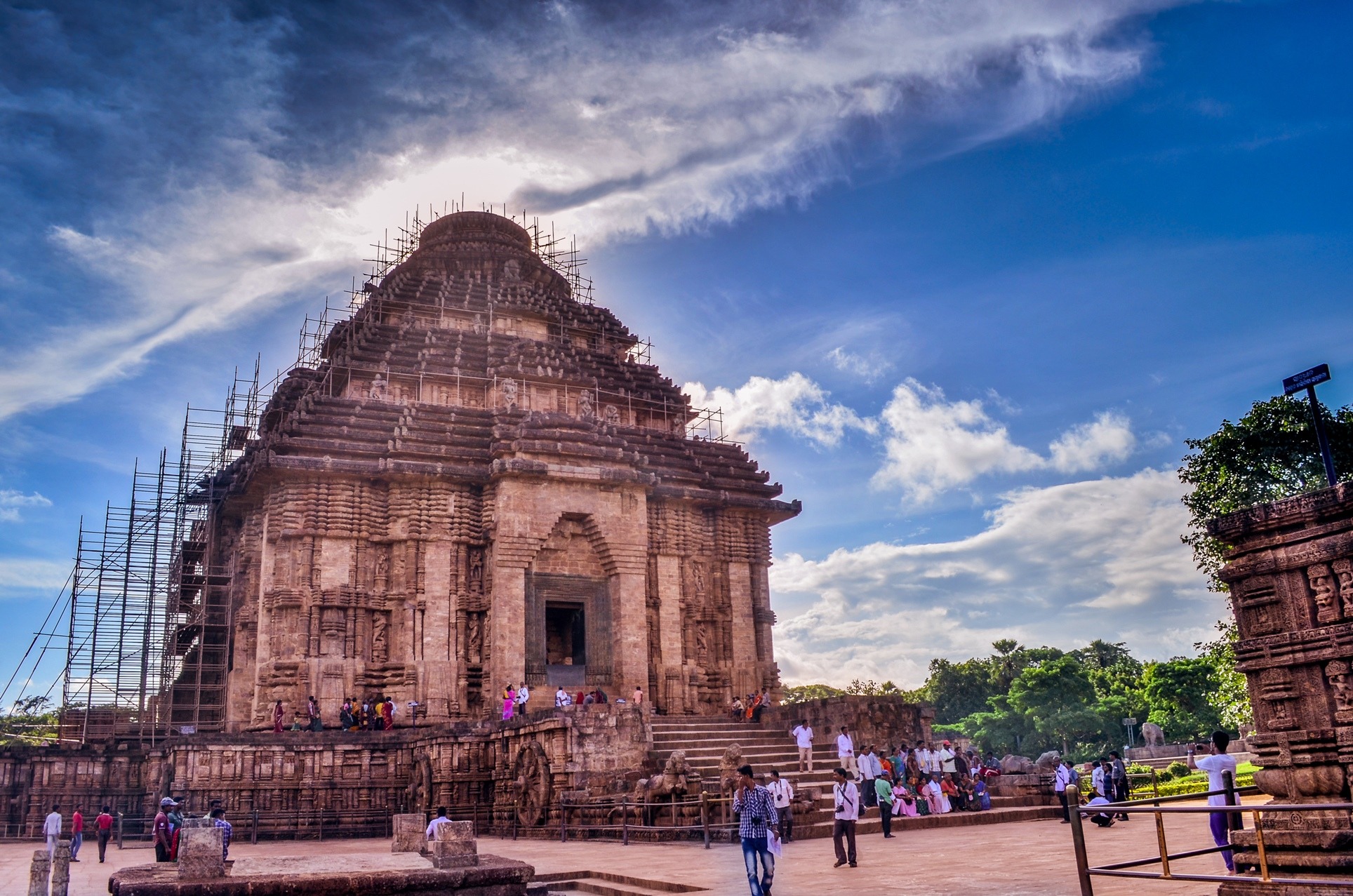
Odisha is known to be the land of myriad marvels as the state boasts of more than 20,000 temples with historic culture. While the state has previously
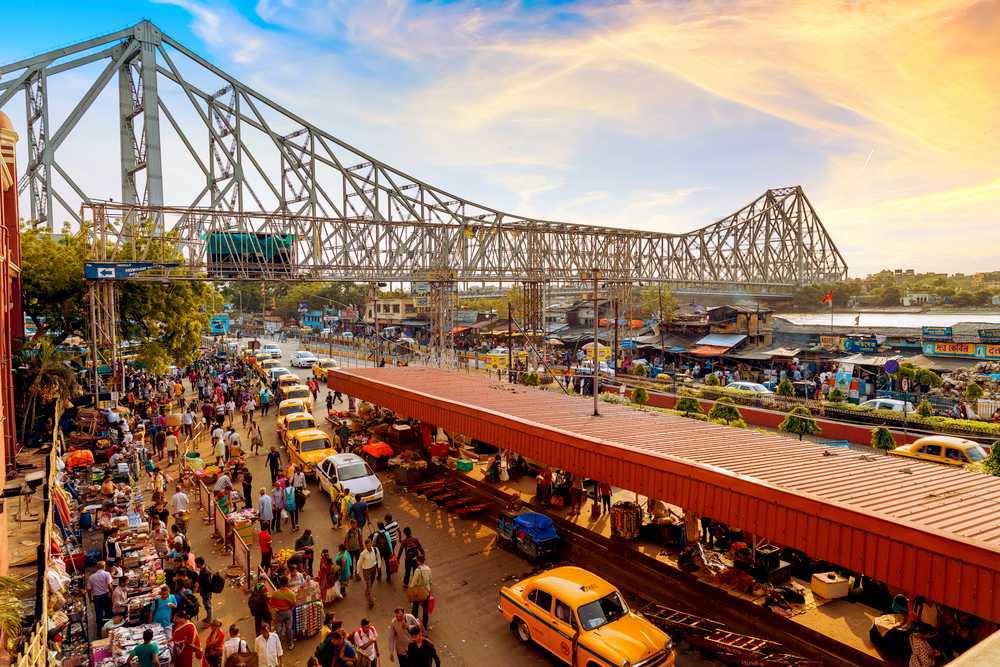
Titled the, ‘Sweetest part of India,’ West Bengal comprises stunning landscapes, majestic forests, coastal beauty, rich history and the unspoiled Sunderbans.
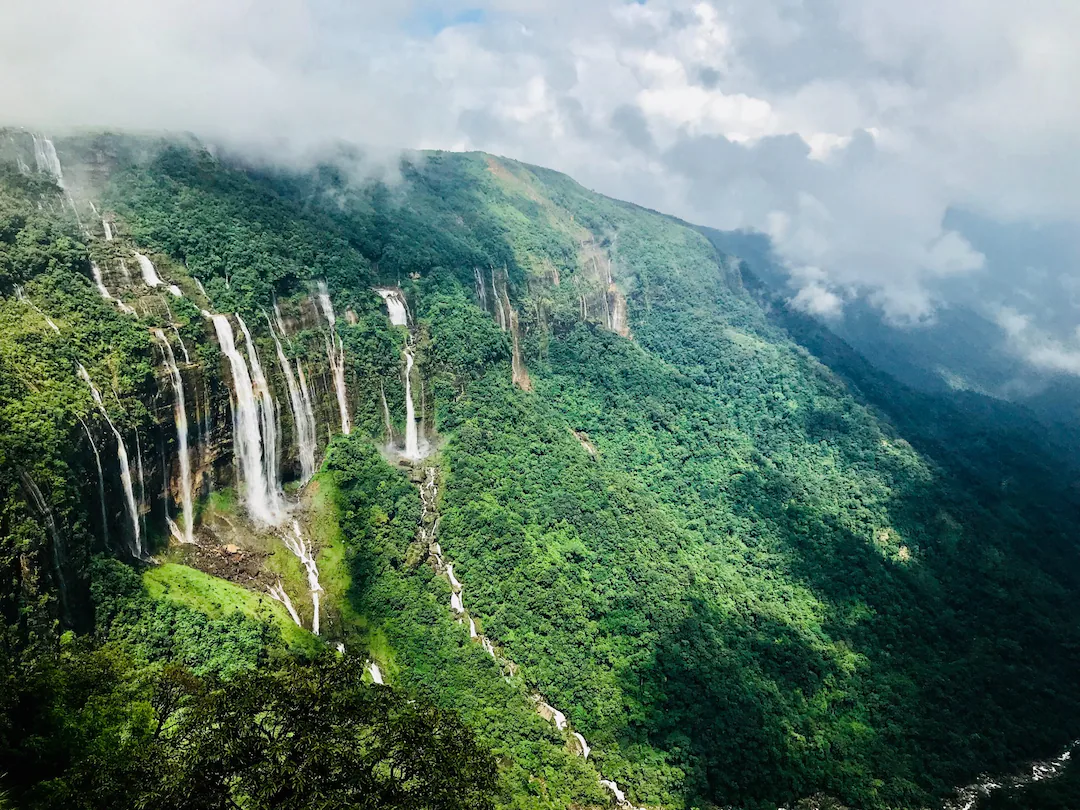
India is such a vast and beautiful country with so many options for travelling that one might feel confused as to what to see and what to miss. No matter
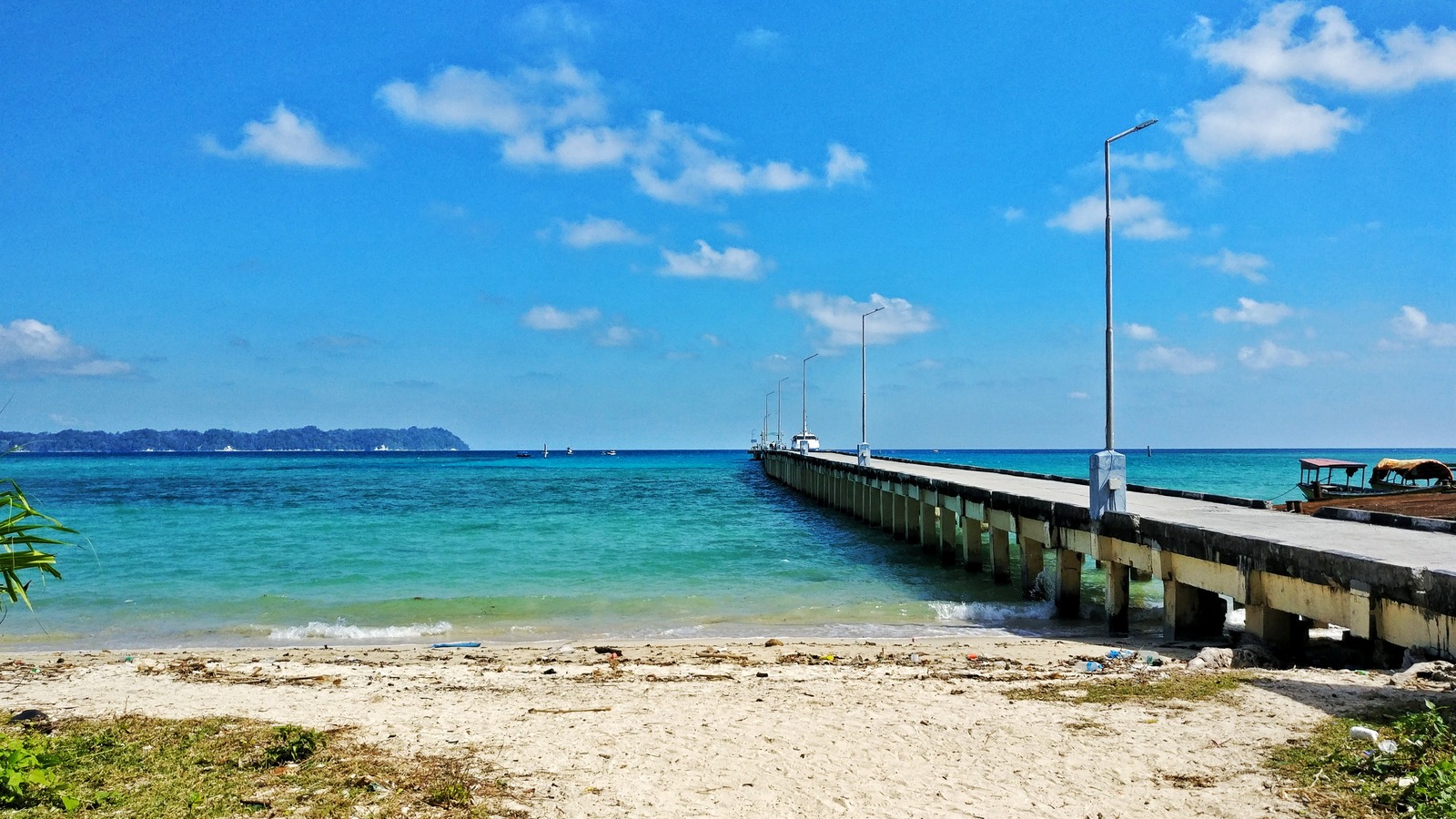
Andaman and Nicobar Islands in the Bay of Bengal on the eastern side is another lesser explored destination of the country. The 572-island archipelago is a
917,9th Floor, Tower-A, Nextra-The Address, Plot No. 4B, District Centre, Mayur Vihar Ph-1 Extension, New Delhi-110091
+91 11 43519903/ 43519904
info@ercotravels.com