
Approved by the Ministry of Tourism, Government of India – Reg. No. : 270620263672

Journey of a lifetime…

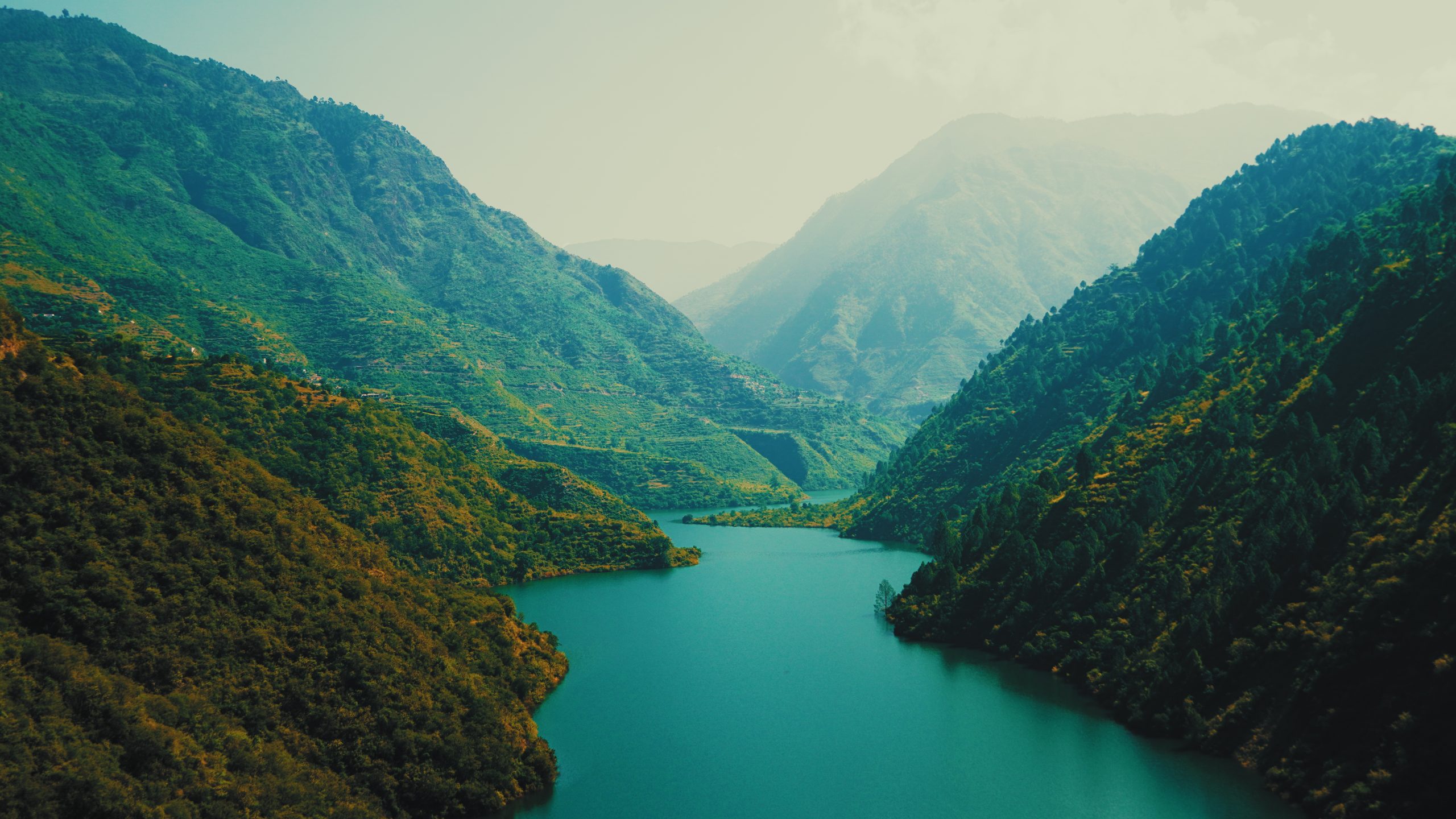
This Northeast Indian gem is nothing but a treasured state waiting to enthral every traveller who plans to visit. Assam, home to the one-horned rhino, is blessed with natural forests, rivers, and scenic tea plantations, all unspoiled and waiting to please travellers. As one of the world’s top biodiversity spots, it is home to a diverse range of flora and fauna, all surrounded by the beautiful Brahmaputra River. It is strategically situated as a gateway to all other states in the northeastern region. Assam is a true paradise waiting to be explored for its vibrant culture, scenic beauty, and history. The climate in the state is comparable to that of tropical regions, with year-round evergreen flora.

Eye-Catching Places to Visit in Assam

Guwahati

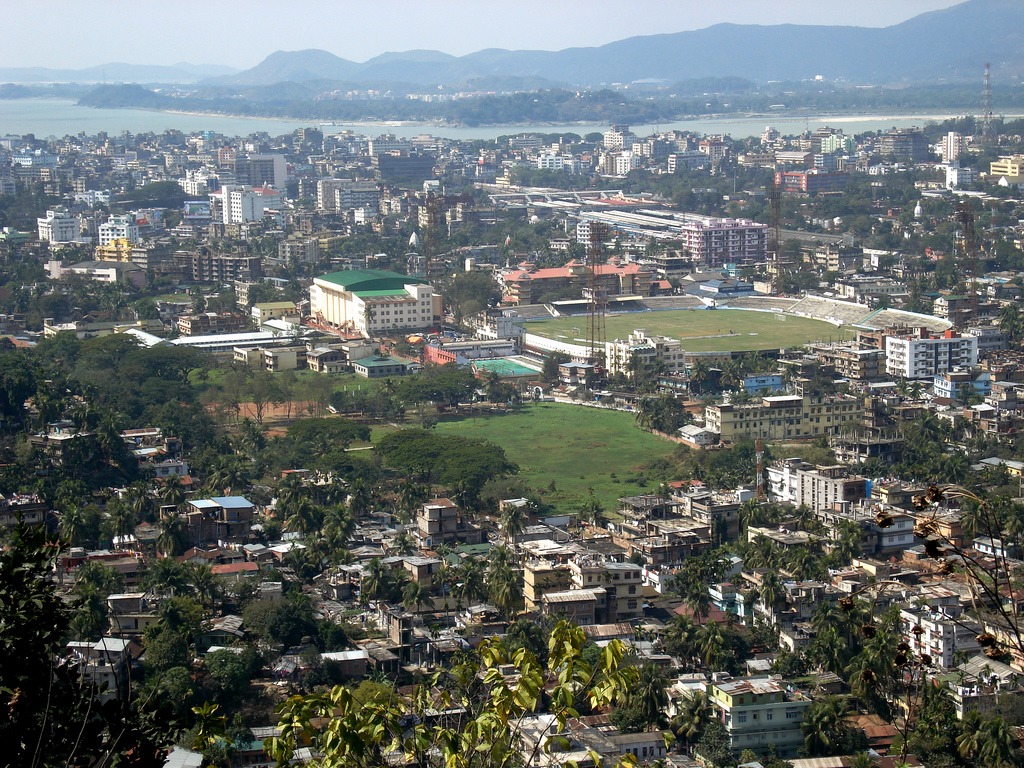
Known as the gateway to Northeast India, Guwahati is the largest metropolis in the region. The name Guwahati is derived from the combination of two Assamese words: ‘Guwa’ (Areca Nut) and ‘Haat’ (Market). The ever-growing city is mostly surrounded by buildings; however, you’ll find many temples and hidden gems while exploring it. There are many temples that you can visit, representing the local culture and ancient tales. Thousands of worshippers visit the Kamakhya Temple, dedicated to Goddess Kamakhya and located atop Nilachal Hill. Many devotees also visit during the Ambubachi Mela. Other ancient temples located in the city include the Navagraha Temple, Umananda Temple, which is tucked away on an island in the Brahmaputra River, and Balaji Temple. You can also visit the state zoo. Situated on the southern bank of the Brahmaputra River, the city is an exciting mix of the old and the new.

Kaziranga National Park

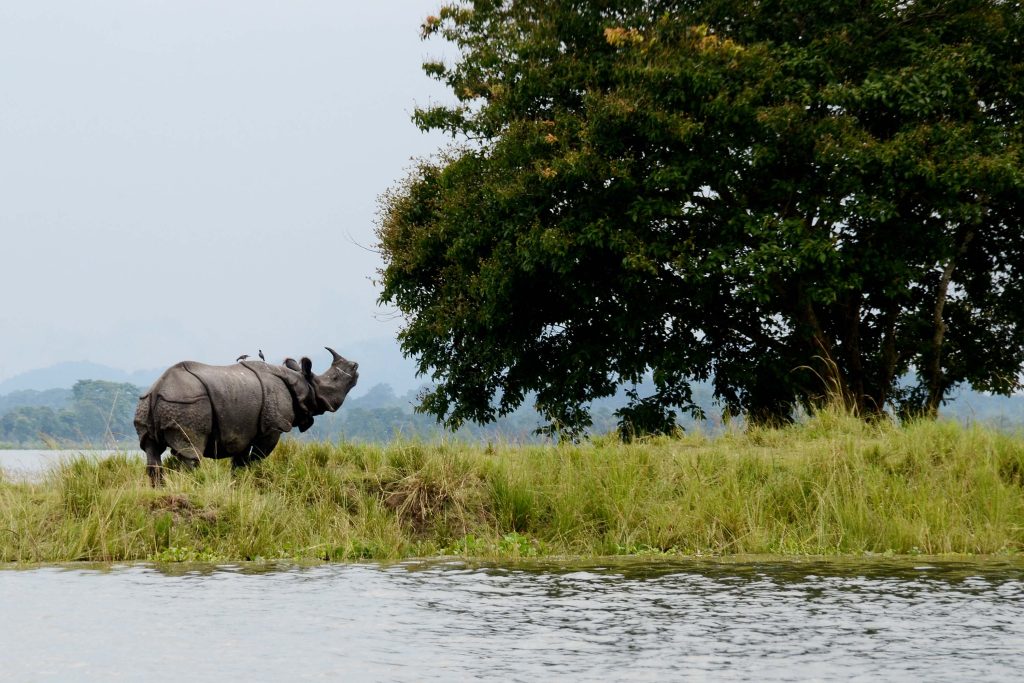
Here’s the corrected version with spelling, grammar, punctuation, and wording improved while keeping your original meaning and style: Home to the one-horned rhino in India, you should not leave Assam without visiting this beautiful national park. A treasure trove of flora and fauna, it is located about five hours from the capital, Guwahati. A perfect example of effective wildlife conservation in the country, it has one of the world’s largest populations of the one-horned rhino. Due to its natural abundance and careful conservation efforts, it was designated a UNESCO World Heritage Site in 1985. The park is located on the floodplains of the mighty Brahmaputra River, and dense vegetation covers practically the entire park. This national park is characterised by tall elephant grass, marshlands, and tropical broadleaf forests.

Dibrugarh

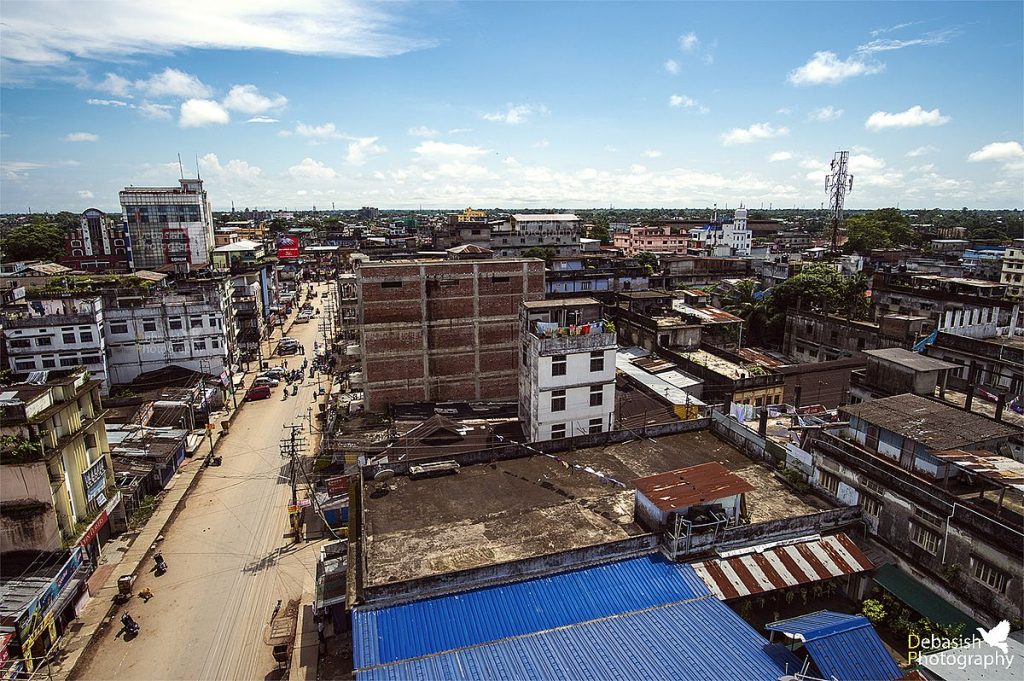
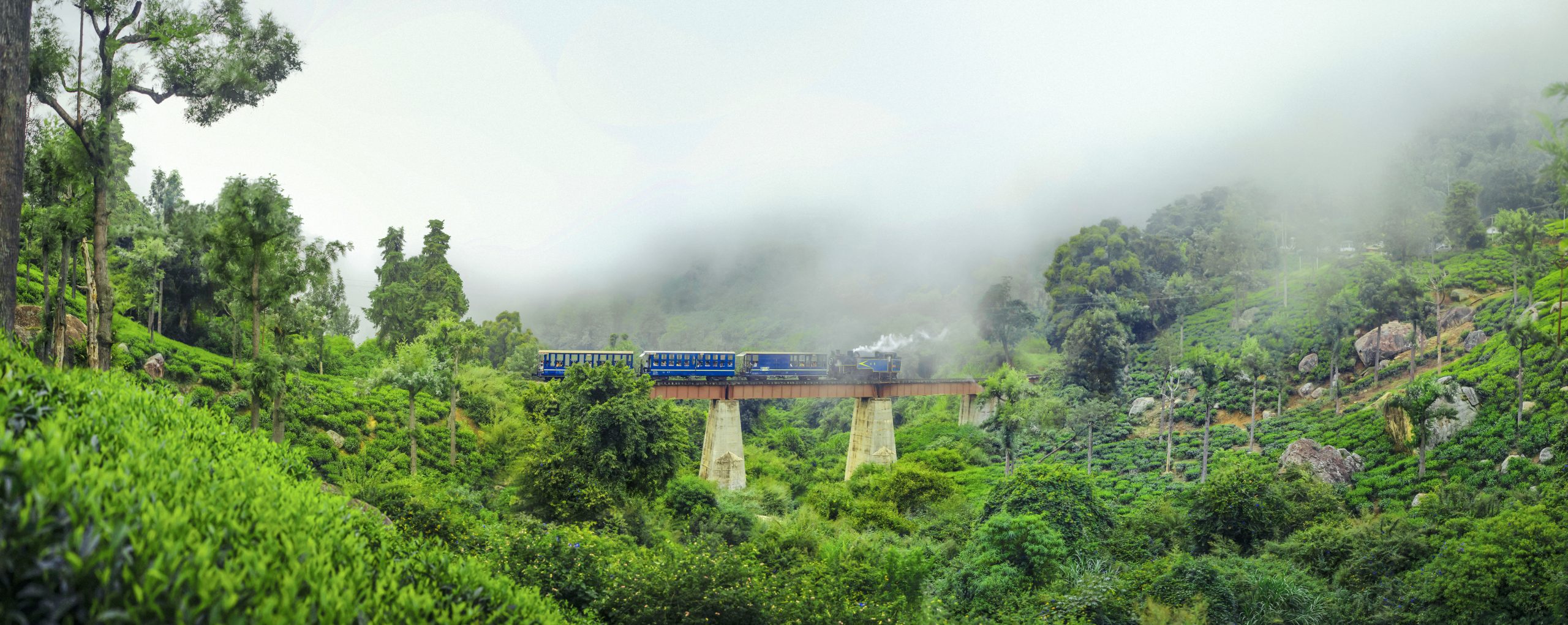
This small city is simple yet dynamic, colourful yet inviting. Being a major tea hub, it is known as India’s Tea City, making it extremely popular in eastern India, along with Guwahati and Bhubaneswar. The entire city is surrounded by a vast expanse of lush green tea plantations, offering beautiful views throughout. There are many temples to visit and local experiences that one can enjoy. The best way to experience Dibrugarh is to stay in a local homestay overlooking the tea plantations while relishing a freshly brewed cup of tea.


Jorhat

This culturally rich city is renowned as India’s Tea Capital. A road trip from either Guwahati or Dibrugarh will take you to Jorhat. As Assam’s second-largest city, it is home to numerous mosques, tombs, and gardens, apart from its beautiful tea plantations. There are many heritage monuments and natural reserves that attract curious travellers looking for refreshing experiences. You can experience Assamese culture through visits to local attractions and by exploring the traditions and lifestyle of the region. Then there is the world-renowned Majuli Islands, which has the distinction of being the world’s largest riverine island designated as a UNESCO World Heritage Site.

Sivasagar

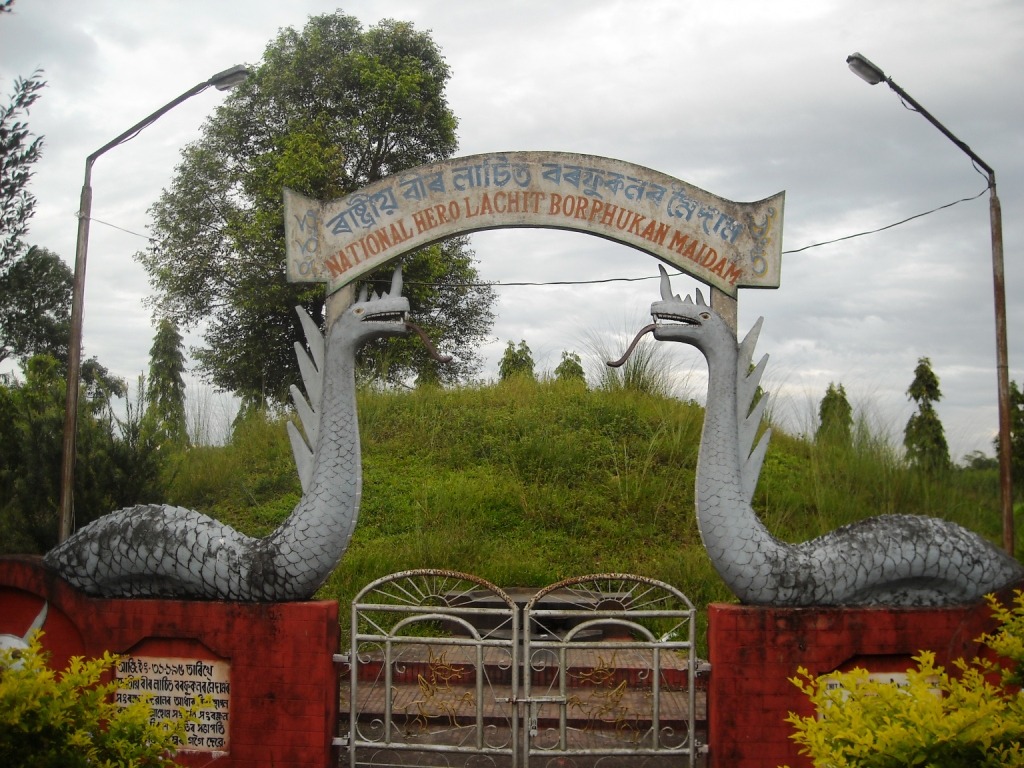
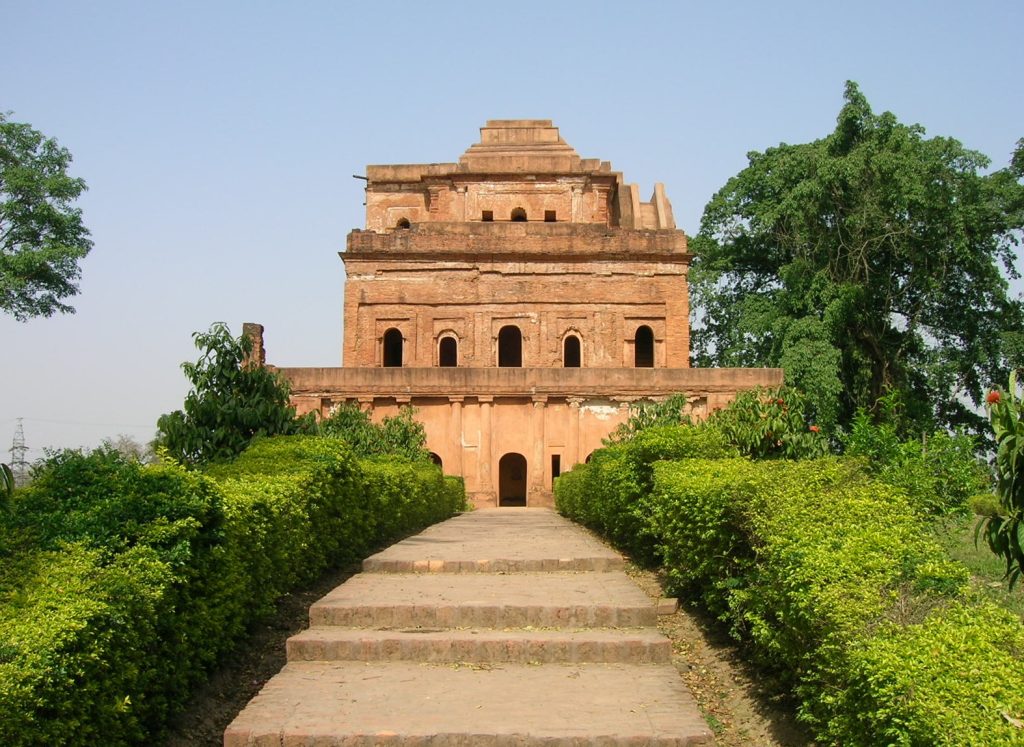
The small cultural town is a doorway to the historic Ahom period, with the entire region dotted with forts, underground structures, and temples. The city takes its name from the massive Sivasagar Lake, which is located at its heart and is surrounded by rich and diverse natural beauty. A water tank called Bhorpukhuri, as well as Joysagar, a man-made lake, the Ahom Museum, Rudrasagar Tank and its temples, and Gaurisagar Tank and its temples, are some of the most prominent attractions here. The Kareng Ghar and the Rang Ghar are also worth visiting. Rang Ghar is a two-storey oval-shaped structure from which the Ahom monarchs are believed to have watched elephant fights and other sporting events.

Delicacies of the state

The local cuisine of the state is simple in terms of technique and style, yet colourful and flavourful. The locally sourced, fresh ingredients add an exotic flavour to the dishes. The diversity of the state is reflected in its cuisine as well. The locals primarily eat rice, fish, and seafood. However, fish is prepared and served in various ways, ranging from sour fish curry, known as tenga, to smoked and fried fish, as well as fish seasoned with vegetables. You will find the use of local spices such as cumin, coriander, mustard, ginger, garlic, fenugreek, and cardamom in many dishes. Laksa, a spicy and sour fish-based noodle soup, is another locally popular dish enjoyed by many. Blessed with vast tea plantations, the locals are very fond of tea, and you must not miss trying the different varieties available here.

Shopping in the state

As part of the Seven Sisters of India, Assam is deeply rooted in its culture and local handicrafts. While exploring the state, you’ll notice that many people prefer to wear traditional attire and proudly showcase locally made handicrafts. There are many places in the capital, Guwahati, where you can buy souvenirs, such as the Mati Centre or silk sarees from Silkalay. There are also several malls where you can shop for regional clothing and handicrafts. Government-run handloom stores are among the best places to invest in locally made products, ranging from handloom sarees and metal crafts to the famous Assam tea.

Festivals of Assam

The state’s vibrancy is also reflected through its various fairs and festivals. The local festivities are not only engaging but also take you on a colourful journey through Assamese culture. The various tribes that inhabit Assam pay homage to their culture and customs in their own distinct and beautiful ways. The Bihu festival is celebrated to mark the new harvest season in the Hindu calendar. People from all backgrounds come together, wearing new clothes and preparing traditional foods such as pitha and laru, while praying for a good and prosperous year ahead. You can see people dressed in brightly coloured attire, singing traditional folk songs and celebrating with great enthusiasm.

Best time to visit

The best time to visit is from October to April, when the state experiences a humid subtropical climate. To explore a different side of Assam, plan your trip around the Bihu celebrations, which take place in April, January, and September–October.

How to reach

Guwahati has its own airport, which serves destinations such as Agartala, Kolkata, and Delhi. It is also well connected to major cities and international hubs via Mumbai and Delhi. Furthermore, you can travel to nearby cities by bus or taxi. Several state-run and private bus services are available to take you to other destinations within Assam.

Want To find out more about Our Popular Tours ?

Get in touch one of our destination specialists.

Other Popular Tourist Places

Discover more of India’s fascinating destinations, each offering a unique blend of history, culture, nature, cuisine, and unforgettable experiences. From vibrant cities and heritage landmarks to serene landscapes and charming towns, explore more places that add memorable moments to your journey.