
Approved by the Ministry of Tourism, Government of India – Reg. No. : 270620263672
Topped as one of the country’s favourite holiday destinations, everyone travelling to India is either planning a trip to Goa or has already added a thoroughly researched itinerary to their list. An eclectic mix of culture, relaxation, and fun, Goa is truly a vacationer’s paradise. A kaleidoscope of Portuguese-Indian heritage, combined with the natural beauty of its beaches, makes this a truly delightful destination. Goa is primarily known for its Susegad style of living. Derived from the Portuguese term sossegado, meaning “peaceful,” it represents the easygoing and laid-back attitude of people who enjoy life at their own pace. This lifestyle is believed to have originated from Portuguese influence and has helped make Goa internationally popular for its relaxed and enjoyable holidays.
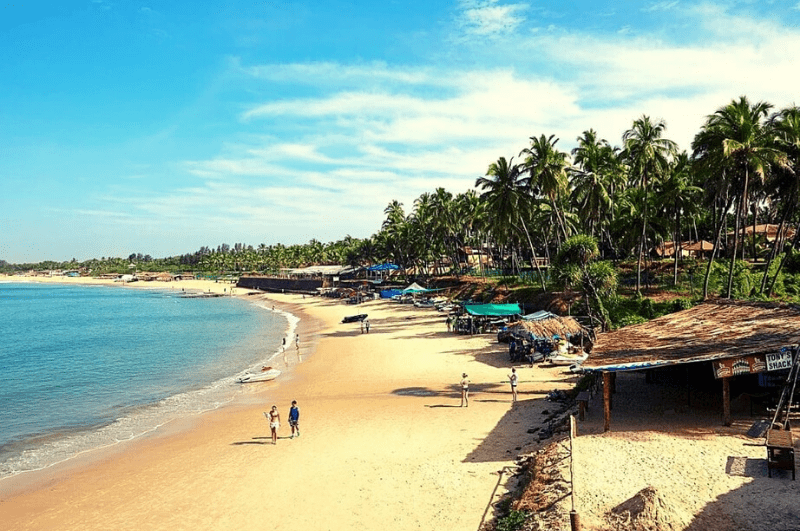
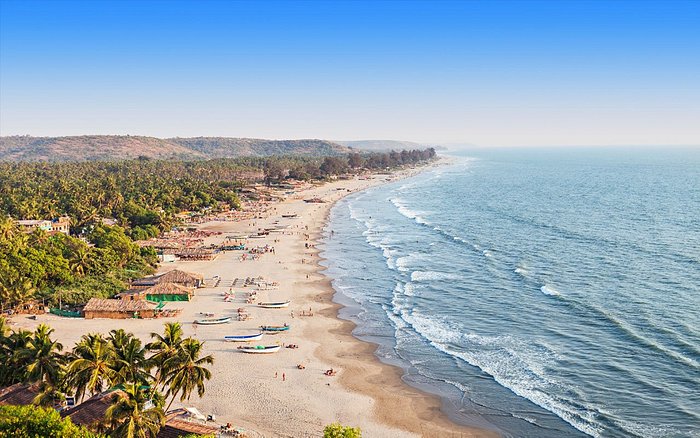
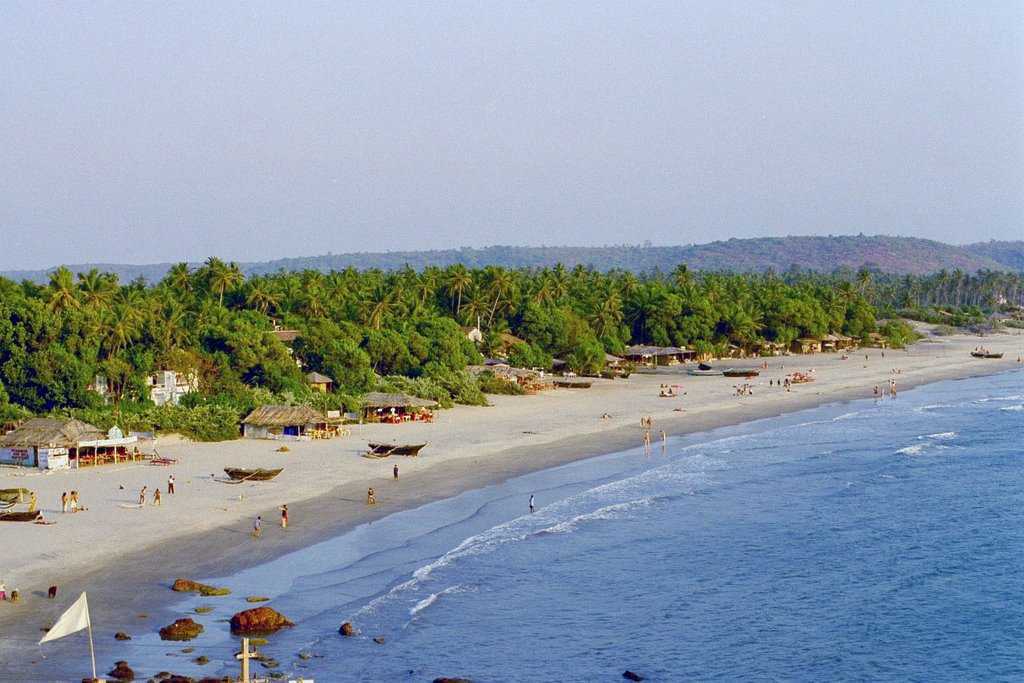
Topped as one of the country’s favourite holiday destinations, everyone travelling to India is either planning a trip to Goa or has already added a thoroughly researched itinerary to their list. An eclectic mix of culture, relaxation, and fun, Goa is truly a vacationer’s paradise. A kaleidoscope of Portuguese-Indian heritage, combined with the natural beauty of its beaches, makes Goa a truly delightful destination. It is primarily known for its Susegad style of living. Derived from the Portuguese term sossegado, meaning “peaceful,” it represents the easygoing and laid-back attitude of people who enjoy life at their own pace. This lifestyle is believed to have originated from Portuguese influence and has helped make Goa internationally popular for its relaxed and enjoyable holidays. Marked by a 100-km-long coastline, Goa is blessed with golden sandy beaches brimming with travellers throughout the year. Be it the backpacker’s favourite Arambol, the adventure seeker’s hotspot Baga, tranquil Mandrem, palm-fringed Palolem, or the delightful hippie market at Anjuna Beach, Goa has plenty to offer in terms of adventure and fun. A historical detour takes you to some of the region’s most iconic churches and forts, some of which are listed as UNESCO World Heritage Sites. The locals are warm and welcoming and celebrate many festivals throughout the year to showcase their vibrant culture. Goa is divided into North and South Goa. While the northern region is known for its nightlife, beaches, flea markets, and beach shacks, the southern side offers luxurious resorts and quaint beaches. Numerous restaurants and shacks along the coastline serve delicious seafood. As night falls, clubs and cruises offer a delightful experience of the lively and enjoyable side of Goan culture. Goa remained a Portuguese territory for almost 450 years, and the influence of Portuguese culture and architecture can still be seen throughout the region. Yellow houses, green doors, ochre-coloured mansions, and oyster-shell windows are common sights across Goa. A perfect destination for travellers looking for a relaxed yet exciting holiday, Goa offers something for everyone. Whether one person in a group wants to party while another prefers to relax by the beach or pool, the destination caters to all preferences. Adventure seekers will also not be disappointed, as several beaches offer exciting water sports such as jet skiing, kitesurfing, parasailing, and waterboarding. Here is a look at some of the major attractions and must-visit places in Goa.
Popularly known as the “Queen of Beaches,” Calangute is one of the longest and most popular beaches in North Goa, stretching towards Baga. Its mesmerising views and numerous attractions make it immensely popular among travellers. Several restaurants and beach shacks offer the best of local cuisine and international flavours, allowing visitors to spend an entire day enjoying good food while gazing at the sea. Water sports such as parasailing, water surfing, banana boat rides, and jet skiing are also popular at Calangute Beach, making it a favourite among domestic and international travellers.
Popularly known as the “Queen of Beaches,” Calangute is one of the longest and most popular beaches in North Goa, stretching from Candolim towards Baga. Its mesmerising views and numerous attractions make it immensely popular among travellers. Several restaurants and beach shacks offer the best of local cuisine and international flavours, allowing visitors to spend an entire day enjoying good food while gazing at the sea. Water sports such as parasailing, water surfing, banana boat rides, and jet skiing are also popular at Calangute Beach, making it a favourite among domestic travellers. Other popular beaches, such as Baga, Candolim, and Anjuna, are also located nearby. However, many travellers visit Calangute Beach because of its sheer size, lively atmosphere, and immense popularity.
Merely an extension of Calangute Beach, roughly 30 km north of Panjim, Baga is a hub of Goa’s vibrant nightlife and is home to iconic establishments such as Britto’s, Tito’s, and Mambo’s. Offering a wide variety of water activities for adventure seekers, the destination attracts visitors who want to experience its lively atmosphere during both the day and at night. The Baga Creek, which flows into the Arabian Sea, is another notable feature of the area. Baga is also well known for its designer boutiques and vibrant street markets. It is the perfect place to experience how Goa has evolved to cater to the growing number of visitors seeking to enjoy its unique and laid-back lifestyle.
Merely an extension of Calangute Beach, roughly 30 km north of Panjim, Baga is a hub of Goa’s vibrant nightlife and is home to iconic establishments such as Britto’s, Tito’s, and Mambo’s. Offering a wide variety of water activities for adventure seekers, Baga attracts visitors who want to experience its lively atmosphere during both the day and at night. The Baga Creek, which flows into the Arabian Sea, is another notable feature of the area. Baga is also well known for its designer boutiques and vibrant street markets. It is the perfect place to experience how Goa has transformed to cater to the growing number of visitors seeking to enjoy the Goan lifestyle. The beach is lined with tattoo parlours, spas, sun decks, and shacks. Whether you prefer morning yoga by the beach, reading by the sea, soaking up the sun, or simply partying with friends under the stars, Baga offers something for everyone.
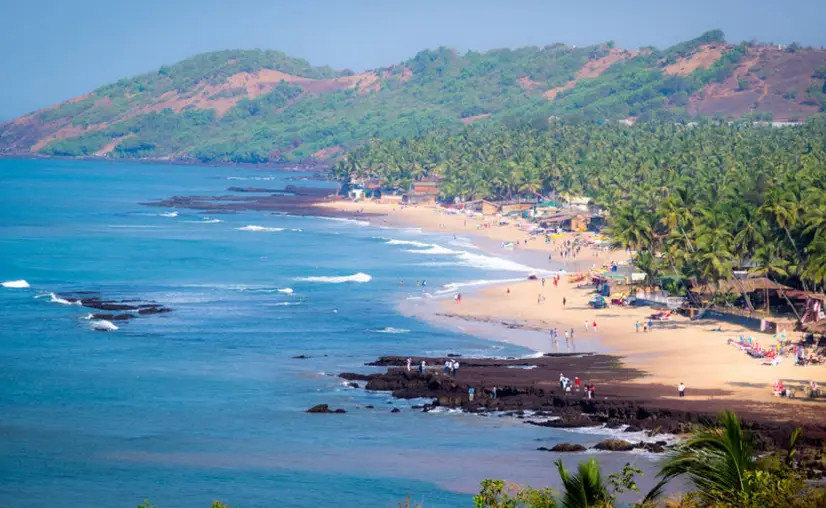
The beach caters to travellers with a variety of preferences and budgets, from those seeking a relaxing family holiday to those looking for an action-packed weekend with friends. Anjuna Beach is a popular destination in Goa, known for its distinctive Goan charm, stylish nightlife, and beachside hotels and resorts. The southern and northern ends of Anjuna Beach, stretching along its golden shoreline, offer a variety of experiences. While the southern end features a rocky headland, the northern side offers exciting water activities such as bungee jumping, banana boat rides, and more.
The beach can accommodate people with a variety of travel inclinations and budgets, from a relaxing family holiday to an action-packed weekend with your friends. Anjuna Beach is a luxurious oasis within Goa, known for its Goan influences, stylish nightclubs, and beachside hotels and resorts. The southern and northern ends of Anjuna beach, which stretch along the golden shoreline, provide a variety of activities. While the southern end has a rocky headland, the northern end offers water activities such as bungee jumping, a bumpy banana ride, and more.
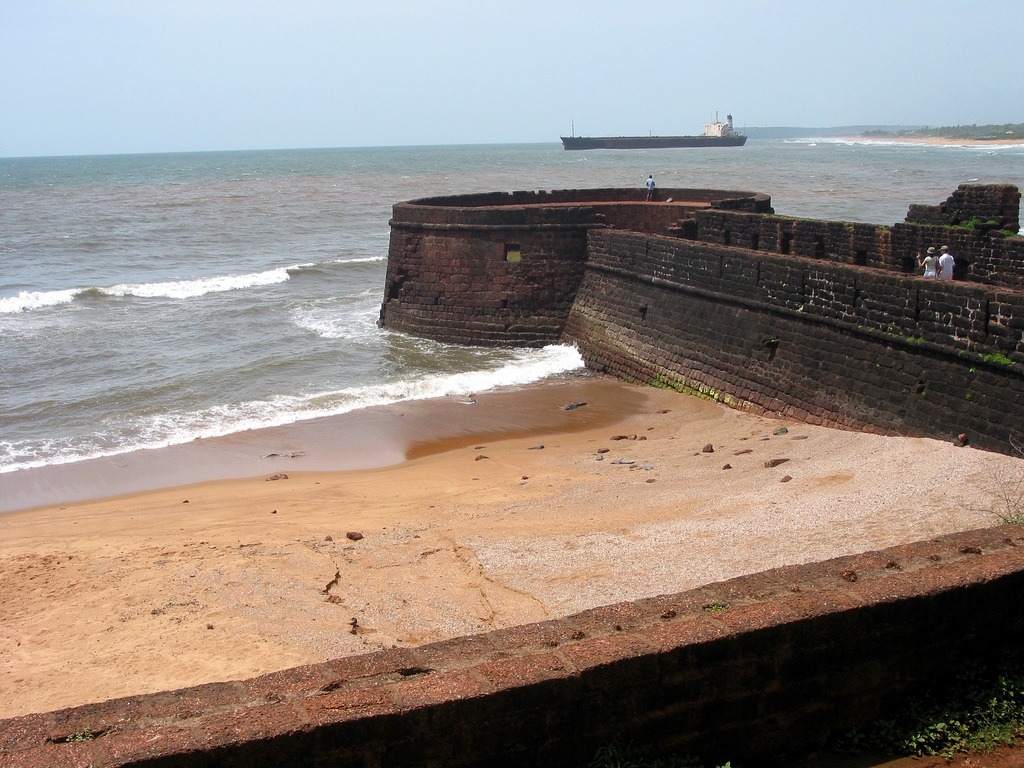
This 17th-century Portuguese fort, overlooking the confluence of the Mandovi River and the Arabian Sea, is a wonderful place to witness beautiful sunsets. The fort’s weathered ramparts stand on Sinquerim Beach, around 18 kilometres from Panjim. One of its notable features is a four-storey lighthouse, along with breathtaking views of the surrounding coastline. Known as the “Fortress of Tranquillity,” it was built in 1612 as a defensive stronghold against the Dutch and the Marathas. It served as an important strategic point for the Portuguese and covered an entire peninsula. The fort was named after the Portuguese word for water.
This 17th-century Portuguese fort, overlooking the confluence of the Mandovi River and the Arabian Sea, is a wonderful place to witness beautiful sunsets. The fort’s weathered ramparts stand on Sinquerim Beach, around 18 kilometres from Panjim. One of its notable features is the four-storey lighthouse, along with breathtaking views of the surrounding coastline. Known as the “Fortress of Tranquillity,” it was built in 1612 as a defensive stronghold against the Dutch and the Marathas. It served as an important strategic point for the Portuguese and occupied an entire peninsula. The fort was named after the Portuguese word for water, “água,” and served as a freshwater replenishment point for sailors. It was also one of Asia’s largest freshwater reservoirs, with a capacity of approximately 2.376 million gallons of water. At its peak, it was a magnificent fort with the capacity to house 79 cannons and other defensive armaments. It was one of the Portuguese Empire’s most valued assets. Today, it is a popular tourist attraction in Goa, separating Sinquerim Beach from Candolim Beach. Its architecture offers an excellent insight into the construction skills of Portuguese architects, while its location provides breathtaking views that are not to be missed.
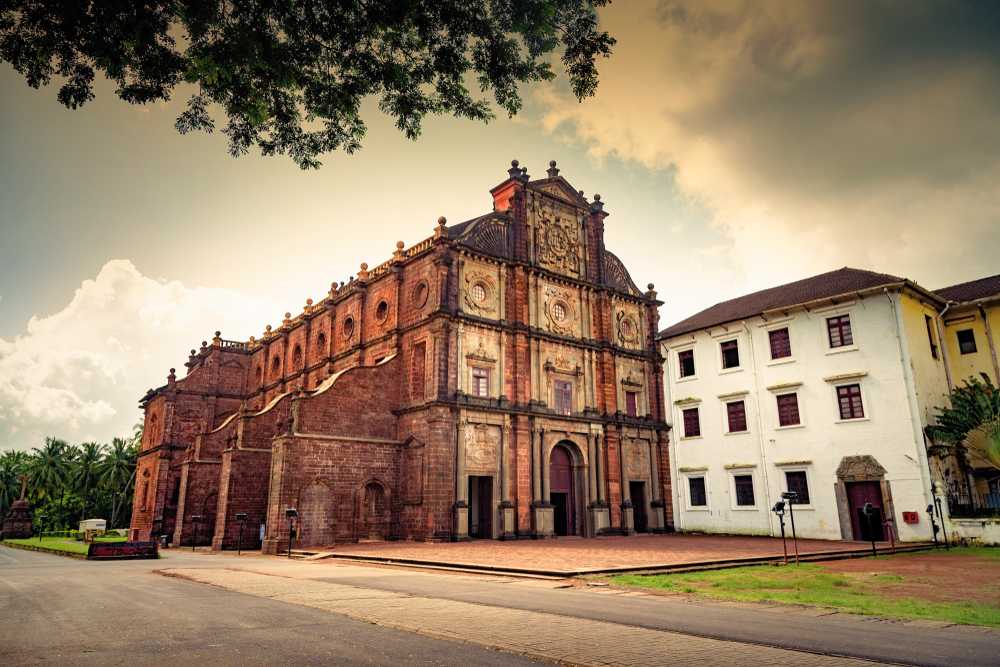
A UNESCO World Heritage Site, the Basilica of Bom Jesus is one of the finest examples of Baroque architecture in India. Construction of the church began in 1594, and it was consecrated in 1605. The basilica is closely associated with the history of Christianity in Goa. The church houses the relics of St. Francis Xavier, a close companion of St. Ignatius Loyola and one of the founding members of the Society of Jesus, commonly known as the Jesuits. His relics have been preserved for centuries and are displayed to the public during special occasions. The Basilica of Bom Jesus is a perfect place to witness the rich history, religious significance, and architectural grandeur of Goa.
A UNESCO World Heritage Site, the Basilica of Bom Jesus is one of its kind structure in India with its baroque architecture. The construction of this church, which began in 1594 and was consecrated in 1605, coincides with the birth of Christianity in India. The relics of St. Francis Xavier, a close companion of St. Ignatius Loyola, with whom he founded the Society of Jesus, are kept in this church, which is the oldest in Goa (Jesuits). The remains are in good condition after 400 years and are removed once per decade. It is a perfect place to witness the history and architectural wonder of the state
Arambol is relatively quieter, with fewer water activities, making it ideal for soaking up the sun and enjoying a peaceful read while gazing at the sea. It is one of the beaches in North Goa that attracts a large number of international tourists, many of whom come together as a community, creating a distinct bohemian vibe. As one of Goa’s northernmost beaches, Arambol features a rocky shoreline, bordered by lush greenery on one side and the Arabian Sea on the other. There is something for everyone in Arambol, whether it is a yoga session on the beach, a drum circle, a weekend seaside market at sunset, visiting a mystical baba atop a hill, paragliding from a cliff, or simply wandering through the quirky market alleyways.
Arambol is relatively quieter with fewer water activities, thus making it ideal for soaking in the sun and enjoying a quiet read while staring at the sea. Therefore it is one beach in North Goa brimming with international tourists as many are seen coming together as a community with a distinct bohemian vibe. As one of Goa’s northernmost beaches, it is a rocky beach cornered by jungles on one end and the sea on another. There is something for everyone in Arambol, whether it's a yoga session on the beach, a drum circle and a weekend seaside market at sunset, a mystical baba on top of a hilltop, jumping from a cliff to paraglide, or simply wandering around the kitschy market alleyways.
The regional cuisine of Goa is rich and perfectly blended with its diverse heritage. The fusion of Konkani, Hindu, Portuguese, and Catholic influences can be found in the dishes of Goa. The regional cuisine is dominated by seafood, coconut, rice, and local spices. Rice and fish curry are staple foods for the locals. Moreover, the numerous cafés, restaurants, and diners add to the unique culinary offerings of Goa. The dining scene continues to evolve as new resorts and dining venues emerge, bringing fresh perspectives to traditional and regional cuisine while preserving the authentic flavours of Goa.
The regional cuisine of Goa is rich and perfectly blended with its diverse heritage. The fusion of Konkani, Hindu, Portuguese, and Catholic influences can be found in the dishes of Goa. The regional cuisine is dominated by seafood, coconut milk, rice, and local spices. Rice and fish curry are staple foods for the locals. Moreover, the numerous cafés, restaurants, and diners add to the unique culinary offerings of Goa. The dining scene in Goa continues to evolve as new resorts and dining venues open, bringing fresh perspectives to traditional regional cuisine. Be it beach shacks, fine-dining restaurants in luxury hotels, or a café by the sea, there is always something new to experience in the state. Goa is also known for its traditional alcoholic beverage, Feni, which is prepared from cashew apples or coconut palm sap and is enjoyed by many visitors. Pork Vindaloo, Crab Xec Xec, Sanna, prawn dishes, Goan red rice, and Poee are just some of the regional specialities that reflect a blend of Portuguese and Indian culinary influences. Do not miss the opportunity to try them.
Be it the architecture, cuisine, or culture, you may want to take a piece of Goa home with you. There are many local markets offering a delightful mix of souvenirs and regional products to choose from.
The Anjuna Flea Market, held every Wednesday, is a great place to buy faux jewellery, local handicrafts, footwear, wall hangings, spices, and hammocks. According to local stories, the market was founded by a group of hippies in the 1960s as a place to barter and trade. Bargaining is common, so if you are good at negotiating, you may find some items at attractive prices.
Then there is the Saturday Night Market at Arpora, which is divided into different sections, each offering unique items. You can find fruits, vegetables, jewellery, home décor items, spices, and locally designed clothes and bags.
The stretch between Calangute and Baga is also lined with numerous shops offering local clothing, jewellery, souvenirs, and handicrafts.
Goa is enjoyed throughout the year by travellers, with many people even preferring to visit during the monsoon season. However, the best time to visit the state is from November to February, when the weather is pleasant and local celebrations, such as Christmas and New Year, are in full swing. During this period, Goa comes alive with numerous activities and is brimming with tourists.
The months from March to May are comparatively quieter, with fewer travellers visiting due to the warm weather and rougher sea conditions. Then comes the rainy season, when many beach accommodations close and several shacks remain shut because of heavy rainfall and high tides. However, it can be the perfect time to visit for those who enjoy the monsoon, as the entire state is drenched in rain and surrounded by lush greenery.
The festival of São João, a celebration associated with Saint John the Baptist, which takes place in late June, is another reason to visit Goa during the monsoon season. It is known for its lively traditions, where participants jump into overflowing wells and celebrate with music, festivities, and local drinks such as feni.
Goa’s airport at Dabolim serves both domestic and international travellers. It is connected by regular flights to major Indian cities as well as international destinations such as London, Dubai, Moscow, Doha, and Kuala Lumpur, among others.
The two major railway stations serving Goa are Vasco da Gama Railway Station and Madgaon Railway Station. Both stations have excellent connections to various parts of India. Additionally, numerous long-distance interstate bus services operate to and from Goa, while the state is also well connected to the rest of the country through a network of national highways.
Discover more of India’s fascinating destinations, each offering a unique blend of history, culture, nature, cuisine, and unforgettable experiences. From vibrant cities and heritage landmarks to serene landscapes and charming towns, explore more places that add memorable moments to your journey.
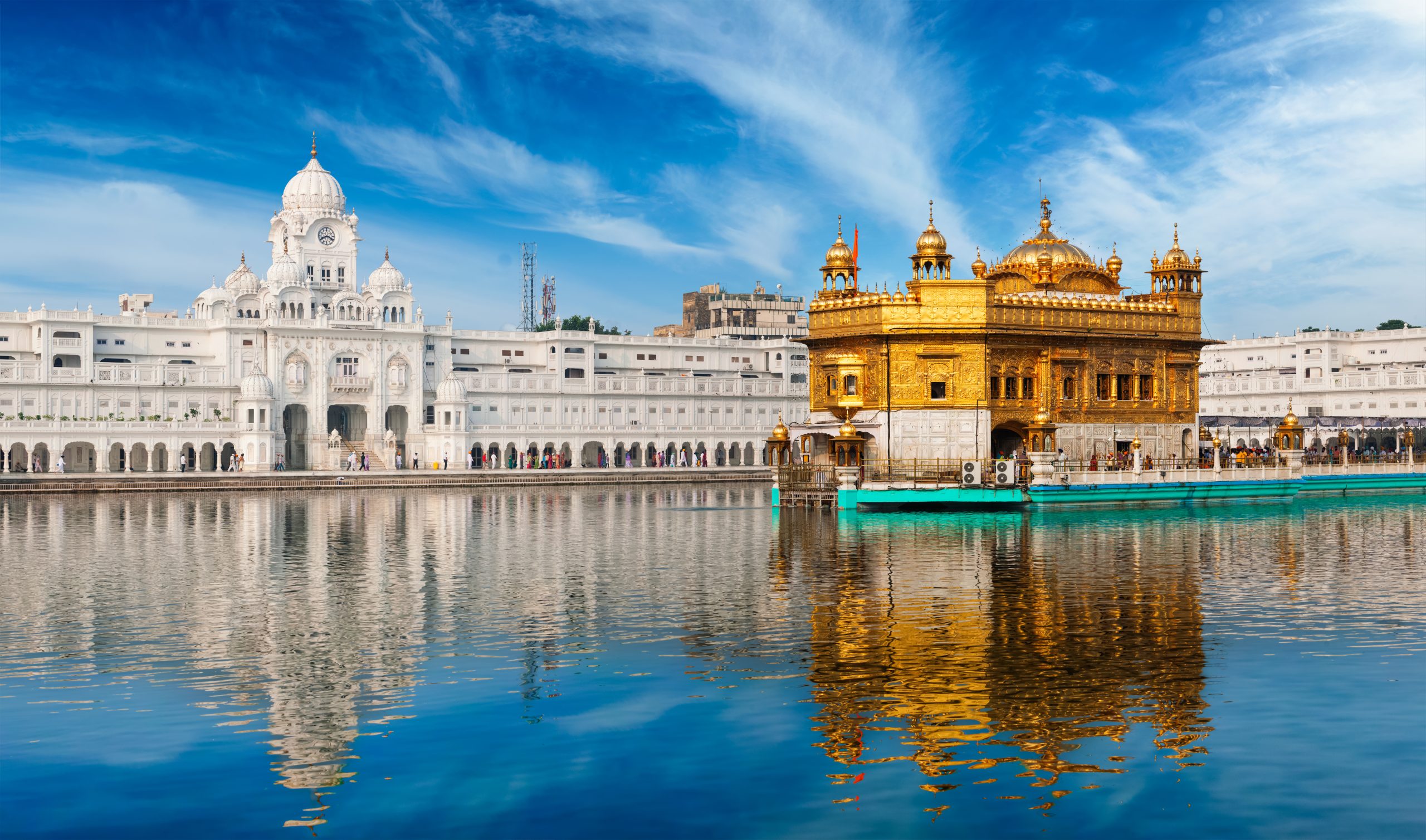
Beautifully representing India’s partition history, northern cultural traditions and delectable cuisines, one should explore Amritsar
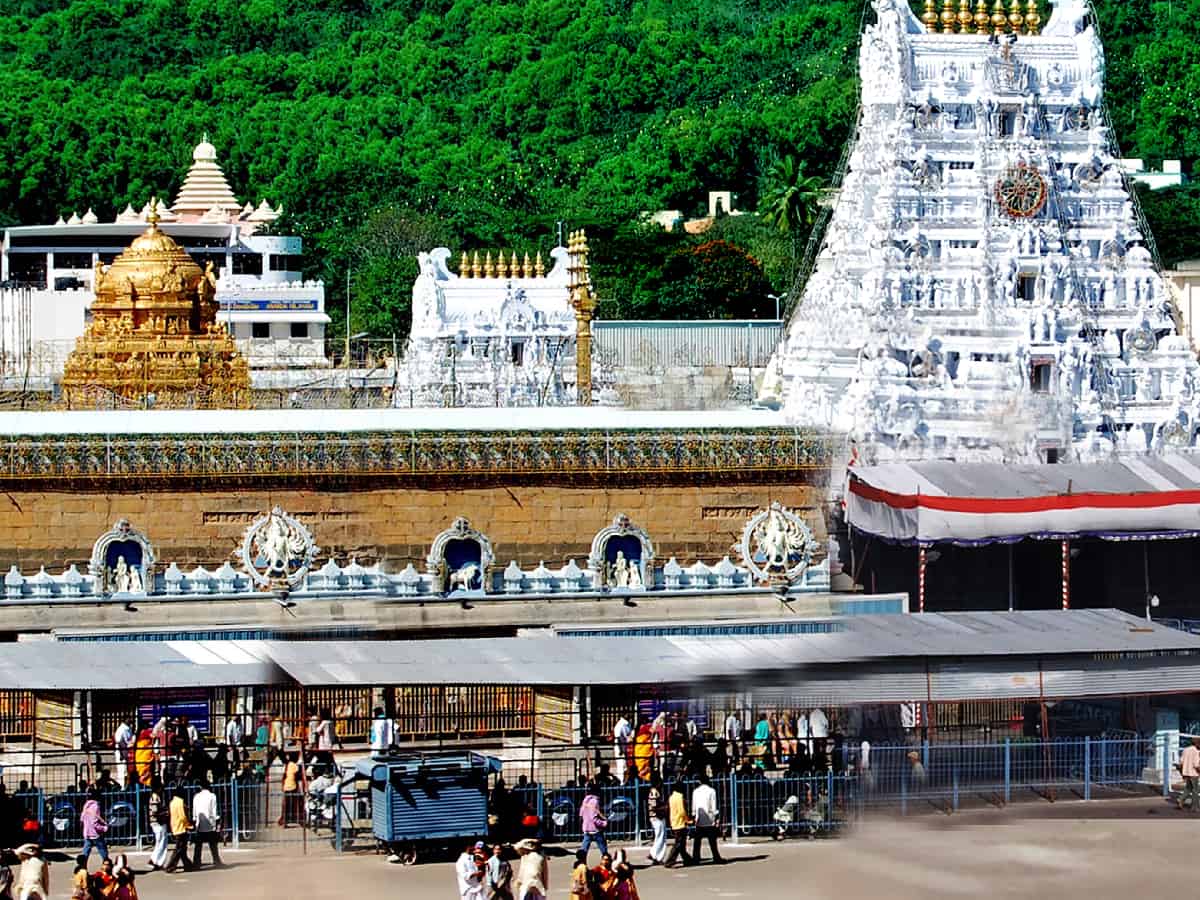
Overlooked by many, Andhra Pradesh is one of India’s most diverse states, home to some underappreciated treasures that can add
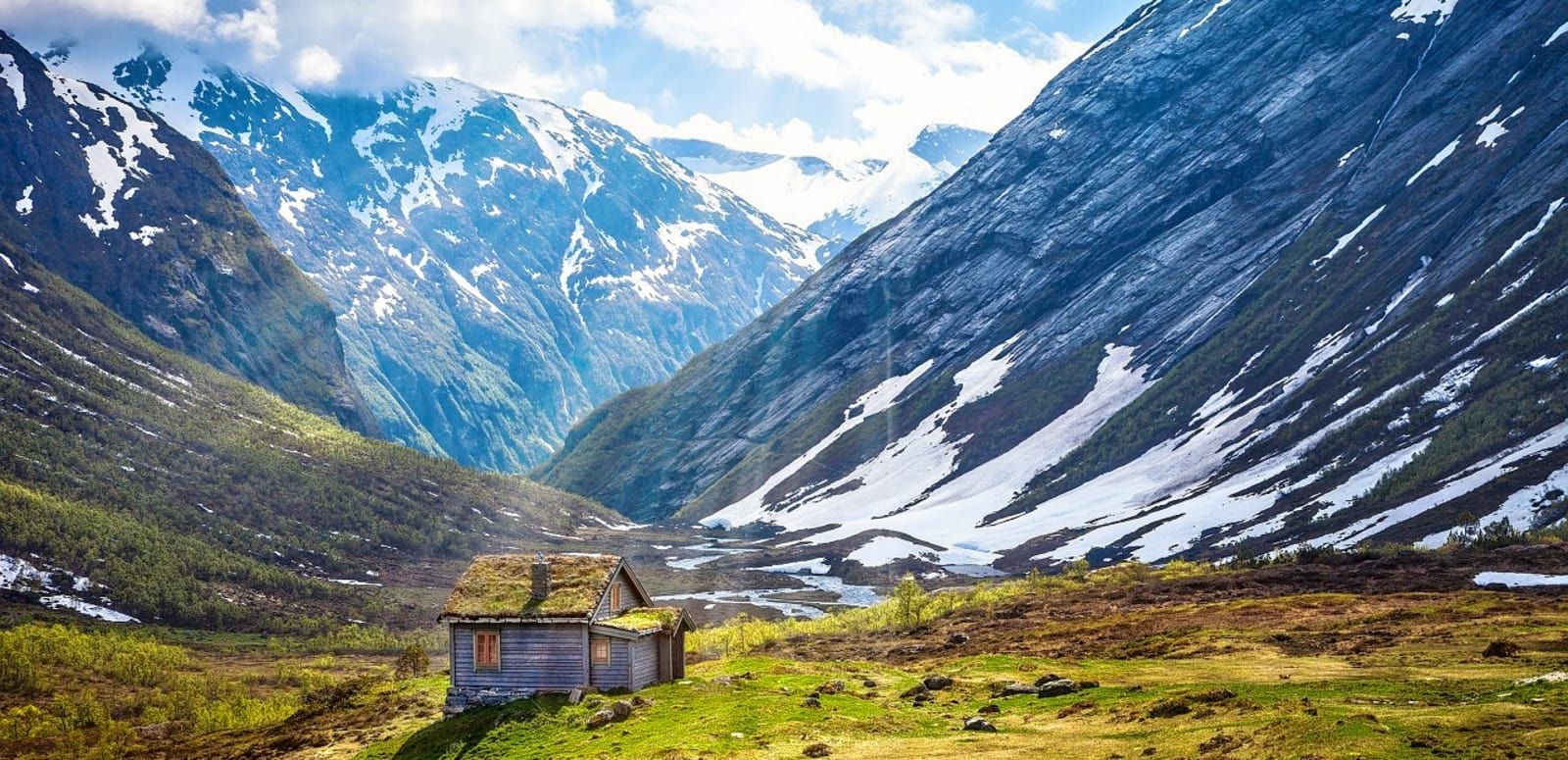
India’s northern region is blessed with the mighty Himalayan range, but only as you explore the states you realize that even the
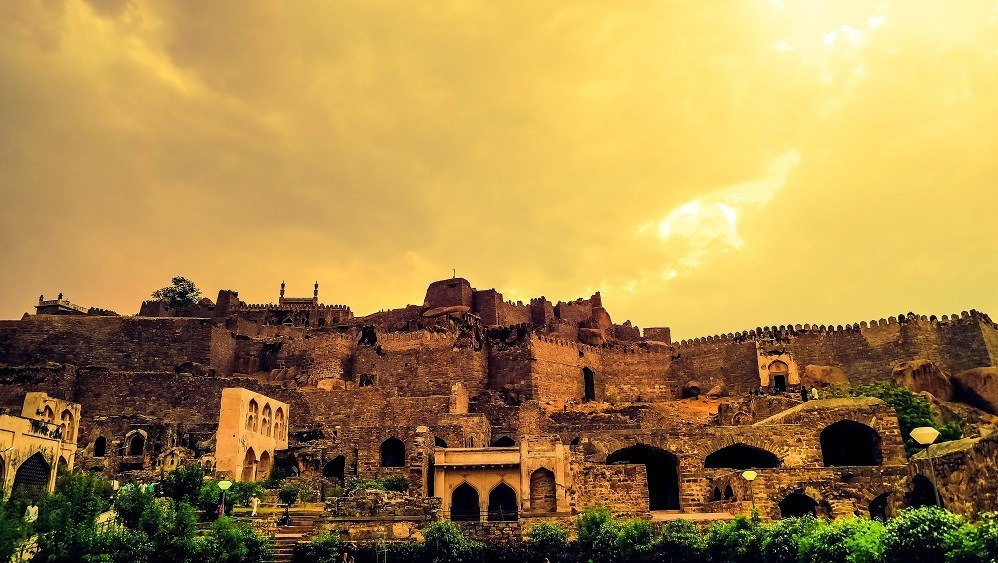
Telangana is a state in southern India. In the capital of Hyderabad, the Charminar is a 16th-century mosque with 4 arches supporting 4 towering minarets
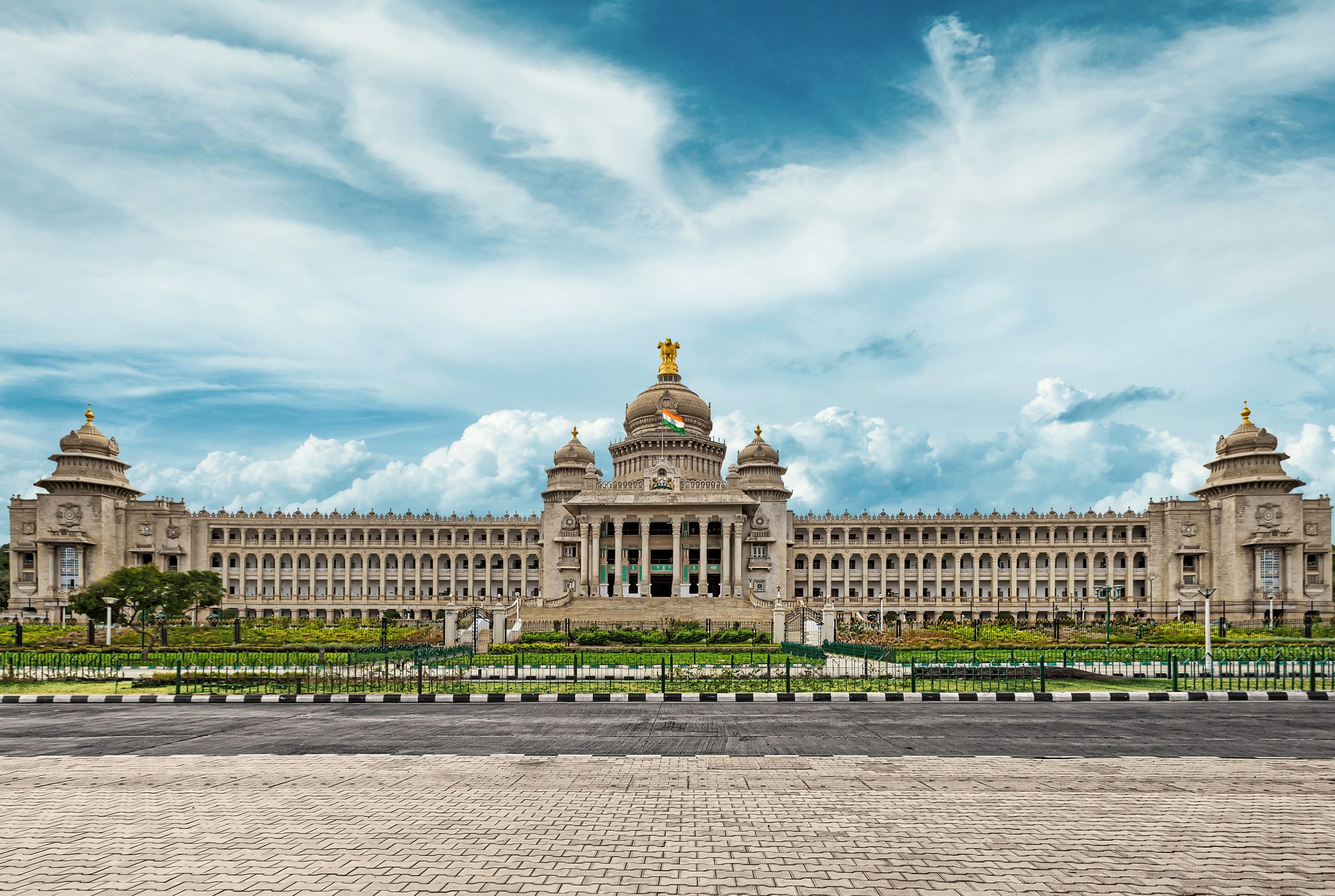
No better title than ‘One State Many Worlds’ to describe the plethora of experiences that this state has to offer. This ancient yet
Titled as ‘Paradise on Earth’, Kashmir offers magnificent beauty that not only leaves one speechless but turns every soul into a
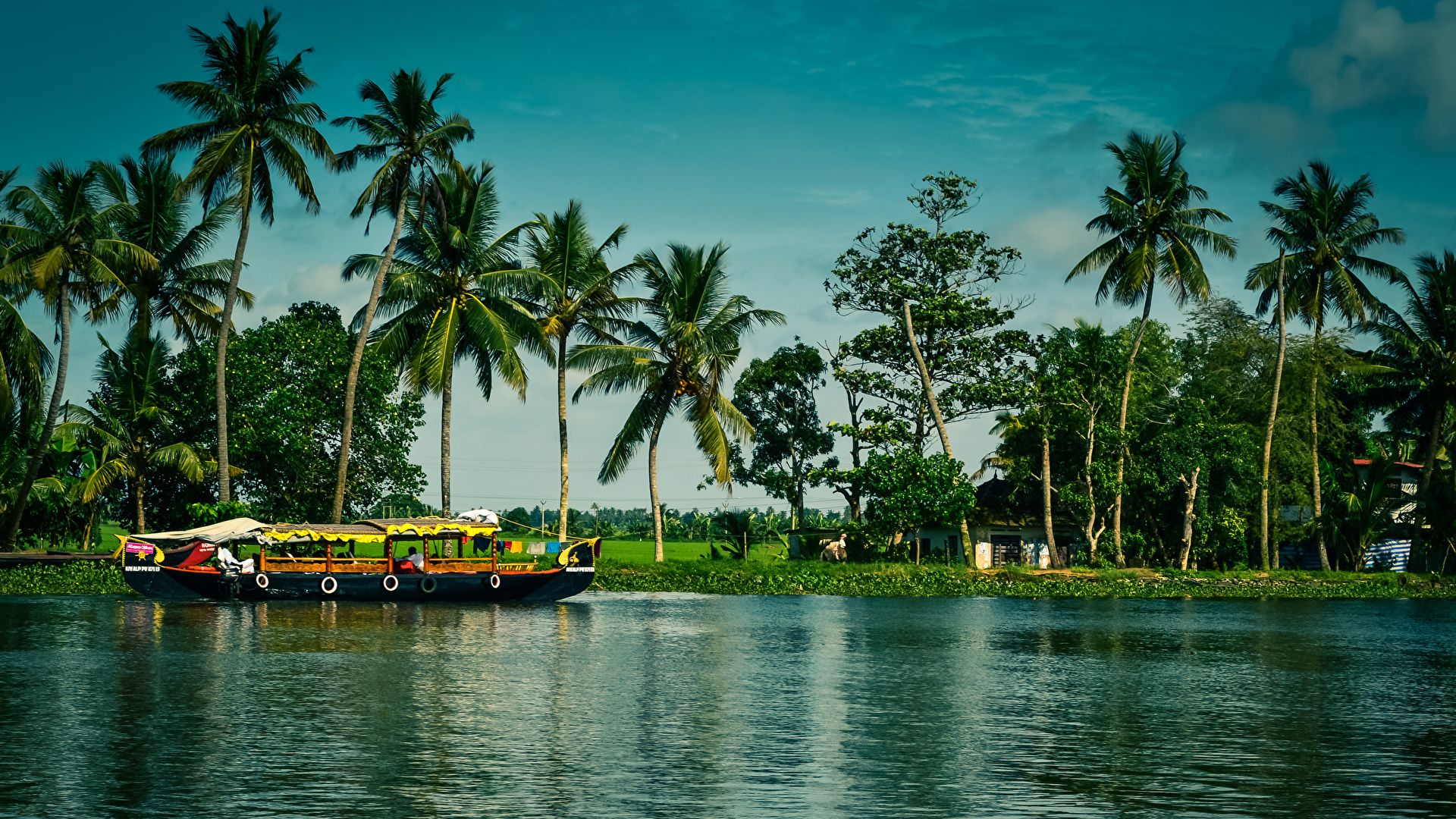
God’s own country, Kerala, is such an enticing destination in terms of an experience that one wonders what to add and what to skip
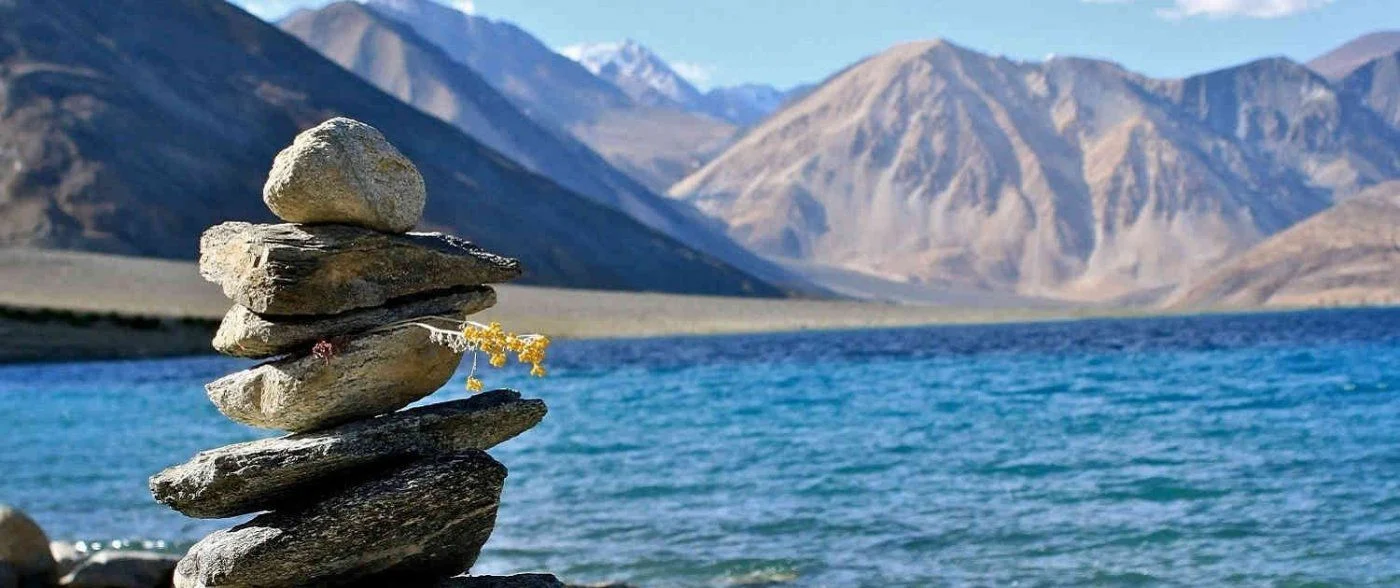
Redefining what breathtaking beauty truly means, Ladakh offers the most stunning views of the Himalayan wilderness, stretching
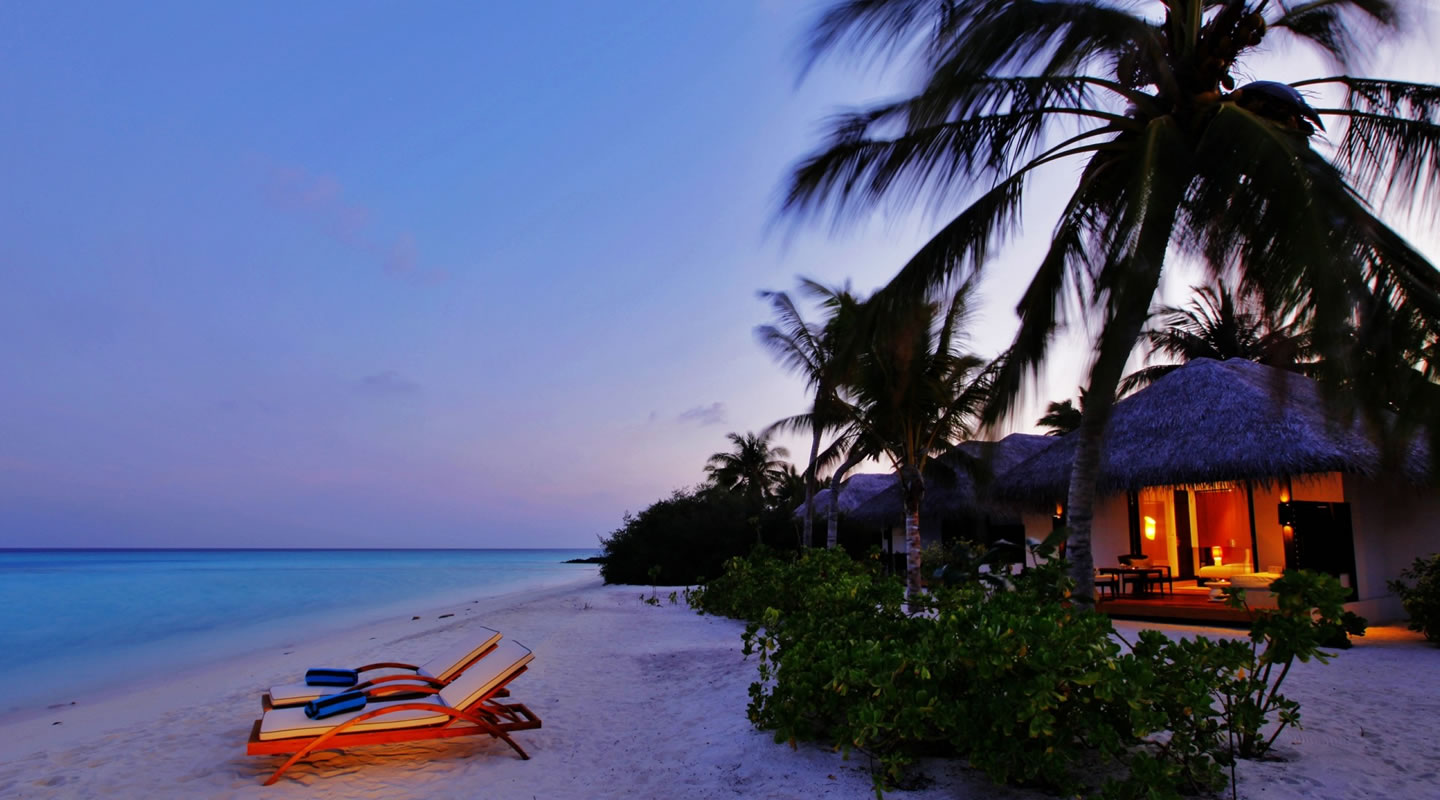
A beautiful set of islands set on the eastern coast of Arabian Sea come together to form India’s smallest union territory, Lakshadweep
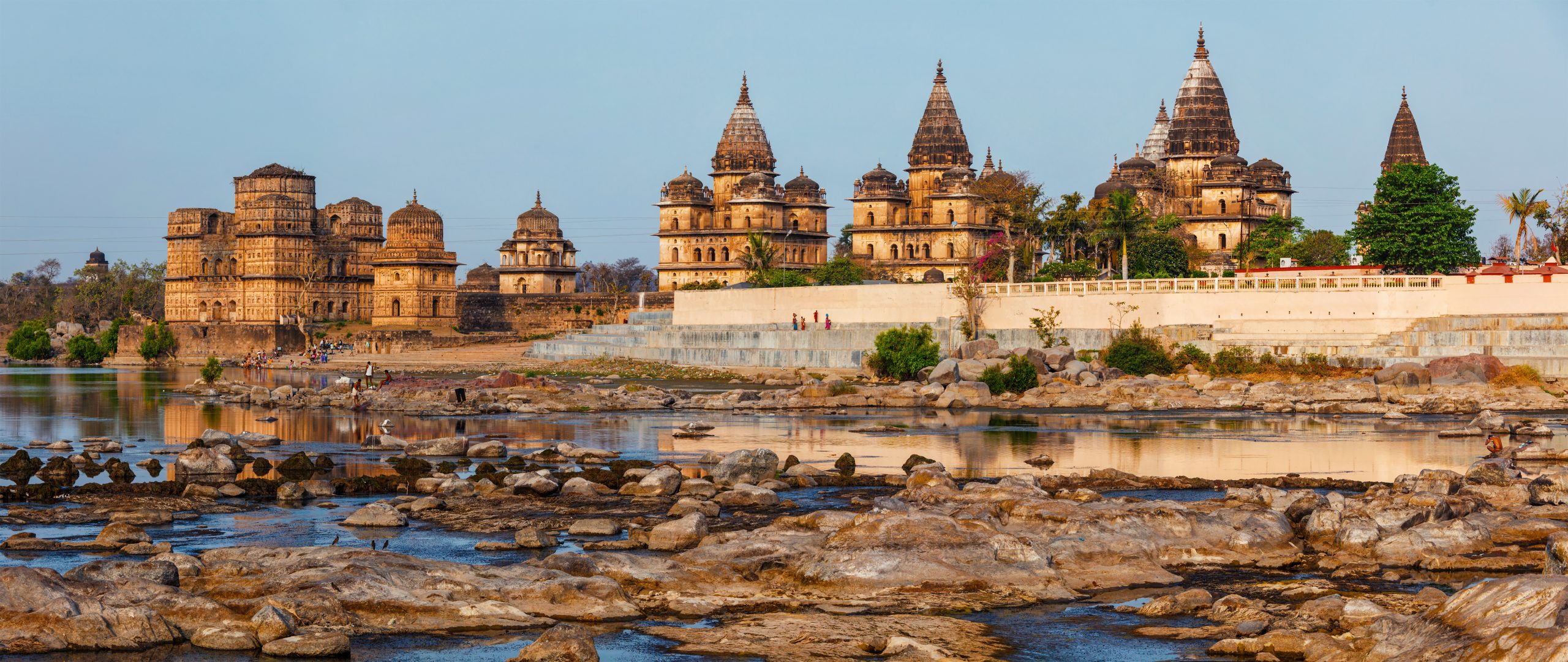
Known to be the heart of India, Madhya Pradesh offers a bouquet of cultural experiences topped with the sparkle of unique landscapes
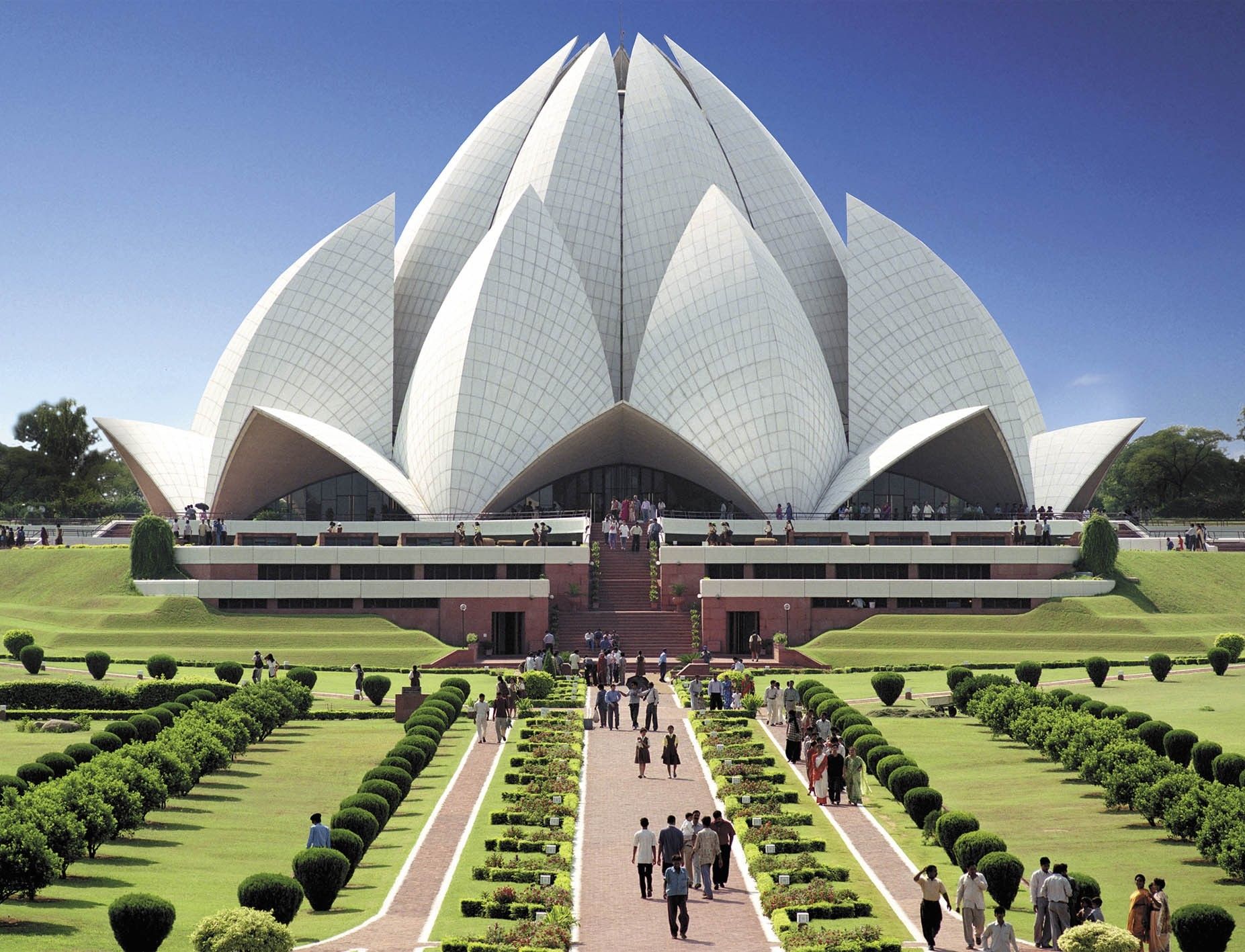
Delhi, the city of garden and park, is the capital and union territory of India. It constitutes two quite distinctive worlds, New Delhi and
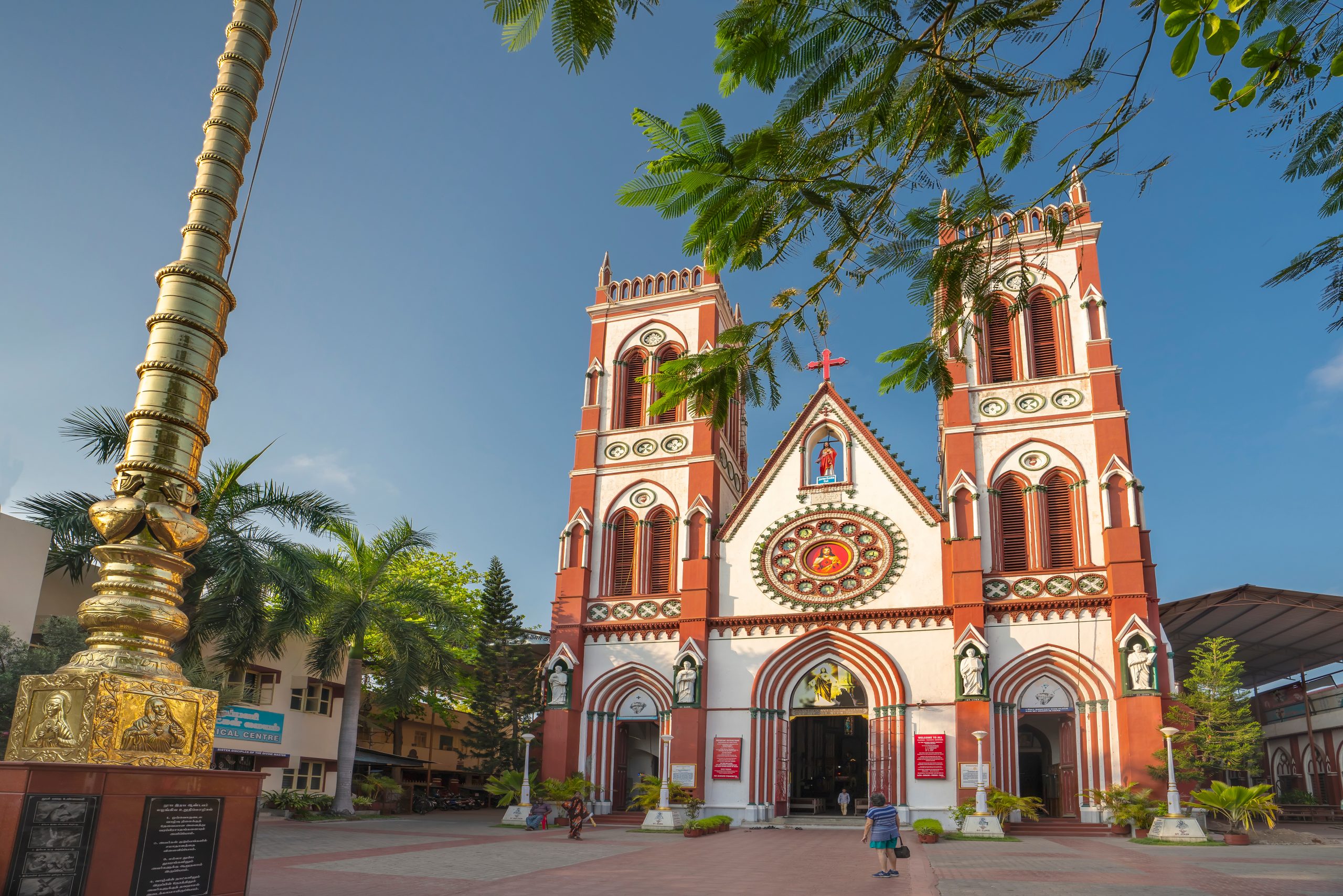
A reminiscent of French culture and architecture, this small town near Chennai is one of Tamil Nadu’s top destinations among travellers.
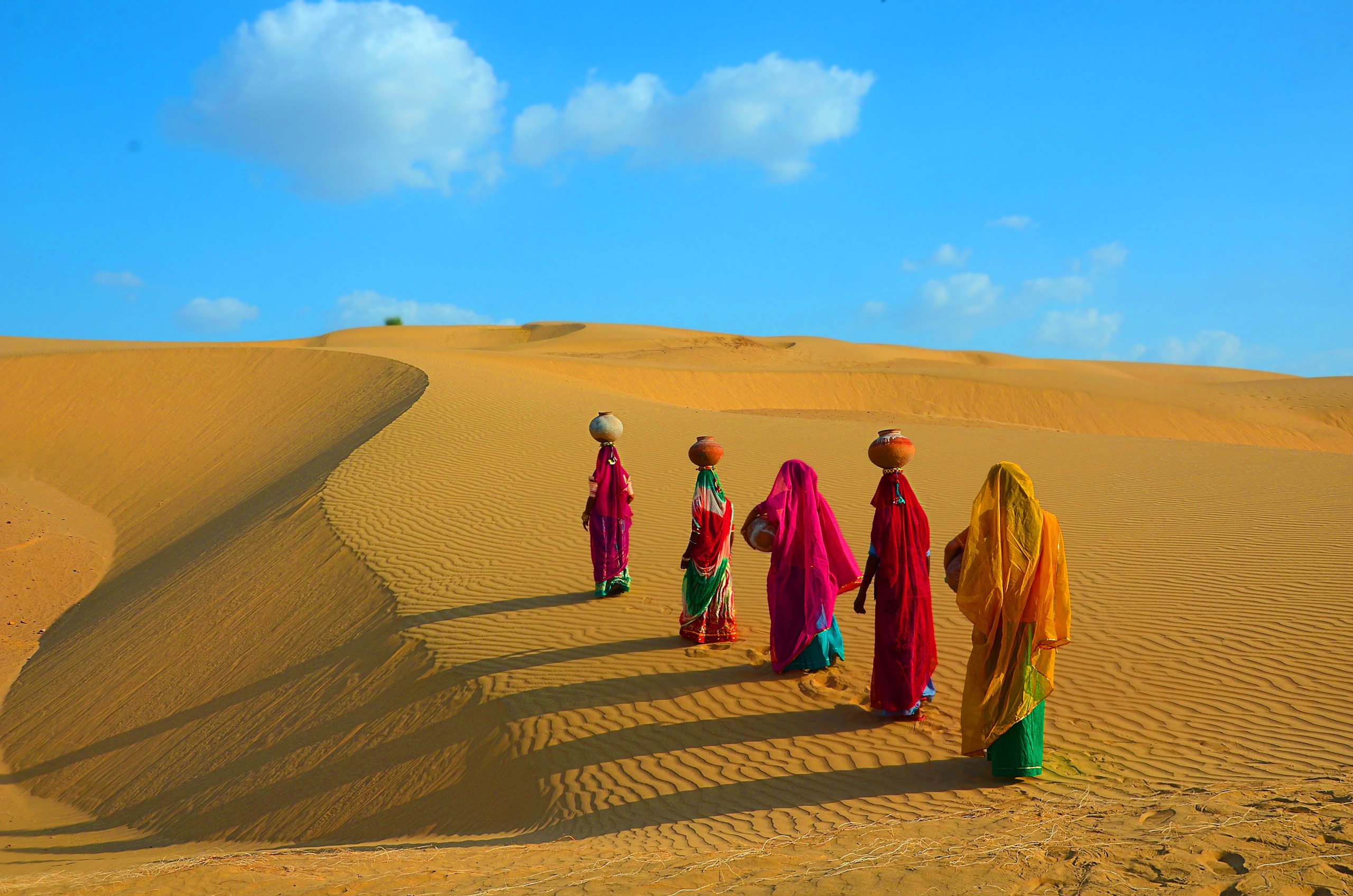
This incredible state of India, said to be the Land of Kings offers great history, vibrant culture, prolific wildlife and amazing hospitality.
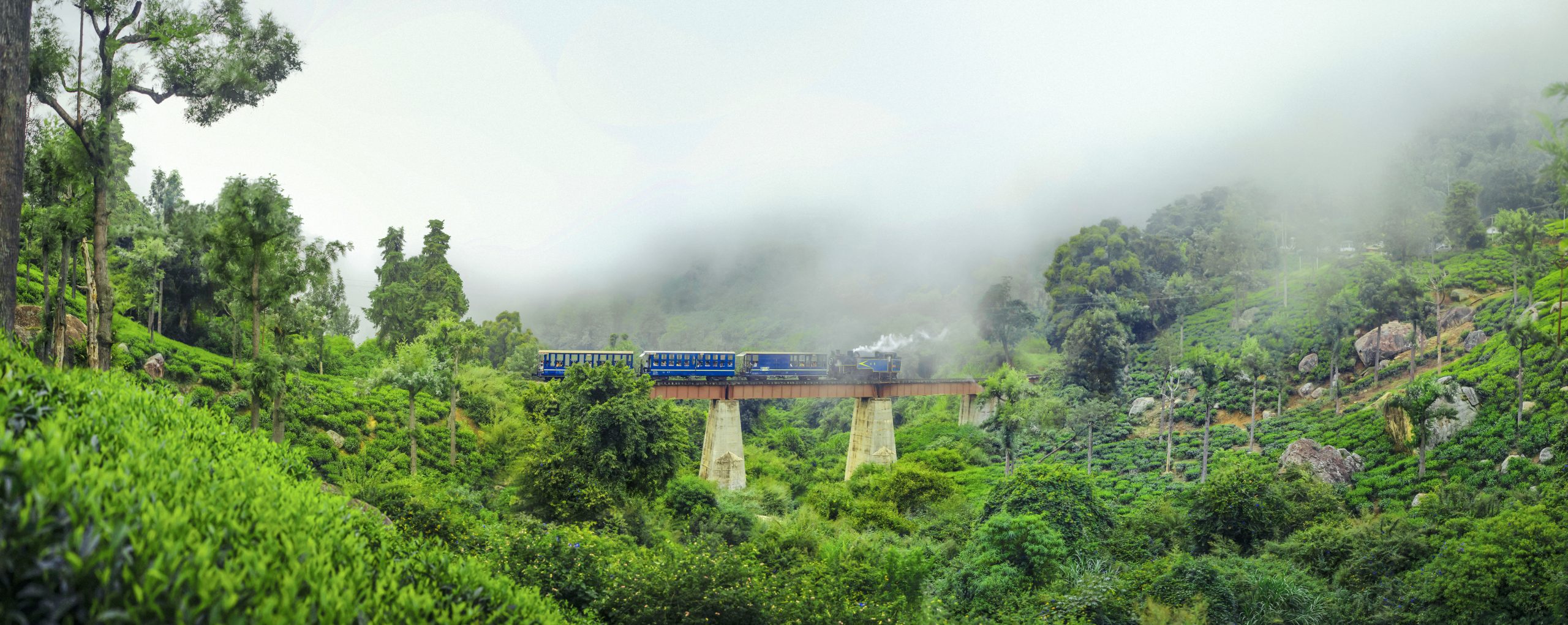
India, known for its cultural beauty, surprises you through every state, city, district, corner. One such gem showcasing the diversity of South India
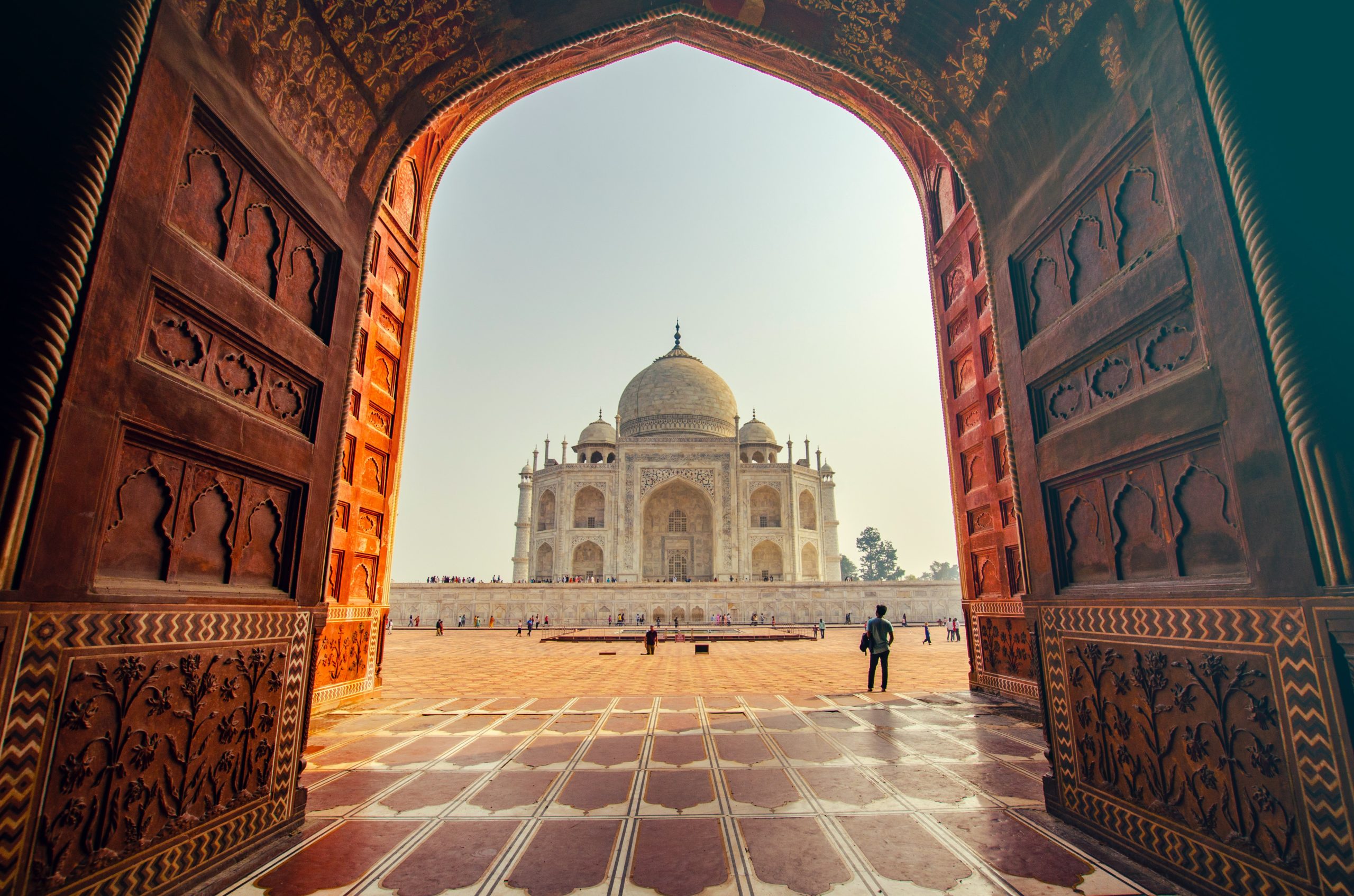
Situated right in the centre of India, Uttar Pradesh is home to some of the most ancient cities that have shaped a distinctive culture
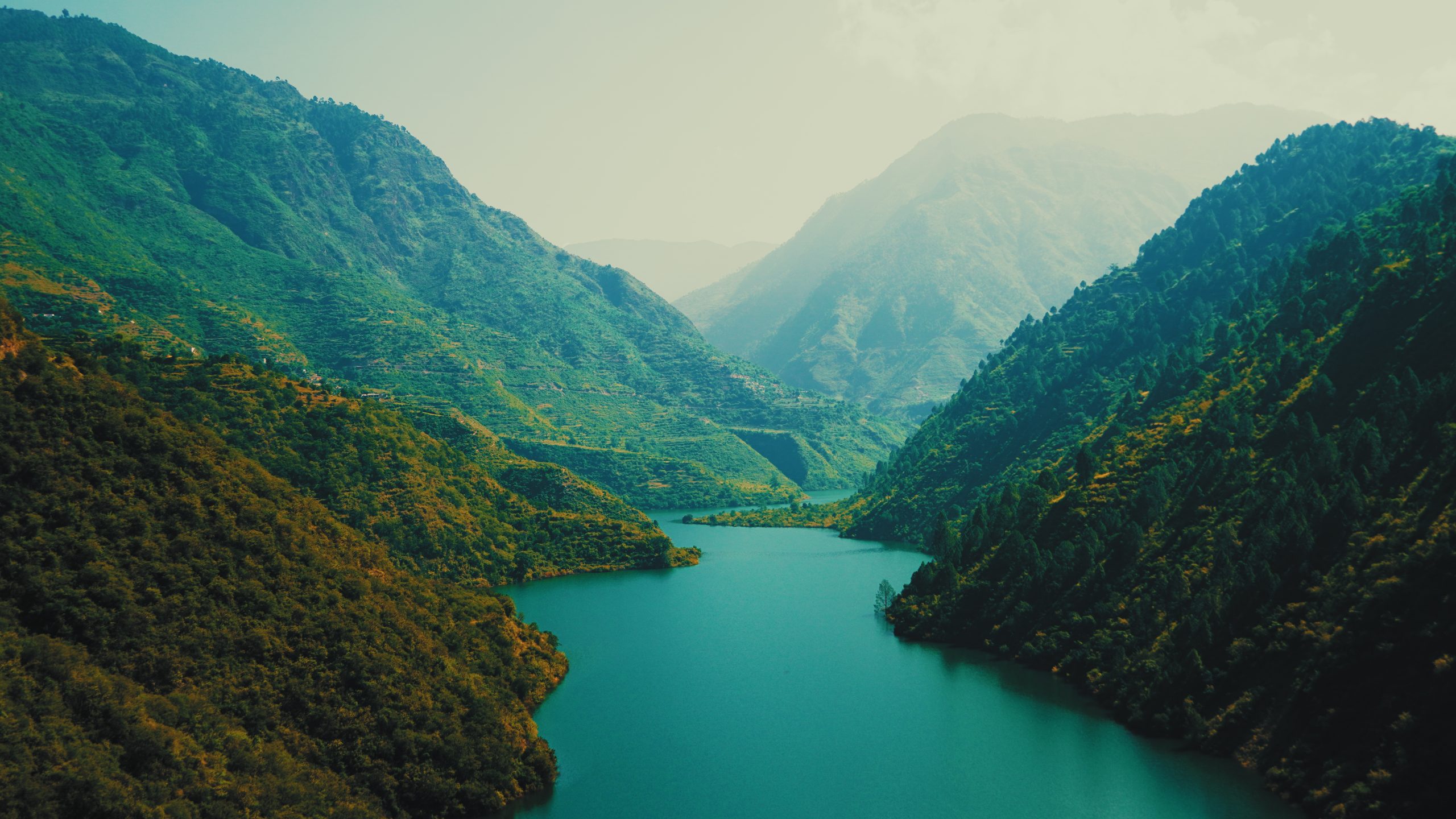
opularly known as the ‘Devbhumi’ or ‘Land of the Gods’, Uttarakhand is a prominent pilgrimage destination with abundant natural beauty. Home to the two sacred
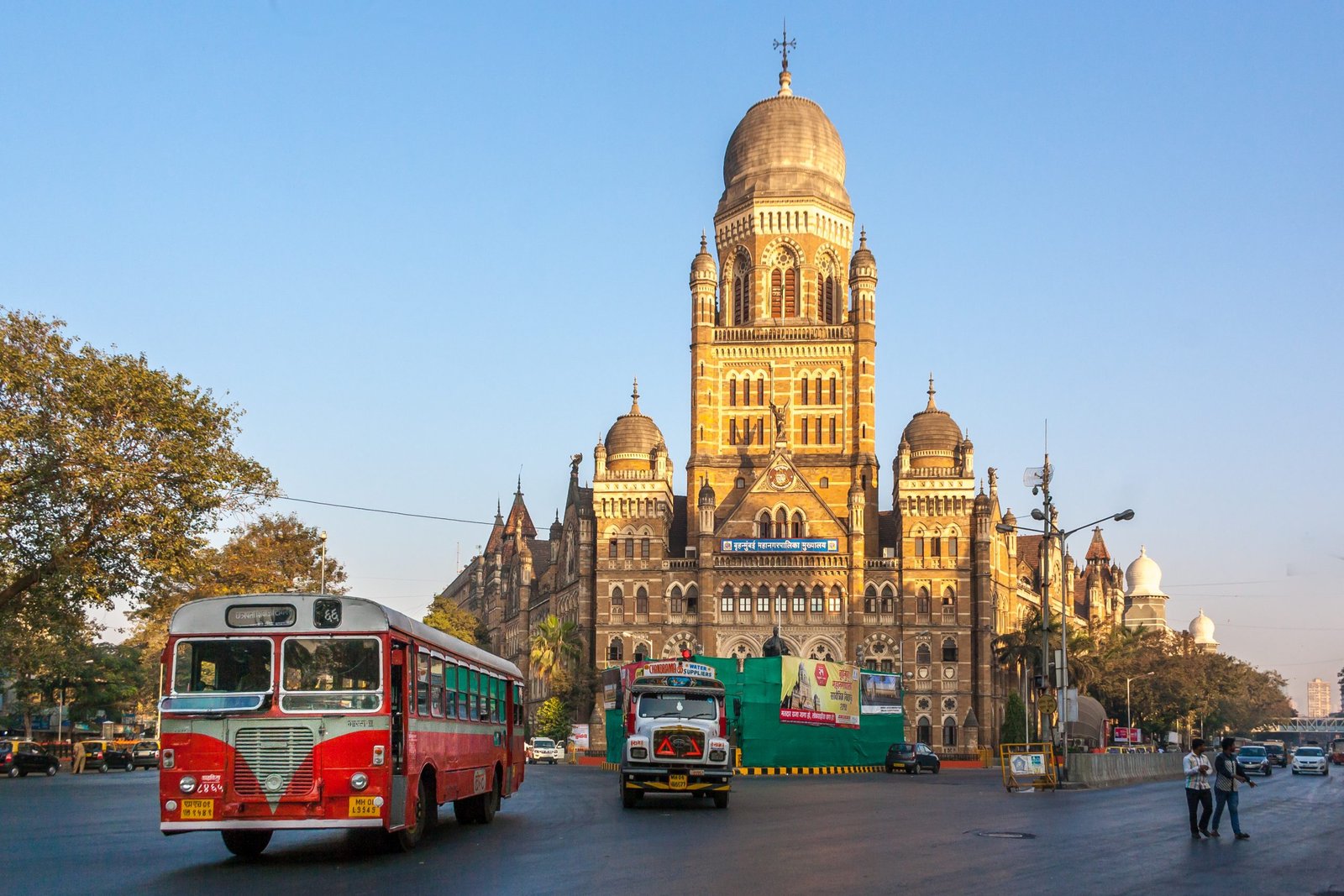
Arising from a vibrant history, the naturally blessed state of Maharashtra is home to a broad range of historic sites, national parks and cultural legacy.
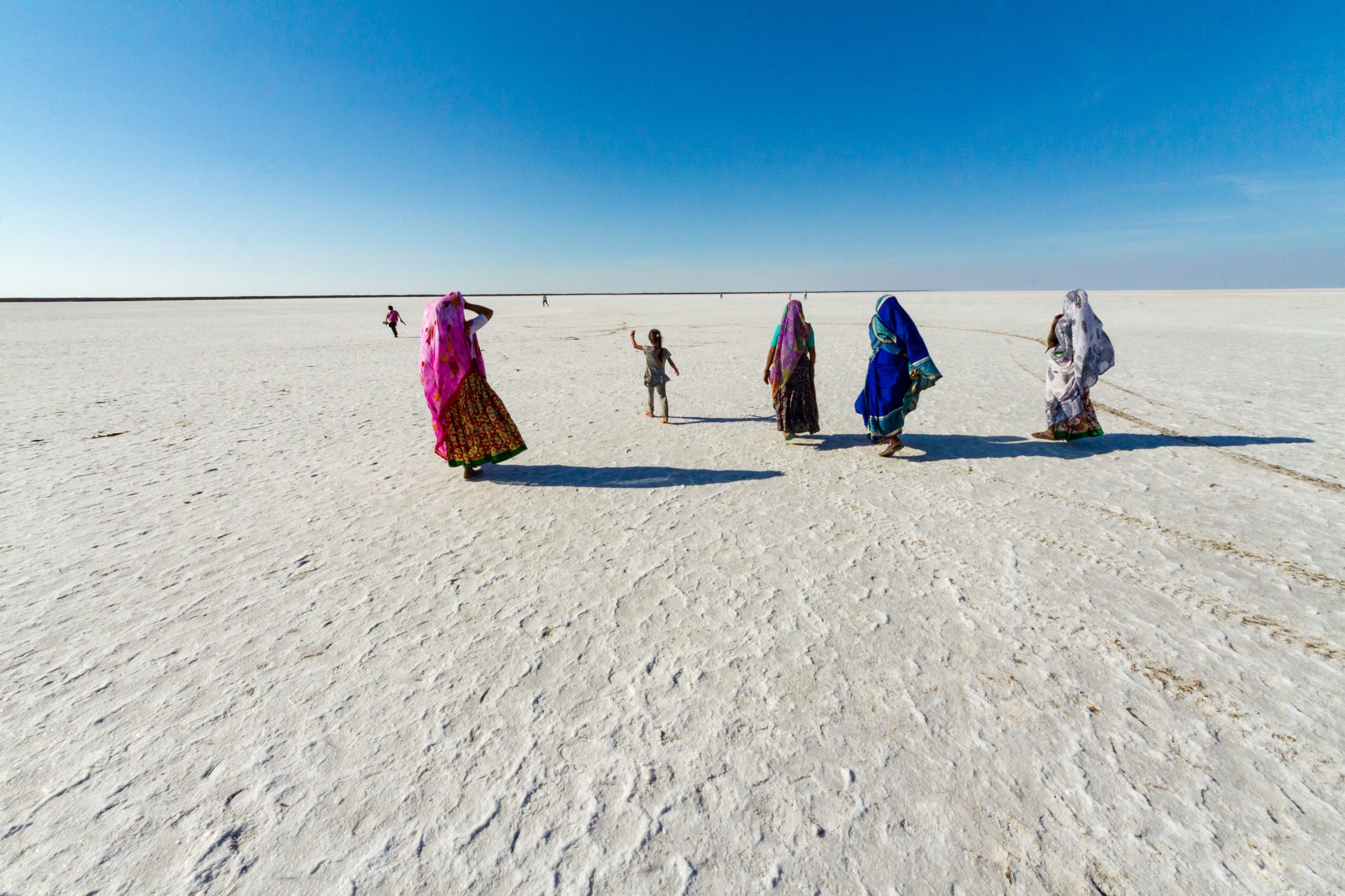
The westernmost state of the country, bordering Pakistan has a varied landscape ranging from the forests of Gir to the hills of Diu and the white sand
Topped as one of the country’s favourite holiday destinations, everyone travelling to India is either planning a trip to Goa or has already added a thoroughly
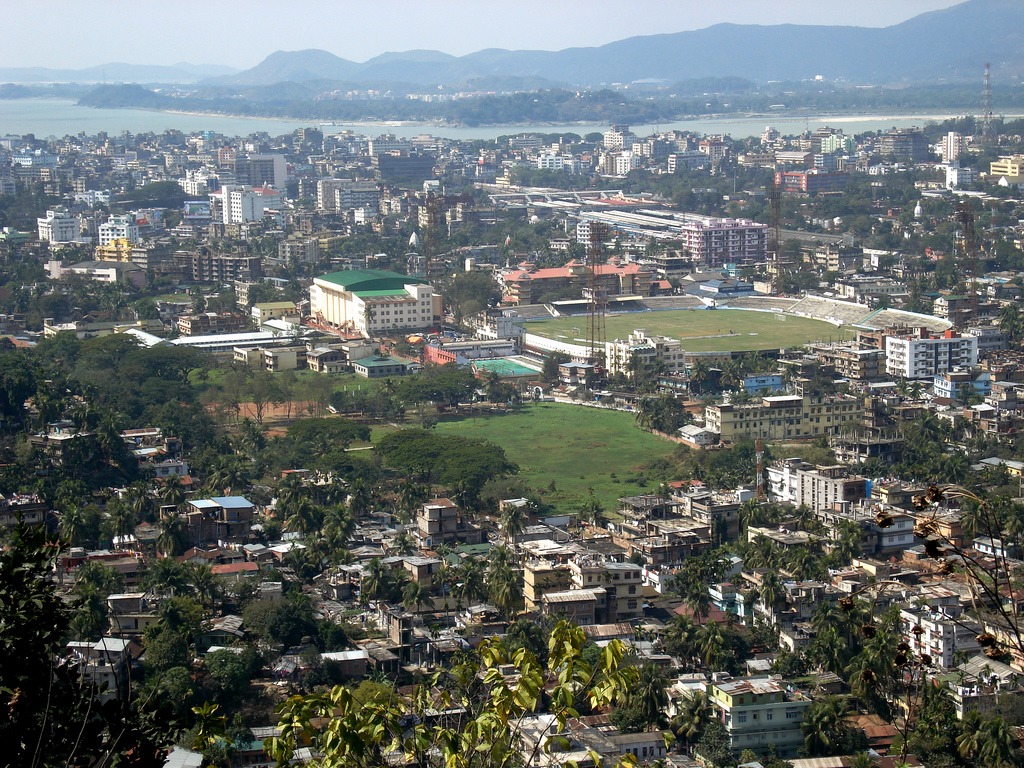
This east Indian state bordered by Uttar Pradesh, West Bengal, Jharkhand and Nepal is said to be the birthplace of Buddha. Situated on the Gangetic plains
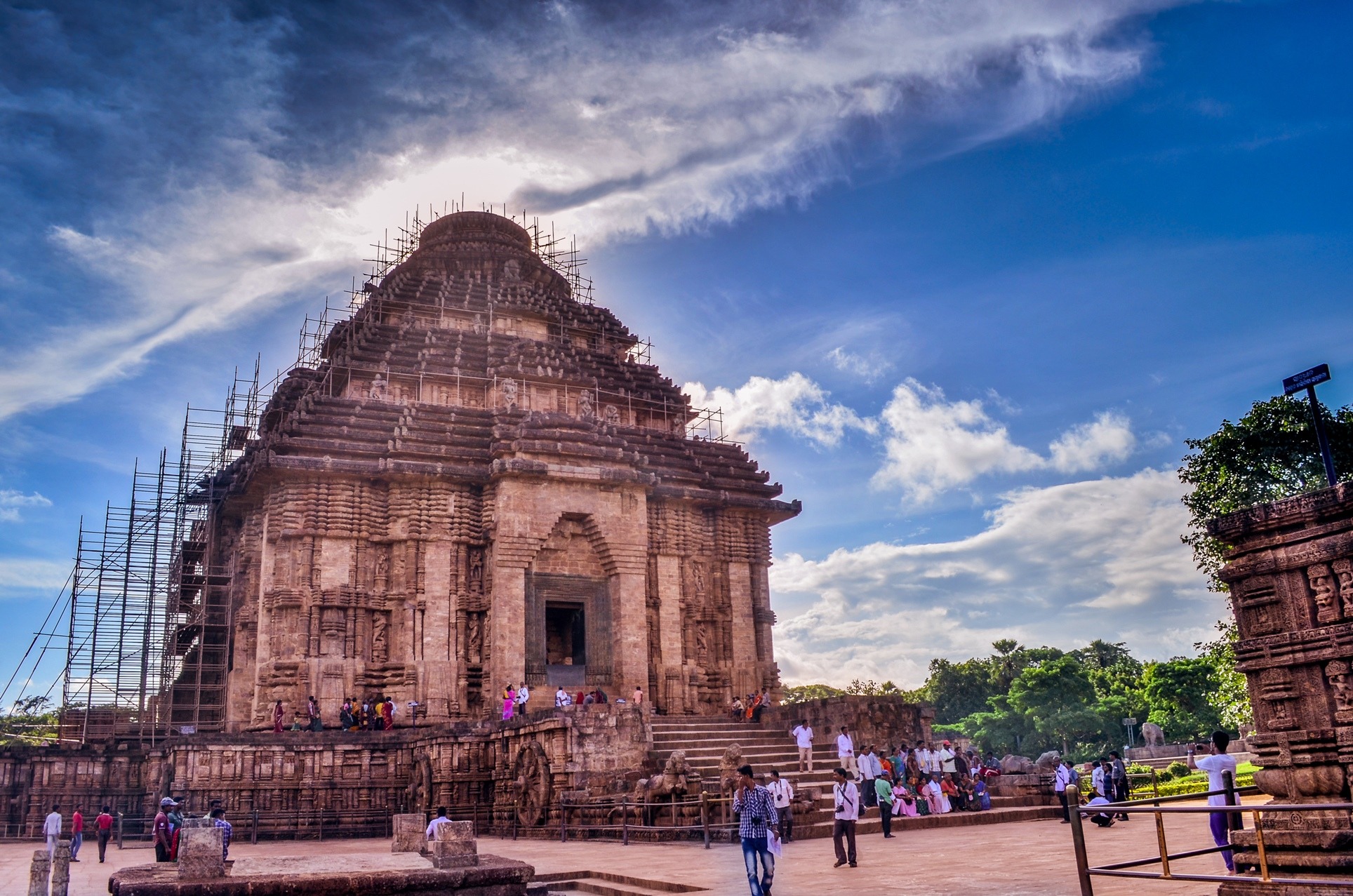
Odisha is known to be the land of myriad marvels as the state boasts of more than 20,000 temples with historic culture. While the state has previously
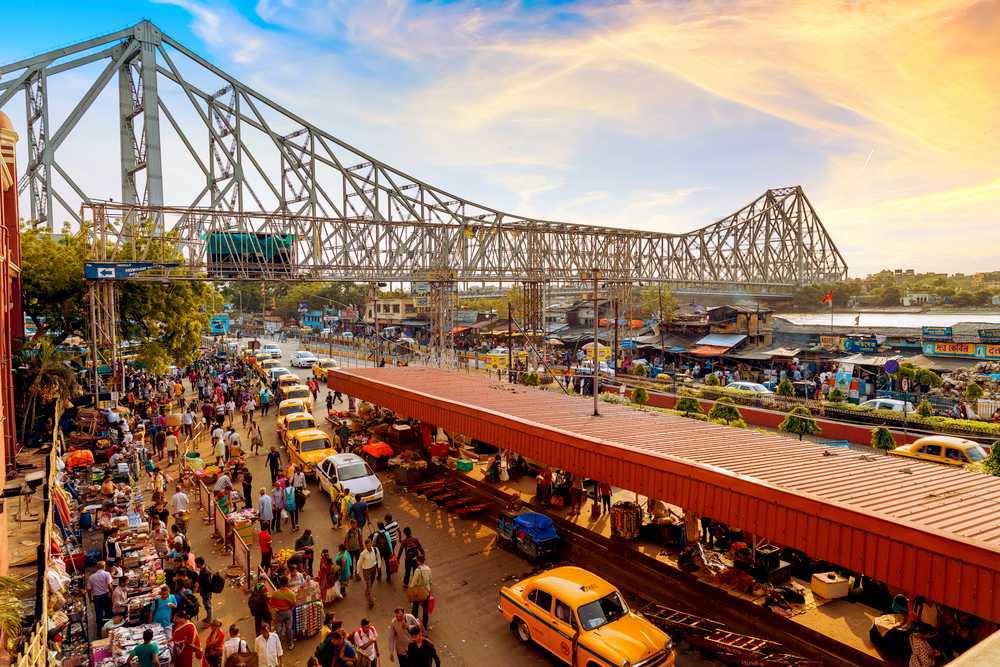
Titled the, ‘Sweetest part of India,’ West Bengal comprises stunning landscapes, majestic forests, coastal beauty, rich history and the unspoiled Sunderbans.
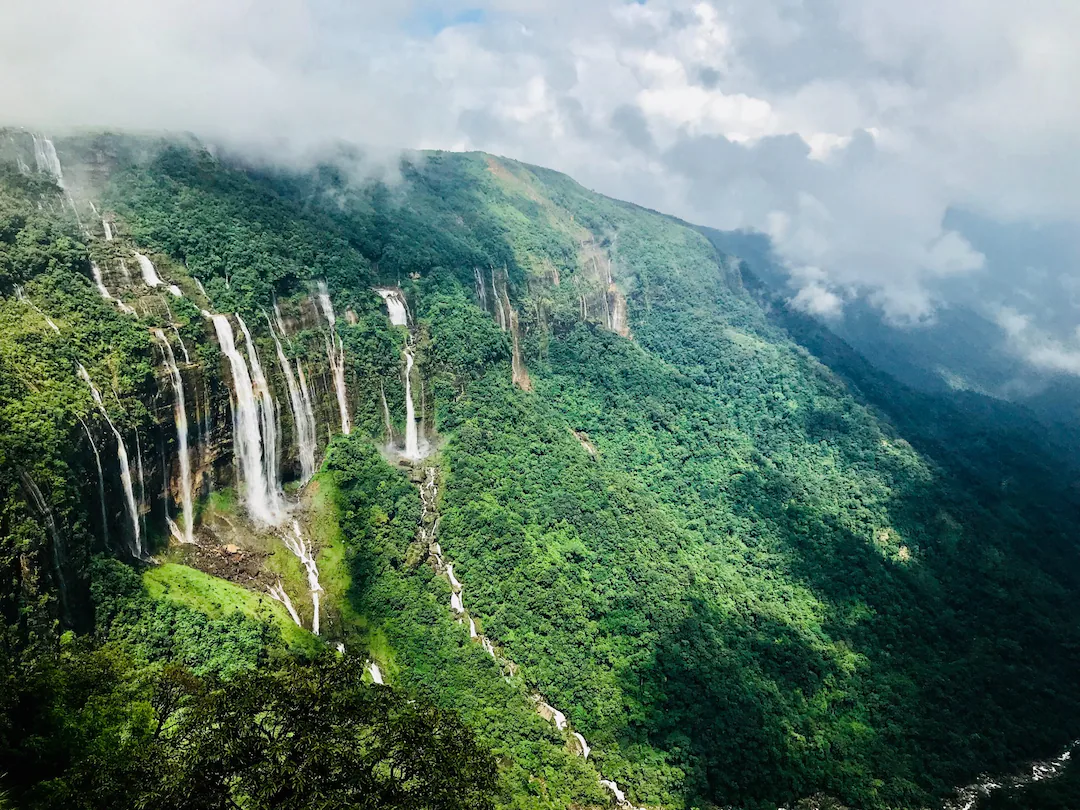
India is such a vast and beautiful country with so many options for travelling that one might feel confused as to what to see and what to miss. No matter
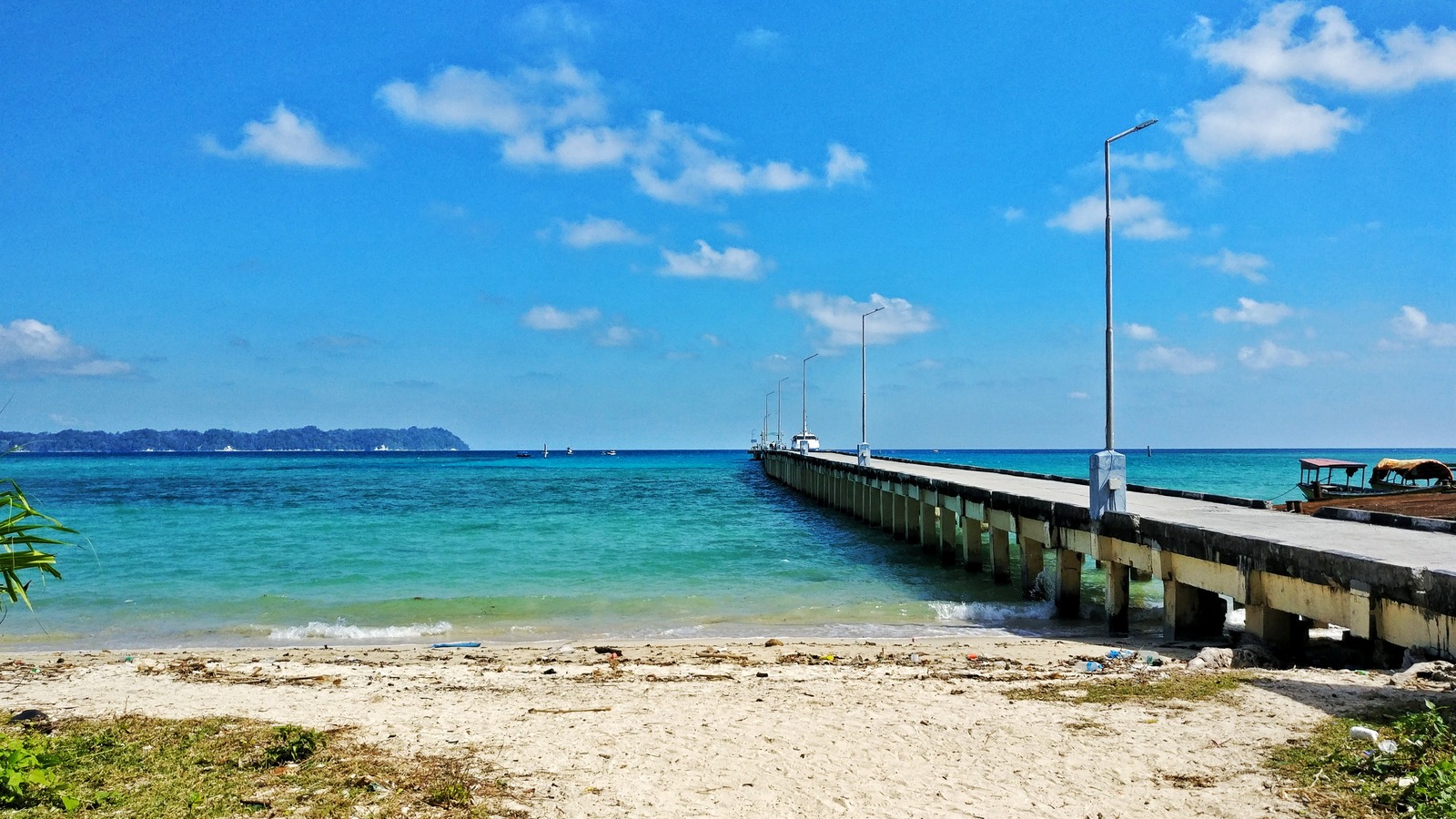
Andaman and Nicobar Islands in the Bay of Bengal on the eastern side is another lesser explored destination of the country. The 572-island archipelago is a
917,9th Floor, Tower-A, Nextra-The Address, Plot No. 4B, District Centre, Mayur Vihar Ph-1 Extension, New Delhi-110091
+91 11 43519903/ 43519904
info@ercotravels.com