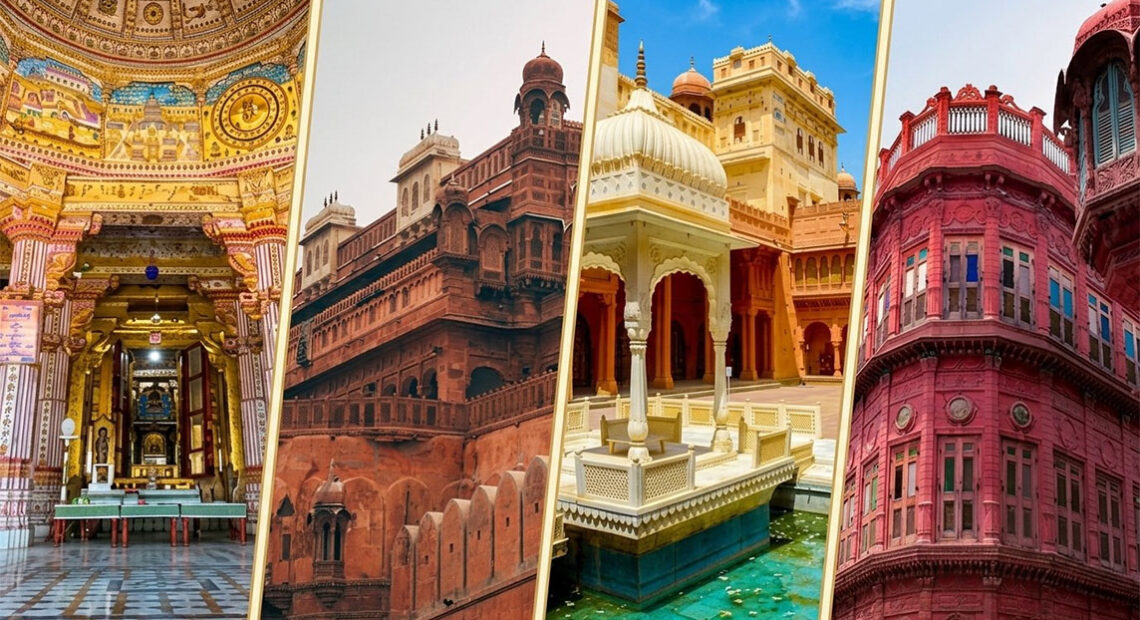
Are you planning a Rajasthan holiday and searching for the best places to visit in Bikaner? Known for its magnificent forts, royal palaces, ancient temples, traditional havelis, and fascinating desert culture, Bikaner is one of the most interesting destinations in Rajasthan. This historic city offers a wonderful opportunity to discover the architectural beauty, cultural traditions, and royal heritage of India’s desert region.
Founded by Rao Bika in 1488, Bikaner developed into an important princely state and a major centre of trade, culture, and architecture. Today, the city attracts travellers who want to explore its historical monuments, experience traditional Rajasthani hospitality, enjoy local food, and discover unique attractions beyond the popular tourist destinations.
From the impressive Junagarh Fort to the famous Karni Mata Temple in Deshnok, Bikaner offers memorable experiences for history lovers, families, photographers, and adventure enthusiasts. Its beautiful red sandstone architecture, colourful markets, and traditional desert landscapes make it an excellent destination for a Rajasthan sightseeing tour.
In this travel guide, we explore the 15 best places to visit in Bikaner, along with exciting activities, local food experiences, travel tips, and a suggested itinerary to help you plan an unforgettable trip.
Discover the Timeless Charm of Bikaner
Bikaner is one of Rajasthan’s most fascinating destinations, offering a remarkable blend of royal heritage, architectural beauty, cultural traditions, and desert experiences. Every corner of this historic city reflects its glorious past, making it an exciting destination for travellers seeking something beyond ordinary sightseeing.
From magnificent forts and beautifully decorated havelis to ancient temples and colourful local markets, Bikaner offers countless opportunities to explore Rajasthan’s traditional lifestyle. The city’s historic streets reveal fascinating architectural details, while its vibrant markets showcase local handicrafts, textiles, and famous regional delicacies.
What makes Bikaner truly special is its authentic desert atmosphere and distinctive cultural identity. Visitors can discover centuries-old monuments, experience traditional hospitality, explore camel-related attractions, and enjoy delicious Rajasthani cuisine.
Whether you are travelling with family, planning a heritage holiday, or exploring Rajasthan for the first time, Bikaner promises memorable experiences filled with history, culture, and unforgettable discoveries.
15 Best Places to Visit in Bikaner
1. Junagarh Fort

Junagarh Fort is one of the most impressive historical monuments and among the best places to visit in Bikaner. Built during the reign of Raja Rai Singh in the late 16th century, the fort represents the architectural brilliance and royal history of the Bikaner kingdom.
Unlike many Rajasthan forts constructed on hilltops, Junagarh Fort stands on relatively flat ground. Its impressive defensive walls, massive gates, beautiful courtyards, and magnificent palaces create a remarkable architectural complex.
Inside the fort, visitors can discover several beautifully decorated palace sections featuring elaborate paintings, mirror work, carved marble, and ornamental ceilings. Anup Mahal, Phool Mahal, and Karan Mahal are particularly interesting for their artistic details and historical significance.
The fort also houses a museum containing royal artefacts, historical objects, weapons, paintings, and other items associated with the region’s royal heritage.
Walking through Junagarh Fort offers an opportunity to understand the lifestyle of Bikaner’s former rulers while appreciating the craftsmanship of traditional Rajasthani architecture.
Why visit: Historical architecture, royal palaces, museums, photography, and cultural heritage.
Travel tip: Allocate approximately two hours to explore the fort comfortably. Check current visiting hours and ticket information before arrival.
2. Karni Mata Temple, Deshnok
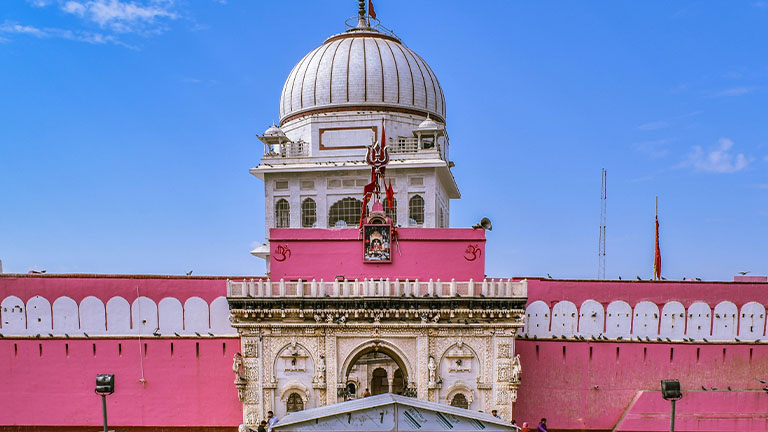
Karni Mata Temple is one of the most unusual and fascinating religious attractions near Bikaner. Located in Deshnok, approximately 30 kilometres from the city, this temple is dedicated to Karni Mata, who is revered by devotees as an incarnation of Goddess Durga.
The temple is widely known as the Rat Temple because thousands of rats, locally called kabas, live freely within its premises. These animals are considered sacred by devotees and receive special care and offerings.
The temple’s architectural beauty is equally impressive. Its marble facade, decorative silver doors, and intricate carvings create a distinctive religious atmosphere.
Visitors can observe traditional worship practices, learn about local beliefs, and appreciate the temple’s unique cultural significance. It is important to respect religious customs and follow the instructions provided by temple authorities.
Karni Mata Temple is especially popular among travellers interested in religious traditions and unusual cultural experiences.
Why visit: Religious heritage, unique traditions, marble architecture, and cultural exploration.
Travel tip: Visit during comfortable morning hours, dress respectfully, and follow temple guidelines regarding footwear and photography.
3. Rampuria Havelis
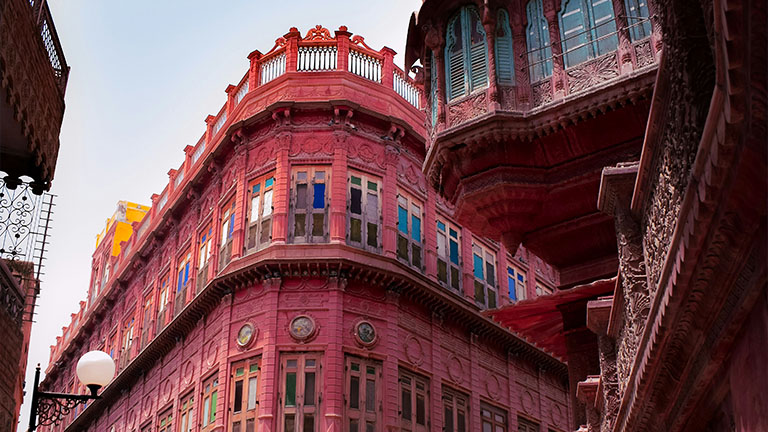
Rampuria Havelis are among the most beautiful architectural landmarks in Bikaner. These historic merchant mansions are famous for their elaborate facades, decorative balconies, intricate carvings, and impressive red sandstone construction.
The havelis reflect the prosperity of Bikaner’s merchant communities during earlier centuries. Their architectural designs combine traditional Rajasthani elements with influences from other artistic styles.
Walking through the surrounding streets allows visitors to admire beautifully carved windows, ornamental pillars, elegant entrances, and decorative architectural features.
Rampuria Havelis are particularly popular among photography enthusiasts because of their striking appearance and historical atmosphere.
Although the exterior architecture can generally be appreciated from public streets, many interiors are private properties. Visitors should respect residents’ privacy and avoid entering buildings without permission.
Why visit: Heritage architecture, photography, traditional craftsmanship, and historic streets.
Travel tip: Explore the area during daylight for better photography and visibility of architectural details.
4. Lalgarh Palace
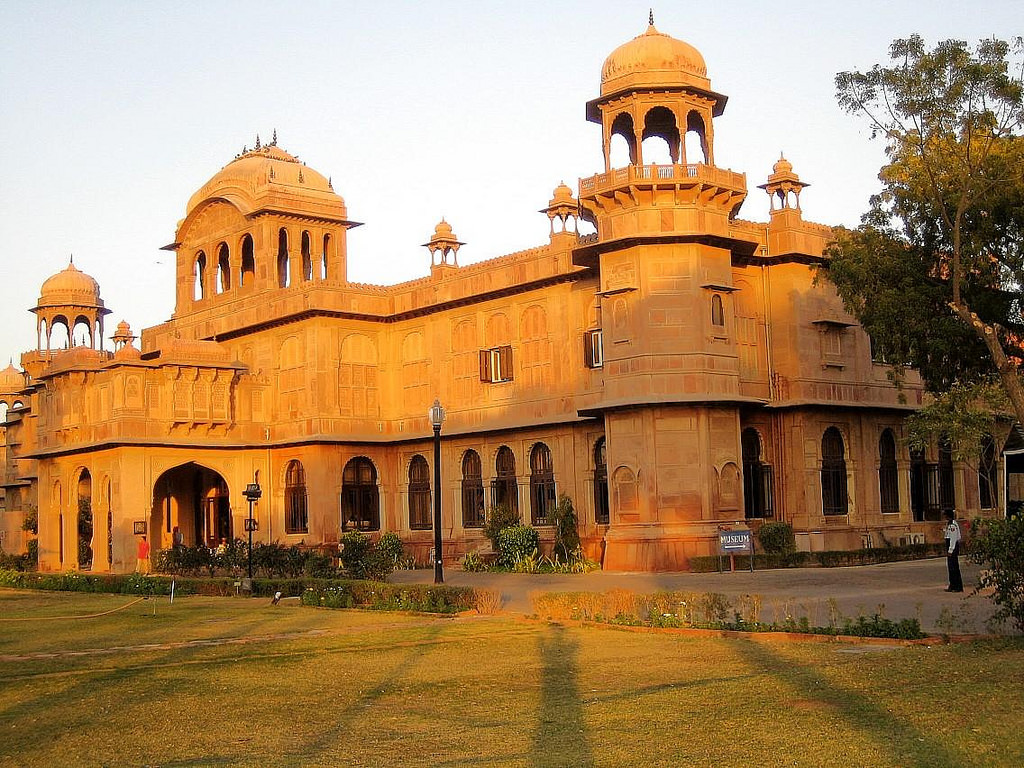
Lalgarh Palace is a magnificent royal building associated with Maharaja Ganga Singh. Constructed during the early 20th century, the palace showcases a distinctive combination of Rajput, Mughal, and European architectural influences.
The building is particularly famous for its red sandstone construction, impressive corridors, decorative balconies, elegant gardens, and intricate architectural details.
Parts of Lalgarh Palace have been converted into a heritage hotel, allowing guests to experience royal-style hospitality in a historic setting. The palace complex also has museum-related attractions that provide insights into Bikaner’s royal history.
Visitors interested in architectural design and heritage tourism will appreciate the palace’s distinctive character.
Why visit: Royal architecture, heritage hospitality, historical collections, and photography.
Travel tip: Confirm public access to palace and museum areas before planning your visit.
5. Gajner Palace and Lake
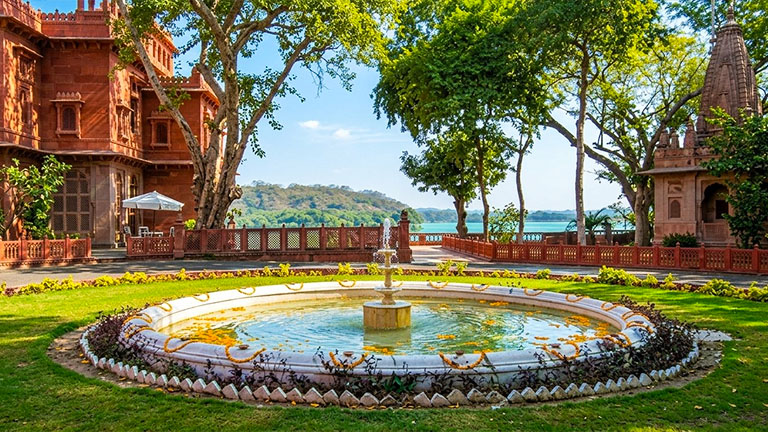
Gajner Palace is a beautiful heritage property located near Gajner Lake, approximately 30 kilometres from Bikaner. Surrounded by peaceful landscapes and desert scenery, the palace offers a refreshing experience away from the busy city.
Originally developed as a royal retreat, the palace served as a place for relaxation and hunting activities during the princely era. Today, it is known for its heritage atmosphere, architectural beauty, and scenic surroundings.
The lake and surrounding landscape create attractive opportunities for photography and nature observation. Visitors can appreciate the peaceful environment while learning about the region’s royal traditions.
The palace is also an appealing option for travellers interested in luxury heritage accommodation.
Why visit: Heritage architecture, peaceful surroundings, scenic lake views, and royal hospitality.
Travel tip: If you want to experience the property beyond sightseeing, explore available heritage-stay options and confirm access arrangements in advance.
6. Gajner Wildlife Sanctuary
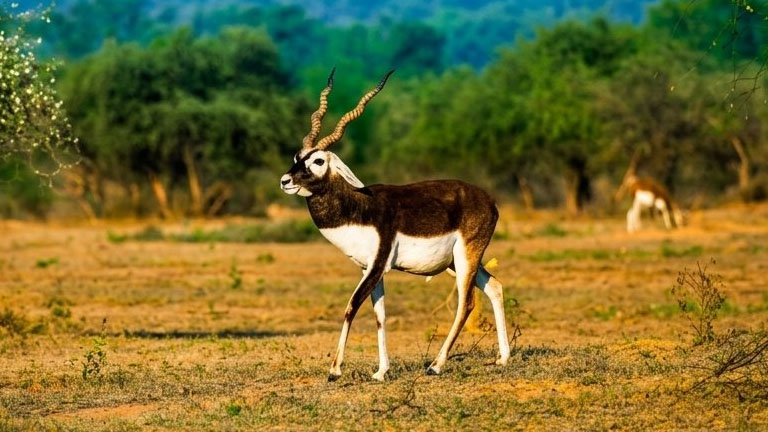
Gajner Wildlife Sanctuary is an interesting destination for nature enthusiasts visiting Bikaner. Located near Gajner Palace, the sanctuary protects an ecosystem associated with the semi-arid landscape of Rajasthan.
The area is known for wildlife such as nilgai, chinkara, blackbuck, wild boar, and several bird species. Depending on the season, visitors may also encounter migratory birds.
Exploring the sanctuary offers a different perspective of Bikaner beyond its historical monuments and religious attractions. The natural landscape, vegetation, and wildlife make it particularly appealing to photography enthusiasts and birdwatchers.
Wildlife sightings depend on weather, season, and environmental conditions, so visitors should not expect guaranteed encounters.
Why visit: Wildlife observation, birdwatching, nature photography, and outdoor exploration.
Travel tip: Confirm safari arrangements, entry permissions, and current visiting conditions before travelling.
7. Bhandasar Jain Temple
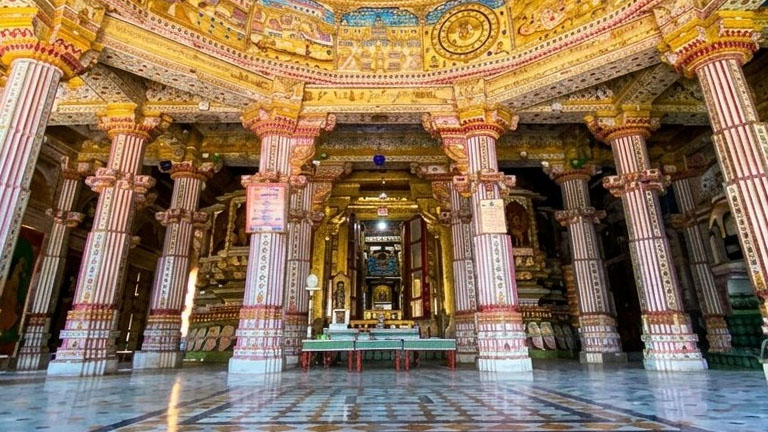
Bhandasar Jain Temple is one of the most remarkable religious and architectural attractions in Bikaner. Dedicated to Sumatinath, the fifth Jain Tirthankara, the temple is known for its beautiful paintings, decorative interiors, mirror work, and intricate craftsmanship.
The temple represents the artistic traditions and religious heritage of the region. Its colourful interiors and detailed architectural elements create a fascinating experience for visitors interested in history and culture.
The structure is particularly notable for its artistic decoration, which reflects the dedication and skill of traditional craftsmen.
Visitors should maintain a peaceful atmosphere and follow the temple’s religious guidelines.
Why visit: Jain heritage, traditional paintings, artistic architecture, and spiritual experiences.
Travel tip: Check worship timings before visiting and avoid disturbing religious activities.
8. National Research Centre on Camel
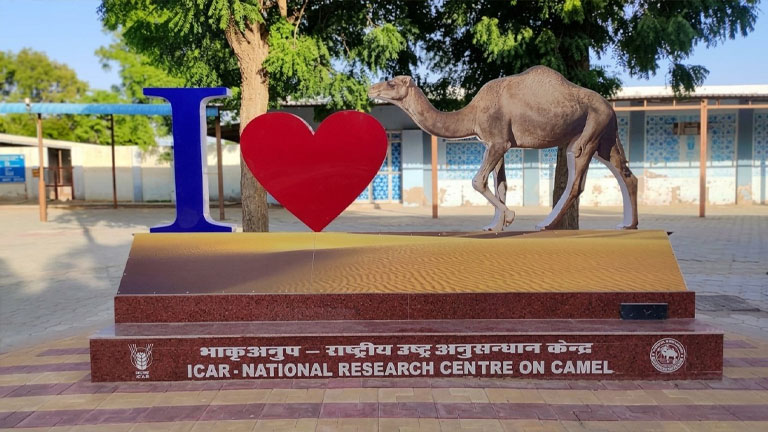
The National Research Centre on Camel is one of Bikaner’s most distinctive attractions. Located outside the main city, this research centre focuses on camel breeding, research, and development related to camel resources.
Bikaner’s connection with camels is deeply rooted in its desert environment and historical traditions. Camels played an important role in transportation, agriculture, trade, and everyday life in Rajasthan.
At the centre, visitors can learn about camel breeds, their adaptation to desert conditions, and their importance in regional culture. Depending on available facilities, visitors may also experience camel-related activities and camel milk products.
The centre offers an educational and enjoyable experience for families, children, and travellers interested in desert traditions.
Why visit: Camel culture, educational experiences, desert heritage, and family activities.
Travel tip: Check opening hours and available visitor activities before arrival, as facilities and schedules may vary.
9. Shri Laxminath Temple
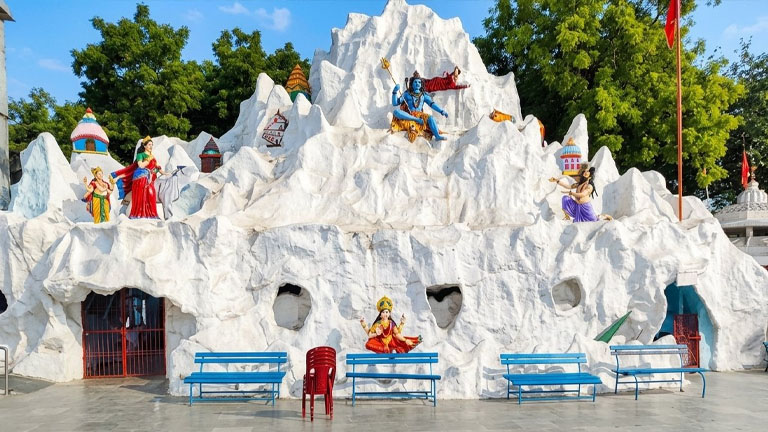
Shri Laxminath Temple is one of the important religious landmarks in Bikaner. Dedicated to Lord Vishnu and Goddess Lakshmi, the temple holds a special place in the city’s spiritual traditions.
The temple is known for its traditional architecture, decorative interiors, and religious atmosphere. Its marble and red sandstone elements reflect the architectural craftsmanship associated with Rajasthan.
Devotees visit the temple throughout the year to offer prayers and participate in religious activities. Visitors interested in local traditions can experience the peaceful environment and cultural importance of this sacred destination.
Why visit: Religious heritage, traditional architecture, and spiritual experiences.
Travel tip: Visit respectfully and observe temple customs regarding footwear, dress, and photography.
10. Shiv Bari Temple
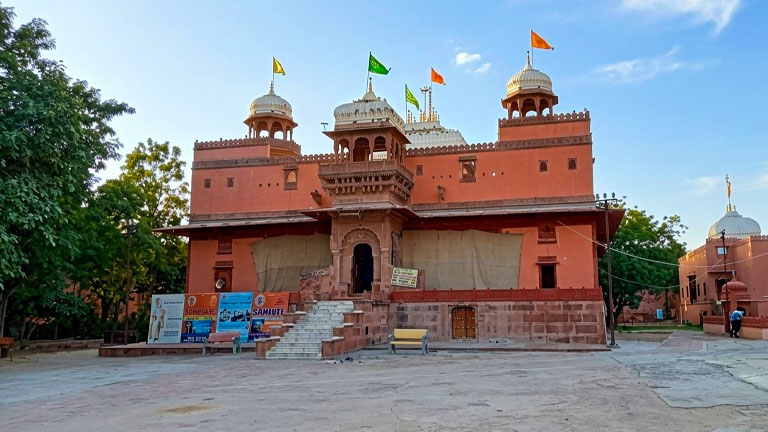
Shiv Bari Temple, also known as Laleshwar Mahadev Mandir, is an important religious attraction situated near Bikaner city.
The temple is dedicated to Lord Shiva and features traditional architectural elements, beautiful wall paintings, and a distinctive black marble Shiva statue. A bronze Nandi statue facing the Shiva Lingam adds to the temple’s religious significance.
Its peaceful surroundings make it a suitable destination for visitors interested in exploring Bikaner’s spiritual heritage.
Shiv Bari Temple can be included in a sightseeing itinerary along with other historical and religious attractions in the city.
Why visit: Shiva worship, temple architecture, traditional paintings, and peaceful surroundings.
Travel tip: Plan your visit around temple timings and religious activities.
11. Kote Gate and Traditional Markets
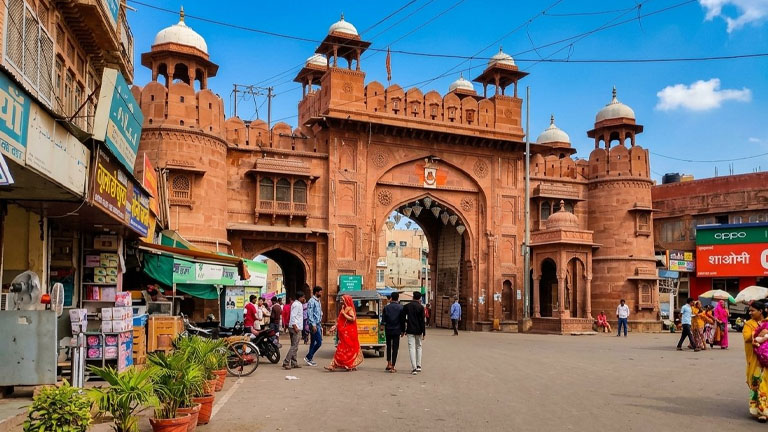
Kote Gate is one of the most popular landmarks in Bikaner and an excellent starting point for exploring the city’s traditional shopping streets.
The surrounding markets are famous for handicrafts, textiles, traditional footwear, jewellery, sweets, and local products. Visitors can discover colourful shops, interact with local traders, and experience the lively atmosphere of Bikaner’s commercial areas.
Shopping in these markets offers an opportunity to purchase souvenirs and traditional Rajasthani products.
Popular shopping items include:
- Bikaneri bhujia and local snacks
- Traditional Rajasthani textiles
- Mojari footwear
- Lacquer bangles
- Decorative handicrafts
- Traditional jewellery
- Locally made souvenirs
Why visit: Shopping, local culture, street photography, and food experiences.
Travel tip: Compare prices between shops and check packaging before purchasing food products to take home.
12. Prachina Museum
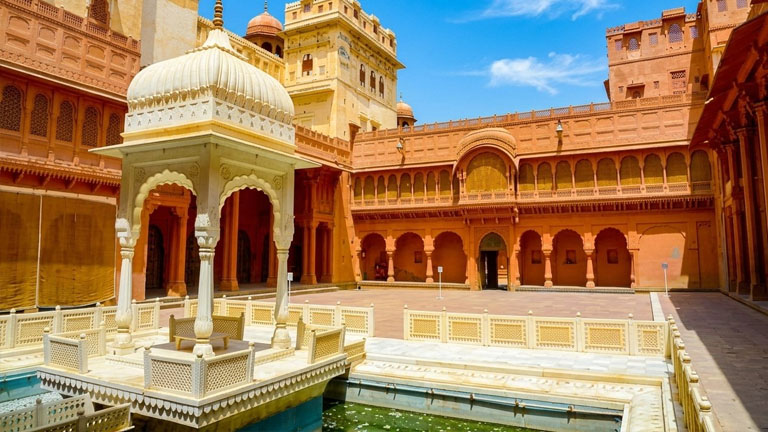
Prachina Museum is an interesting cultural attraction located within the Junagarh Fort complex. The museum showcases objects associated with Bikaner’s royal heritage and traditional Rajasthani culture.
Its collections include costumes, textiles, jewellery, accessories, and historical items that provide insights into the lifestyle of royal families.
Visitors can explore traditional clothing styles, decorative objects, and artistic traditions that reflect the cultural identity of the region.
The museum is particularly useful for travellers who want to understand the historical and cultural context behind Bikaner’s monuments.
Why visit: Royal collections, traditional costumes, cultural heritage, and historical learning.
Travel tip: Combine the museum with your Junagarh Fort visit to make the most of your sightseeing time.
13. Ganga Government Museum
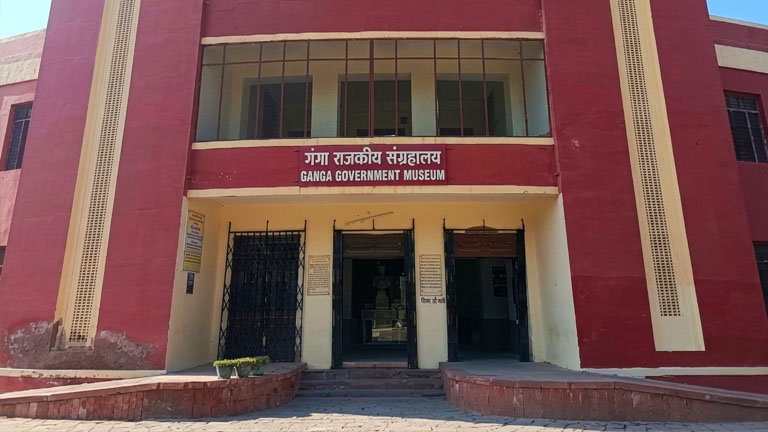
Ganga Government Museum is another important attraction for visitors interested in Rajasthan’s history and archaeology.
The museum contains collections associated with archaeology, art, crafts, historical objects, paintings, and traditional cultural heritage.
Exploring the museum provides a deeper understanding of the region’s historical development and artistic traditions.
It is a suitable destination for students, families, history enthusiasts, and travellers looking for educational experiences.
Why visit: Archaeology, historical artefacts, art collections, and cultural learning.
Travel tip: Check museum opening days and timings before visiting, particularly during public holidays.
14. Devi Kund Sagar
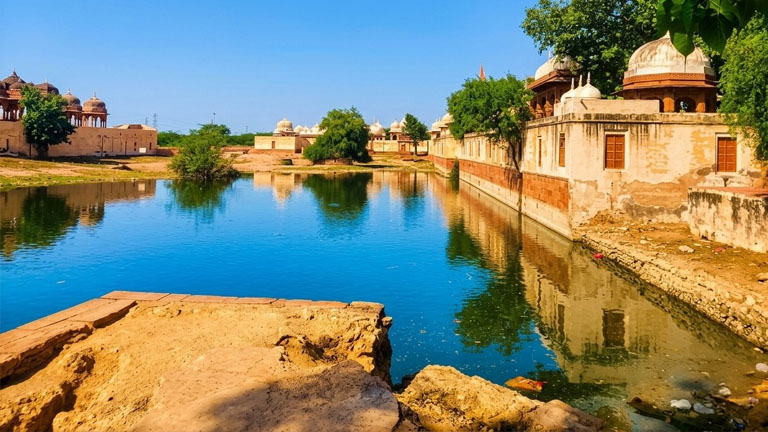
Devi Kund Sagar is a royal cremation ground located outside Bikaner city. It is famous for its beautifully designed cenotaphs, known as chhatris, dedicated to members of the Bikaner royal family.
The cenotaphs feature intricate carvings, decorative architectural elements, and impressive designs that reflect the artistic traditions of Rajasthan.
The site offers a peaceful atmosphere and provides insights into the history of the Bikaner dynasty.
Visitors interested in architecture and historical monuments will appreciate the craftsmanship displayed throughout the complex.
Why visit: Royal history, cenotaph architecture, photography, and heritage exploration.
Travel tip: Visit during daylight and maintain respectful behaviour at this historical memorial site.
15. Bikaner Old City
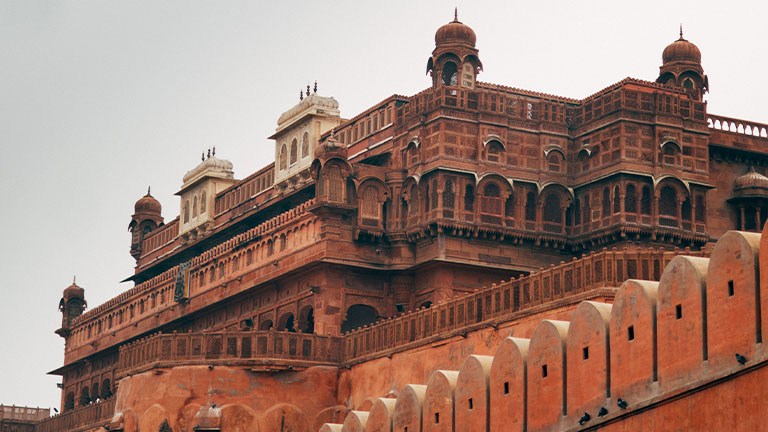
Bikaner’s Old City is one of the most enjoyable areas to explore for travellers who want to experience the destination beyond its major monuments.
The historic neighbourhood features narrow streets, traditional havelis, colourful markets, old buildings, and architectural details that reflect the city’s cultural heritage.
Walking through the old streets allows visitors to observe everyday life, discover local shops, and enjoy the atmosphere of traditional Rajasthan.
The area is also a great place to photograph historic architecture and explore local food establishments.
Why visit: Historic streets, local markets, architecture, food, and cultural experiences.
Travel tip: Explore on foot where practical and respect residents’ privacy when photographing buildings or people.
Experience the Culture and Heritage of Bikaner
Bikaner offers much more than historical monuments and sightseeing attractions. The city provides travellers with opportunities to explore traditional Rajasthani culture, discover local craftsmanship, experience desert heritage, and enjoy authentic regional cuisine.
Witness the Royal Architecture of Bikaner
Explore the magnificent architecture of Junagarh Fort and Lalgarh Palace to understand Bikaner’s royal history. Admire beautifully decorated interiors, intricate stone carvings, traditional courtyards, and impressive architectural details that reflect Rajasthan’s artistic heritage.
Explore the Vibrant Streets of Bikaner
Take a walk through the historic streets around Kote Gate and discover the city’s traditional markets. These lively shopping areas feature colourful handicrafts, ethnic clothing, traditional jewellery, footwear, and locally produced specialties.
Exploring the old city is also a wonderful way to experience Bikaner’s everyday lifestyle and cultural atmosphere.
Discover Bikaner’s Camel Heritage
Bikaner has a strong historical connection with camels and desert traditions. Visit the National Research Centre on Camel to learn about camel breeding, research activities, and the importance of camels in Rajasthan’s desert environment.
This attraction offers an interesting experience for families, history enthusiasts, and travellers interested in regional culture.
Capture the Beauty of Historic Monuments
Bikaner is an excellent destination for photography enthusiasts. Its magnificent forts, beautifully decorated havelis, historic temples, and traditional streets offer countless opportunities to capture Rajasthan’s architectural beauty.
Rampuria Havelis, Junagarh Fort, and Devi Kund Sagar are particularly fascinating locations for heritage photography.
Explore the Traditional Cuisine of Bikaner
A trip to Bikaner is incomplete without experiencing its famous food culture. The city is celebrated for its traditional snacks, delicious sweets, and authentic Rajasthani flavours.
Taste Authentic Bikaneri Bhujia
Bikaneri bhujia is one of the city’s most recognised culinary specialties. This crispy, savoury snack has gained popularity throughout India and remains a favourite among visitors.
Local shops offer freshly packed bhujia, making it an excellent souvenir to take home.
Enjoy a Traditional Rajasthani Thali
Experience the rich flavours of Rajasthan through a traditional thali. Depending on the restaurant, it may include dal, seasonal vegetables, traditional breads, rice, chutneys, and regional delicacies.
A Rajasthani thali provides an excellent introduction to the state’s distinctive culinary traditions.
Try Traditional Rajasthani Ghevar
Ghevar is a famous Rajasthani sweet known for its distinctive honeycomb-like texture and rich taste. It is particularly popular during festivals and special occasions.
Discover Bikaner’s Famous Rasgulla
Bikaner is also associated with traditional sweet-making and delicious rasgullas. Visitors can explore local sweet shops to discover different varieties and enjoy freshly prepared desserts.
Sample Local Snacks and Specialties
Explore the traditional food shops and eateries around Bikaner’s markets. From savoury snacks to regional sweets, trying local specialties allows visitors to experience the city’s authentic culinary identity.
Best Time to Visit Bikaner
The best time to visit Bikaner is generally from October to March, when temperatures are more comfortable for sightseeing and outdoor exploration.
Winter: October to March
Winter is the most popular season for exploring Bikaner. Pleasant daytime conditions make it easier to visit forts, temples, markets, and nearby attractions.
This period is particularly suitable for families, international travellers, and visitors planning a Rajasthan sightseeing tour.
Frequently Asked Questions About the Best Places to Visit in Bikaner
Some of the best places to visit in Bikaner include Junagarh Fort, Karni Mata Temple, Rampuria Havelis, Lalgarh Palace, Gajner Palace, Bhandasar Jain Temple, and the National Research Centre on Camel.
Two days are generally sufficient to explore the major attractions in Bikaner. Travellers interested in nearby destinations and additional cultural experiences may prefer three days.
Bikaner is famous for its royal forts, historic havelis, camel culture, Karni Mata Temple, Bikaneri bhujia, traditional sweets, and rich Rajasthani heritage
Yes, Bikaner is worth visiting for travellers interested in history, architecture, culture, religious traditions, and authentic desert experiences.
October to March is generally considered the most comfortable period for sightseeing because daytime temperatures are usually more pleasant.
Junagarh Fort is one of Bikaner’s most famous historical attractions. Karni Mata Temple in Deshnok is another internationally recognised destination.
Some major attractions can be explored in one day, but a two-day itinerary provides a more comfortable sightseeing experience.
Yes, Bikaner offers historical monuments, museums, religious attractions, markets, and camel-related experiences that can be enjoyed by families.
Bikaneri bhujia, Rajasthani thali, ghevar, rasgulla, and traditional local snacks are popular food choices.
You can combine Bikaner with Jaipur, Jodhpur, and Jaisalmer depending on your travel duration. A well-planned itinerary allows you to explore Rajasthan’s forts, palaces, desert landscapes, and cultural attractions.
Related Blogs
Best Places to Visit in Alwar, Rajasthan: A Complete Travel Guide
Chittorgarh Travel Guide: Discover Rajasthan’s Legendary Royal History
Mandawa Travel Guide: Discover Rajasthan’s Famous Haveli Heritage
Ranthambore Beyond Wildlife: Discover History and Nature in Rajasthan