When people hear the name Ranthambore, the first image that usually comes to mind is a Royal Bengal Tiger walking through the forest.
And understandably so.
Ranthambore is one of Rajasthan’s most famous wildlife destinations, known for its tiger sightings, dry deciduous forests, lakes, rocky landscapes, and diverse wildlife. But there is much more to this destination than a safari.
Rising above the surrounding landscape is the magnificent Ranthambore Fort, a historic hill fort with centuries of stories connected to the Chauhan rulers, Rajput history, battles, temples, and royal heritage. The fort is part of the UNESCO World Heritage-listed Hill Forts of Rajasthan.
This combination of wilderness and history makes Ranthambore different from a typical wildlife holiday.
You can begin your morning watching wildlife in the forest, spend the afternoon exploring an ancient fort, and finish the day surrounded by the peaceful landscape of Sawai Madhopur.
If you are planning a Rajasthan trip and want to experience something beyond palaces and city sightseeing, this Ranthambore travel guide will help you discover the historical and natural side of this remarkable destination.
Ranthambore: Where Wildlife Meets History
A tiger safari may be the main reason many travellers visit Ranthambore, but it is certainly not the only experience worth having.
Ranthambore brings together three very different sides of Rajasthan:
- Wildlife and nature
- History and architecture
- Local culture and rural landscapes
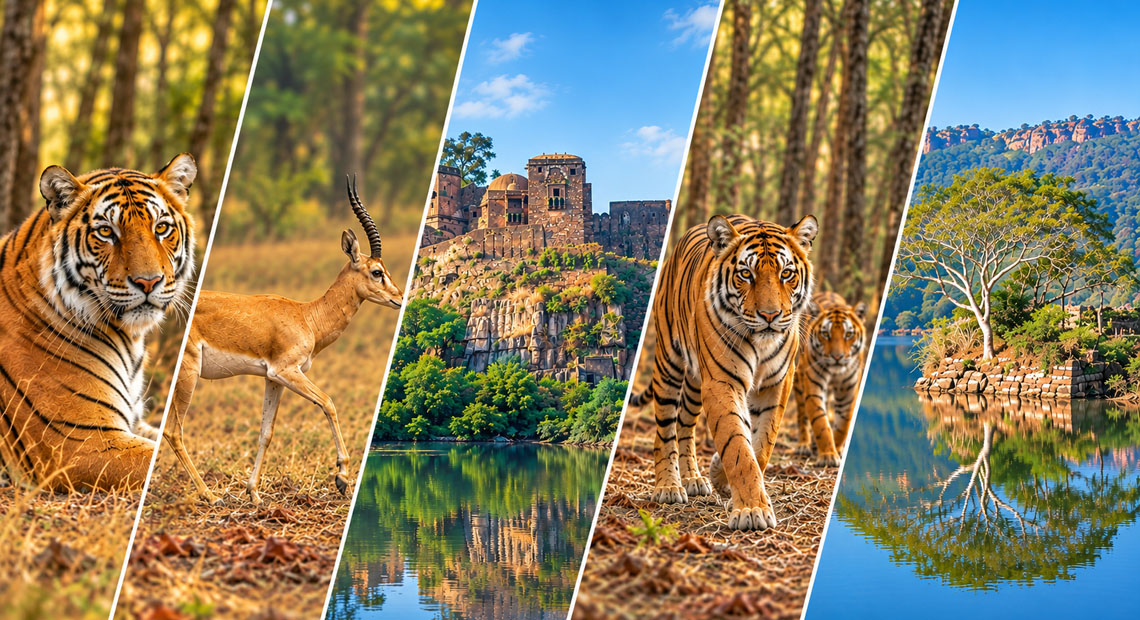
The national park is home to tigers along with animals such as leopards, sloth bears, hyenas, jackals, chital, sambar, nilgai, langurs, crocodiles, and many species of birds. The surrounding landscape includes lakes, valleys, rocky outcrops, grasslands, and dry forests.
At the same time, the historic Ranthambore Fort dominates the landscape and provides a fascinating connection to medieval Rajasthan.
This makes Ranthambore an ideal destination for travellers who enjoy combining adventure, heritage, photography, and nature in one trip.
Ranthambore National Park: Where Wildlife Meets History
The heart of the destination is Ranthambore National Park.
Located near Sawai Madhopur, the park is recognised for its population of Royal Bengal Tigers and its distinctive landscape. Rajasthan Tourism describes the area as a dry-deciduous forest system surrounded by hills, crags, meadows, lakes, and rivulets.
One of the most interesting aspects of a Ranthambore safari is the way wildlife and historic remains exist within the same landscape.
As your safari vehicle moves through the forest, you may see ancient ruins, water bodies, old structures, and the massive Ranthambore Fort rising above the hills.
It is a landscape where nature has gradually reclaimed parts of history.
The forest is not simply a backdrop for wildlife. It is an ecosystem with its own character, shaped by seasonal changes, water availability, vegetation, and the movement of animals.
What Wildlife Can You See in Ranthambore?
Tigers are undoubtedly the stars of Ranthambore, but a safari can offer much more than a tiger sighting.
Depending on the season, location, and luck, visitors may encounter:
- Royal Bengal Tigers
- Leopards
- Sloth bears
- Sambar deer
- Spotted deer or chital
- Nilgai
- Wild boar
- Langurs
- Rhesus macaques
- Hyenas
- Jackals
- Foxes
- Crocodiles
- Numerous resident and migratory birds
Rajasthan Tourism specifically lists tiger, leopard, sloth bear, caracal, jackal, fox, hyena, mongoose, chital, sambar, nilgai, langur, and several bird species among the wildlife found in the park.
For this reason, it is better to think of a Ranthambore safari as a wildlife observation experience, rather than a trip whose only objective is finding a tiger.
A tiger sighting is never guaranteed. The real attraction is being inside a living ecosystem and observing how different species interact with their surroundings.
Ranthambore Fort: The Historical Soul of the Destination
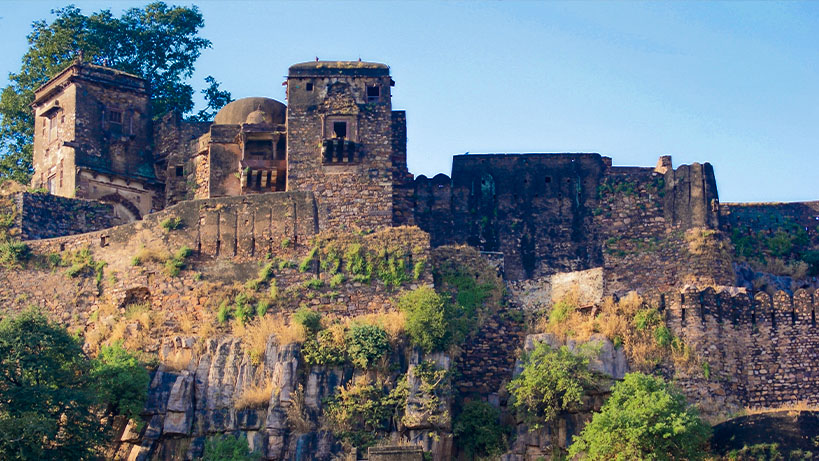
If the national park represents Ranthambore’s natural heritage, Ranthambore Fort represents its historical identity.
The fort was built by the Chauhan rulers in the 10th century and was strategically positioned on a hill, making it an important defensive stronghold. Rajasthan Tourism notes that the fort has witnessed several sieges and battles throughout its history.
Today, its massive walls, gateways, temples, tanks, ruins, and elevated location provide a spectacular view over the surrounding landscape.
The experience of visiting Ranthambore Fort is very different from exploring a conventional city fort.
Instead of being surrounded by urban development, the fort sits amid hills and forests. Looking down from the fort, you can see the landscape that once helped make this location strategically important.
A Glimpse into Ranthambore’s Royal Past
Ranthambore Fort gives visitors a chance to discover the rich history of Rajasthan. Built on a hill and surrounded by forests, the fort has stood through centuries of kings, battles, and changing kingdoms.
As you walk through the old gates and ruins, you can imagine what life was like inside the fort many centuries ago.
One of the most important rulers linked to the fort was Rao Hammir, a famous Chauhan ruler. His battle against Alauddin Khilji in 1301 is an important part of Ranthambore’s history.
Today, visitors can explore the fort’s ancient walls, temples, ruins, and beautiful views of the surrounding forests. It is a wonderful place to experience Rajasthan’s history, culture, and natural beauty in one visit.
Ranthambore Fort and Its Architectural Highlights
A visit to Ranthambore Fort is not just about walking along old walls.
Inside the complex, visitors can discover temples, gateways, tanks, cenotaphs, and historic structures.
Some notable features include:
Toran Dwar
Toran Dwar is one of the important architectural elements of the fort and reflects the historic entrance system of the complex.
Mahadeo Chhatri
The Mahadeo Chhatri is another structure that contributes to the architectural character of the fort.
Ganesh Temple
The Trinetra Ganesh Temple is one of the most famous religious attractions within Ranthambore Fort.
The temple continues to attract devotees and visitors and is an important part of the living cultural heritage of the fort.
Rajasthan Tourism notes that the temple hosts an annual fair during Bhadrapad Sudi Chaturthi.
Ancient Temples and Ruins
The fort contains several temples and historic remains, demonstrating that Ranthambore was not simply a military settlement.
It was also a place of religious and cultural activity.
A Fort Surrounded by Nature
One of the biggest reasons to visit Ranthambore Fort is its setting.
Imagine standing on an ancient fort wall and looking across hills covered with vegetation, water bodies, rocky terrain, and forest.
This is what makes Ranthambore especially attractive to photographers.
The contrast between old stone architecture and wild natural surroundings creates a landscape that is difficult to find elsewhere in Rajasthan.
The fort appears almost like a bridge between two worlds:
the Rajasthan of kings and the Rajasthan of wildlife.
The Story of Ranthambore’s Battles
Ranthambore Fort’s location made it an important strategic stronghold, but that also meant it became the target of several military campaigns.
The fort witnessed repeated sieges and conflicts over the centuries. The 1301 conflict involving Rao Hammir and Alauddin Khilji is particularly significant in the fort’s historical narrative.
The stories surrounding these battles have contributed to Ranthambore’s reputation as a symbol of resistance and Rajput military heritage.
When visiting the fort, it is worth taking time to understand the history behind the structures instead of simply treating them as scenic ruins.
A knowledgeable local guide can make the experience much more meaningful by explaining the fort’s architecture, rulers, battles, and cultural traditions.
Ranthambore’s Lakes and Water Bodies
Water is one of the most important elements of Ranthambore’s ecosystem.
The park contains lakes and other water sources that support wildlife, especially during dry periods.
These water bodies also create some of the most beautiful safari landscapes.
Animals often gather around water, making these locations interesting for wildlife observation. At the same time, reflections, vegetation, rocky hills, and open skies can create excellent photography opportunities.
The presence of water is also an important reminder that wildlife survival in a dry landscape depends heavily on the availability and distribution of natural resources.
Padam Lake
Padam Lake is one of the best-known water bodies associated with Ranthambore National Park.
The lake provides an important water source for wildlife and is surrounded by natural scenery.
Visitors may see animals approaching the water, while birds can often be found around the lake.
The famous Jogi Mahal is located near Padam Lake, creating one of the most recognisable landscapes within Ranthambore.
Jogi Mahal and Ranthambore’s Royal Connection
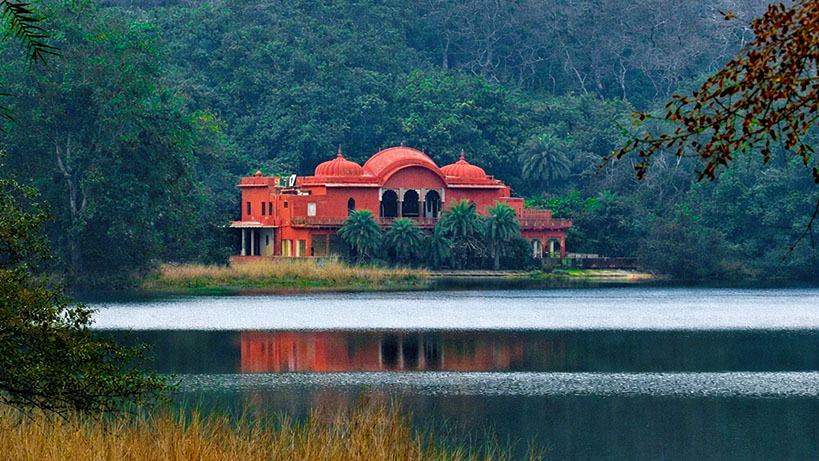
Jogi Mahal is one of the iconic structures associated with Ranthambore.
Located near Padam Lake, it adds a strong historical and architectural character to the wildlife landscape.
The presence of old structures such as Jogi Mahal, together with the fort, ruins, and forest, reflects the destination’s long relationship with Rajasthan’s royal history.
Rajasthan’s tourism heritage also highlights Ranthambore’s connection with the former royal hunting traditions of the Jaipur state.
Today, the destination is experienced primarily as a wildlife and heritage attraction rather than a royal hunting ground.
That transformation is an important part of Ranthambore’s modern identity.
Ranthambore as a Former Royal Hunting Ground
Before becoming internationally known as a tiger reserve and wildlife destination, the Ranthambore landscape was associated with royal hunting expeditions.
Rajasthan Tourism describes the area as having once been a private game reserve of the royal House of Jaipur.
The transformation from a royal hunting landscape to a protected wildlife destination represents an important change in how people interact with nature.
Today, conservation and responsible wildlife tourism are central to the Ranthambore experience.
For travellers, this means enjoying the forest while respecting wildlife, maintaining appropriate distance, and following park regulations.
Best Time to Visit Ranthambore
The best time to visit Ranthambore depends on what kind of experience you want.
The national park’s tourism season generally runs from October to June, according to Rajasthan Tourism.
October to February
These months offer relatively pleasant weather and are ideal for travellers who want to combine wildlife sightseeing with heritage exploration.
The mornings can be cool, so carry suitable clothing for early safari drives.
March to May
The weather becomes warmer, but the dry conditions can make wildlife more visible around available water sources.
If wildlife photography and tiger tracking are your priorities, many travellers consider the hotter months rewarding, although temperatures can be uncomfortable.
June to September
The main tourism pattern changes during the monsoon period, and access to the national park can be affected by seasonal regulations.
Always check current park opening dates, safari zones, and booking rules before planning your trip.
How to Plan a Ranthambore Safari
A good safari requires more than simply arriving at the park.
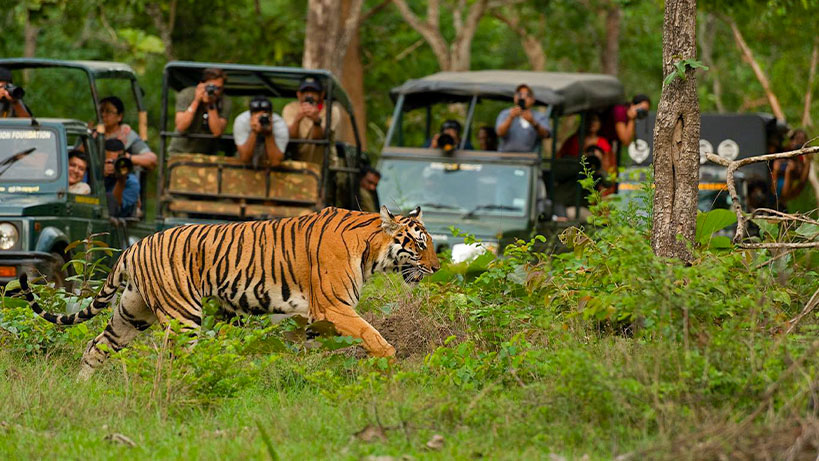
Safari permits and zones are subject to availability and park regulations, so advance planning is recommended, particularly during busy travel periods.
Rajasthan Tourism advises visitors to make reservations in advance because of the destination’s popularity.
Before your safari:
- Check the latest safari timings.
- Confirm your safari zone.
- Carry valid identification as required.
- Wear comfortable clothing.
- Carry water.
- Avoid loud conversations.
- Do not feed animals.
- Follow the driver’s and naturalist’s instructions.
- Keep a respectful distance from wildlife.
- Be patient.
Most importantly, remember that wild animals do not follow a schedule.
A safari is about observing nature rather than expecting nature to perform on demand.
Jeep Safari vs Canter Safari
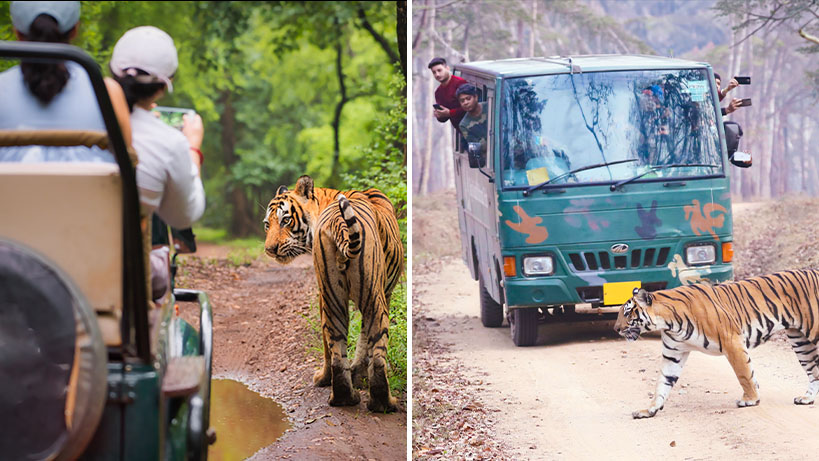
Travellers visiting Ranthambore commonly encounter different safari vehicle options depending on the booking system and availability.
A smaller open safari vehicle can provide a more intimate experience for a limited group, while a larger vehicle accommodates more visitors.
The choice may depend on availability, budget, group size, and personal preference.
Instead of choosing a safari only because you want a tiger sighting, consider the overall experience: a knowledgeable naturalist, responsible driving, patience, and respect for the forest can make a bigger difference.
Birdwatching in Ranthambore
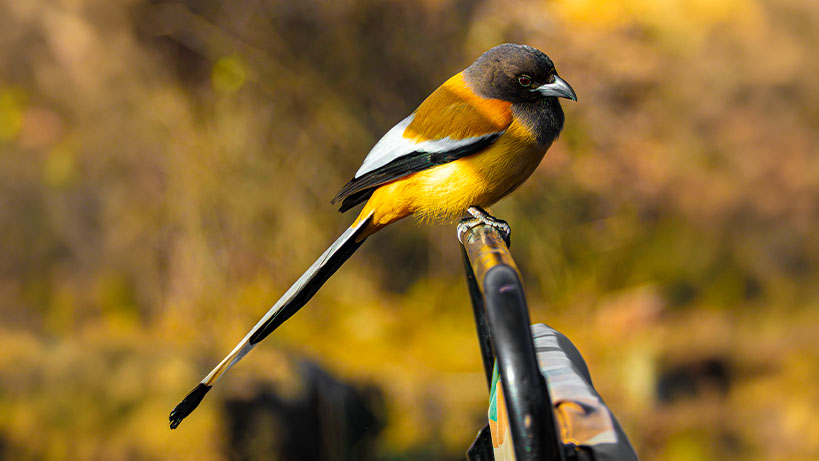
Ranthambore is not only a destination for big cats.
The combination of lakes, forests, grasslands, and rocky terrain creates habitat for a wide variety of birds.
Birdwatchers may encounter species around water bodies and forest areas, depending on the season.
Even if you do not have a specialist interest in birds, carrying a camera or binoculars can make your safari more engaging.
Sometimes the most memorable moment of a safari is not a tiger but a bird of prey flying across the sky, a crocodile resting beside a lake, or a herd of deer responding to an alarm call.
Photography in Ranthambore
Ranthambore is one of Rajasthan’s most photogenic destinations because it combines wildlife with dramatic landscapes.
For wildlife photography:
- Use a suitable telephoto lens if available.
- Keep your camera ready before entering areas known for animal movement.
- Avoid sudden movements.
- Do not use flash on wildlife unless specifically permitted.
- Be patient.
- Photograph landscapes as well as animals.
For heritage photography, Ranthambore Fort provides opportunities to capture massive stone walls, gateways, temples, carvings, and panoramic views.
The contrast between ancient architecture and natural surroundings is particularly striking.
Explore Sawai Madhopur Beyond the Safari
Ranthambore is closely associated with Sawai Madhopur, the main town used by travellers visiting the national park.
The town itself has its own historical connection to the region.
According to Rajasthan Tourism, the city received the name Sawai Madhopur from Maharaja Sawai Madho Singh I, who is associated with the city’s planning in 1765.
For travellers with extra time, exploring the local markets and surrounding areas can provide a more grounded experience of the destination beyond the safari resorts.
Local Culture and Rural Rajasthan
One of the best ways to make your Ranthambore trip more meaningful is to experience the local culture around Sawai Madhopur.
Rajasthan is known for its colourful traditions, handicrafts, food, folk music, and village life.
Instead of spending your entire trip inside a resort, consider exploring local markets and supporting local artisans and businesses.
Responsible tourism can help ensure that the economic benefits of tourism reach the communities living around wildlife destinations.
What to Eat in Ranthambore
Your Ranthambore experience does not have to stop with wildlife and history.
Try some traditional Rajasthani dishes during your stay, such as:
- Dal Baati Churma
- Gatte Ki Sabzi
- Ker Sangri
- Bajra Roti
- Kadhi
- Mirchi Vada
- Kachori
- Ghevar
Many hotels and resorts around Sawai Madhopur offer Rajasthani-inspired meals.
For an authentic experience, explore local restaurants and ask about regional specialities.
Responsible Tourism in Ranthambore
Wildlife tourism is a privilege, and responsible behaviour is essential.
When visiting Ranthambore:
Do not litter.
Plastic and waste can harm wildlife and damage the ecosystem.
Never feed wild animals.
Feeding changes animal behaviour and can create dangerous interactions.
Do not disturb animals.
Avoid shouting, playing loud music, or attempting to attract wildlife.
Follow safari regulations.
Park rules exist to protect both visitors and animals.
Respect local communities.
Choose locally owned businesses, guides, artisans, and services whenever practical.
A responsible traveller leaves the destination with memories—not damage.
Ranthambore in a Rajasthan Itinerary
Ranthambore can easily be included in a broader Rajasthan holiday.
A popular route can combine:
Jaipur → Ranthambore → Agra
or
Delhi → Jaipur → Ranthambore → Udaipur
Another option is to combine Ranthambore with heritage destinations such as Kota, Bundi, Chittorgarh, or Udaipur, depending on your available time.
This allows travellers to experience several sides of Rajasthan—from historic cities and forts to forests and wildlife.
Bird Watching & Tiger Safari Tour
Who Should Visit Ranthambore?
Ranthambore is ideal for:
- Wildlife lovers
- Families
- Couples
- Photography enthusiasts
- History lovers
- Nature travellers
- Adventure seekers
- Birdwatchers
- International tourists
- Weekend travellers from major North Indian cities
It is especially suitable for travellers who want something different from the traditional Jaipur-Jodhpur-Jaisalmer palace and desert itinerary.
Frequently Asked Questions About Ranthambore
Ranthambore is famous for its national park and Royal Bengal Tigers, but it is also known for Ranthambore Fort, historic architecture, lakes, forests, and diverse wildlife.
No. Ranthambore combines wildlife, nature, history, architecture, photography, and local culture. Ranthambore Fort is one of the major heritage attractions in the region.
The main tourism season for Ranthambore National Park generally runs from October to June. The best month depends on your priorities, weather preference, and current park operations.
Two nights and three days are a good starting point for a first visit. Travellers who want multiple safari experiences may prefer a longer stay.
Yes. Ranthambore Fort is a separate heritage attraction and can be visited as part of a Ranthambore itinerary. Rajasthan Tourism notes that the fort is about half an hour from Sawai Madhopur town.
Yes. Families can enjoy wildlife safaris, nature, photography, and the historical fort. However, young children should be prepared for early starts, long drives, and waiting during wildlife sightings.
No. Tigers are wild animals and sightings cannot be guaranteed. The best approach is to enjoy the complete wildlife experience rather than focusing only on finding a tiger.