
- Home
- /
- India Tours
- /
- Golden Triangle Tour
6 Nights / 7 Days
India is a magical country full of spirituality, history, culture, diversity, traditions, etc. In order to make your visit to India memorable, you must start exploring it by taking up the Golden Triangle Tour. This tour of 7 days takes you to three famous destinations that are not only rich in culture but also in history
Arrive Delhi. Meet and assist on arrival and transfer to the hotel. (Hotel check-in 1400 hrs ). Overnight
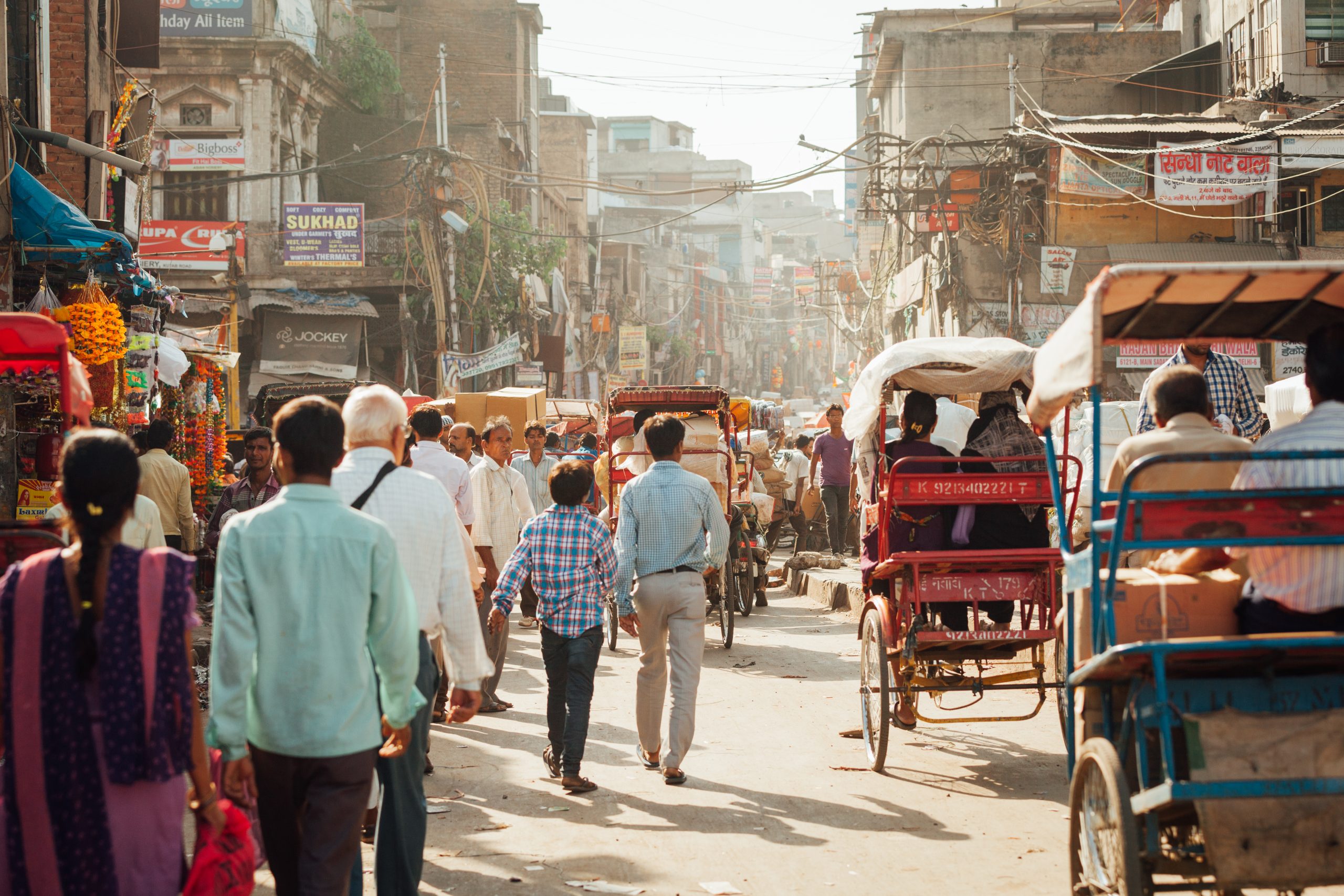
Following breakfast at the hotel, proceed for a sightseeing tour of Old and New Delhi, including a rickshaw ride (pedicab) in Chandni Chowk [Red Fort is closed on Mondays]
Old Delhi – Situated in a strategic position on the west bank of the Yamuna River, between the Himalayas and the Aravalli Hills, Delhi is the gateway to the rich alluvial soils of the Ganges plain and has, according to Indian folklore, been occupied since 2500 BC. The original city, Indraprastha, was the first of nine. Shahjahanabad or Old Delhi, the 7th city, was built when the Mughal Emperor moved his capital back to Delhi from Agra in 1638. Planned out in blocks with wide roads, residential areas and bazaars, Chandni Chowk, now thought to be Asia’s busiest street, was the main artery. Literally translated as ‘Silver Street ’, this bustling market area of Old Delhi is good for hunting down new and antique gold and silver jewellery from craftsmen whose forefathers
Served the emperor. At the 1911 Delhi Durbar, King George V announced that the capital of India was to move from Calcutta to Delhi. Inaugurated in 1931, the ambitious work of British architects Sir Edwin Lutyens and Herbert Baker, New Delhi is an audacious statement of Imperial British control over India. Today, the difference between bustling Old Delhi and the calmer, tree-lined avenues of New Delhi is striking.

Chandni Chowk, Delhi
New Delhi was planned and built by the British in the 1920s and is characterised by Sir Edwin Lutyens’ monumental architecture. Driving through the city, with its wide tree-lined avenues, discover India Gate and the Diplomatic Enclave, the Central Secretariat and the President’s House. Visit Humayun’s Tomb, aptly called the predecessor of the Taj Mahal because of its ornate Mughal style of architecture, later perfected in the Taj Mahal. Finally, see the 12th-century Qutub Minar, considered one of the most perfect towers in the world, measuring 72m high. Continue to Connaught Place, New Delhi’s main shopping area and central hub. Rest of the day at leisure. Overnight stay at the hotel in Delhi.
This small city is simple yet dynamic, colourful yet inviting. Being a major tea hub, it is called India’s Tea City, making it extremely popular in the Indian Eastern Hemisphere along with Guwahati and Bhubaneswar. The entire city is a wide expanse of lush green plantations offering beautiful views throughout. There are many temples and local tours that one can engage in. The best way to enjoy Dibrugarh is to live in a local homestay overlooking the tea plantations, relishing a cup of tea.
Breakfast at the hotel and drive to Agra. Arrive and check in at the hotel.
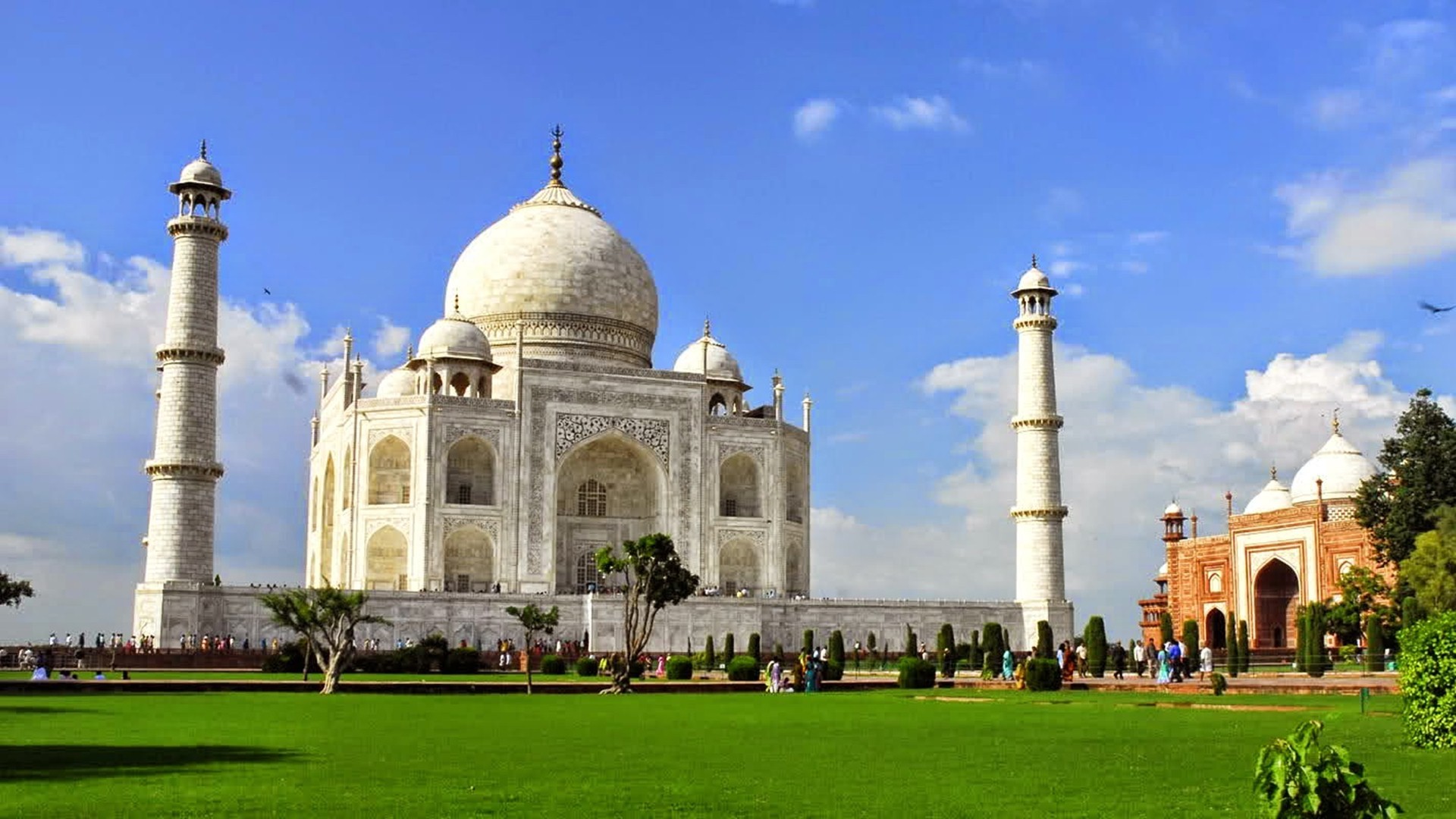
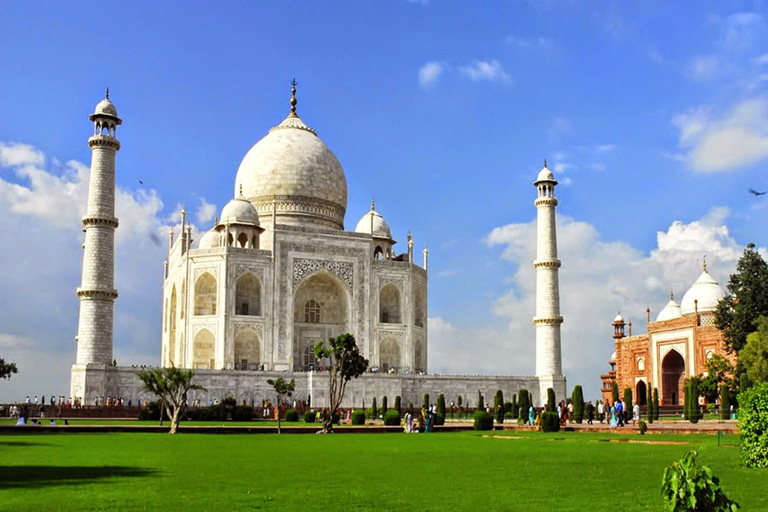
Afternoon visit to the Taj Mahal & Agra Fort.[Taj Mahal is closed on Fridays]
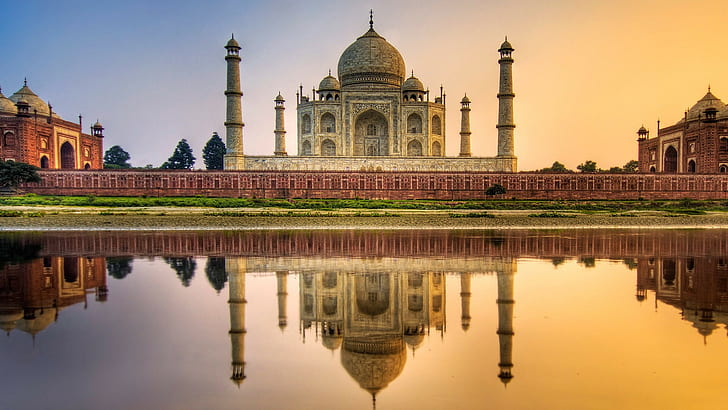
Taj Mahal – Built by Emperor Shah Jahan in memory of his wife Mumtaz Mahal, who died giving birth to their fourteenth child in 1631, the Taj Mahal is described by the Indian poet Rabindranath Tagore as ‘a teardrop on the face of eternity’. Heartbroken by her death, legend has it that Shah Jahan’s hair turned grey overnight and that he turned his back on running the empire, concentrating instead on the construction of this monument to love. Construction took 22 years, and the Taj was completed in 1653 at a speculated cost of 3 million rupees, equivalent to around 70 million US Dollars today. Overnight stay at a hotel in Agra.

Taj Mahal, Agra
Following breakfast at the hotel, check out from the hotel and transfer by road to Jaipur, en route visiting Fatehpur Sikri
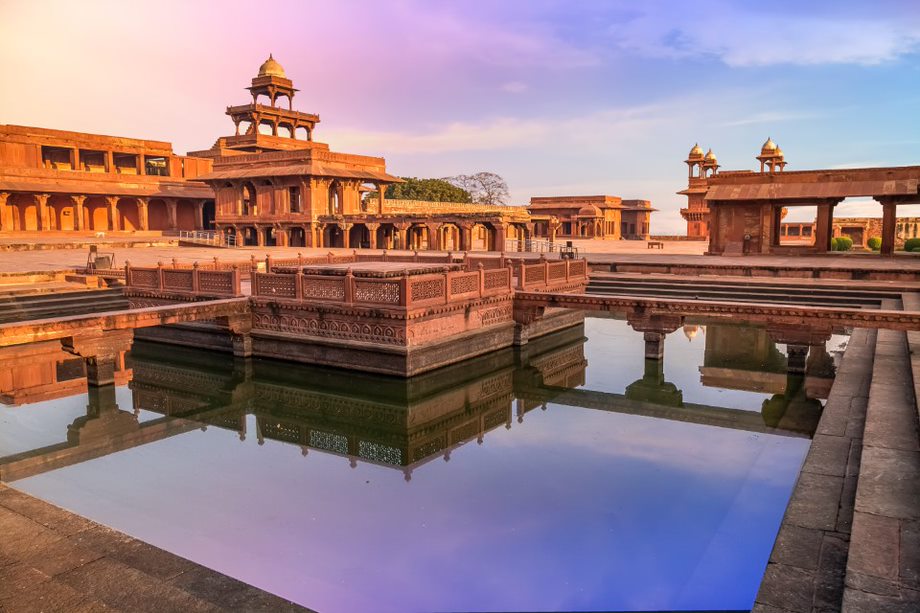
Fatehpur Sikri – Despite having many wives, 26-year old Akbar had no living heir, as all his children had died in infancy. Sheikh Salim Chishti, a Sufi saint living in the village of Sikri, predicted Akbar would have three sons, and with the birth of Salim (named after the saint and later known as Jahangir) and in recognition of the saint’s prophecy, Akbar built a new capital at Sikri in his honour. 37km southwest of Agra, this remarkable UNESCO World Heritage Site served as the Mughal capital from 1571. Due to an ever-increasing population and erratic water supply, the red sandstone city was abandoned in 1585. Fatehpur Sikri, the town of victory, was the Mughals’ first planned city to feature designs that amalgamated Hindu, Persian and Islamic design. Today, the complex of buildings, including the Diwan-i-Am and the Diwan-i-Khas, the Panch Mahal and Jodha Bai’s Palace, are perfectly preserved. Inside the Jama Masjid Mosque, completed in 1571, is the stunningly carved white marble tomb of Sheikh Salim Chishti.

Fatehpur Sikri, Agra
Today, childless couples hoping for a son visit the tomb and, in seeking the saint’s blessing, tie a woollen thread to the outer Jali screens. Continue your drive to Jaipur before stopping again to pay a visit to Abhaneri Stepwell or the Chand Baori – a stepwell built over a thousand years ago in the Abhaneri village of Rajasthan. It is one of the largest stepwells in the world and also one of the most beautiful ones. Located in the eastern part of the province of Rajasthan, it was built by King Chanda somewhere in the 9th century. Arrive in Jaipur and check in at the hotel. overnight Hotel.
Following breakfast at the hotel, an excursion to Amber to visit Amber Fort with an elephant ride uphill and a jeep ride downhill
Amber – Originally the ancient capital of the Kachwaha clan from 1037, the ancient town of Amber, 12km from Jaipur, is dotted with ancient temples, Havelis, and step wells. High above the town and surrounded by defensive fortification walls sits the impressive Amber Palace. Built by Raja Man Singh in the early 17th century, it houses mighty gates, temples, huge ornate halls, palaces, pavilions and gardens. Amber Palace is a perfect blend of Hindu and Muslim architecture, and once at the top, the Palace affords excellent views of the surrounding countryside and town below. The 10-minute walk through a series of five defensive gates will bring you to the Suraj Pol (Sun Gate), the main entry to the Palace. As an alternative, it is possible to arrive at the Palace on the back of an elephant or drive up by jeep. Having visited the fort, it is also possible to take a guided heritage walk of the often overlooked Amber village. This walk takes in seldom-visited temples, havelis, step wells and a fascinating museum of textiles.
Afternoon, proceed for a sightseeing tour of Jaipur, visiting City Palace, Hawa Mahal and Observatory. Popularly known as the Pink City, Jaipur (City of Victory) is the state capital and largest city of Rajasthan. It was founded by Sawai Jai Singh II in 1727 and was planned according to Indian ‘Vastu Shastra’ principles. The city was divided into 9 blocks representing the ancient Hindu map of the universe; 2 blocks housed the state buildings and palaces, the other 7 allotted to various public buildings. A fortification wall was built around the city with 7 gates for entry. Originally, the buildings were painted in a variety of colours, but in 1853, when Prince Albert visited, the old city was painted pink, a traditional colour of welcome. It has remained pink ever since. The City Palace in the centre of Jaipur took 4 years to complete. Tour the Palace by passing through the main entrance and begin by visiting the Mubarak Mahal, built in 1890; it houses the Textile and Costume Museum. Visit the Armoury, then proceed through the Rajendra Pol gate into the main complex.

Jaipur, Rajasthan
Here, the Diwan-i-Khas is home to 2 giant silver urns used by Sawai Madho Singh to carry Ganges water to England when he attended Queen Victoria’s Diamond Jubilee. After visiting the Chandra Mahal and the museums, proceed to the Jantar Mantar Observatory. Built between 1728 and 1734 on a grand scale, the 17 astronomical instruments were built in stone and marble. The collection, built by Jai Singh, includes the large Samrat, a 27.4m high sundial accurate to 2 seconds!
Overnight stay at a hotel in Jaipur.
Breakfast at the hotel and drive back to Delhi. Arrive and check in at the hotel. Rest of the day free for independent activities/relaxation or last-minute shopping before flying back home. Overnight
Breakfast at the hotel (Hotel check-out 1200 hrs). In time, transfer to the airport to connect your onward flight.
FEATURED
Itineraries
Golden Triangle Tour
This tour of 7 days takes you to three famous destinations which are not only rich in culture but also in history
Karnataka & Goa
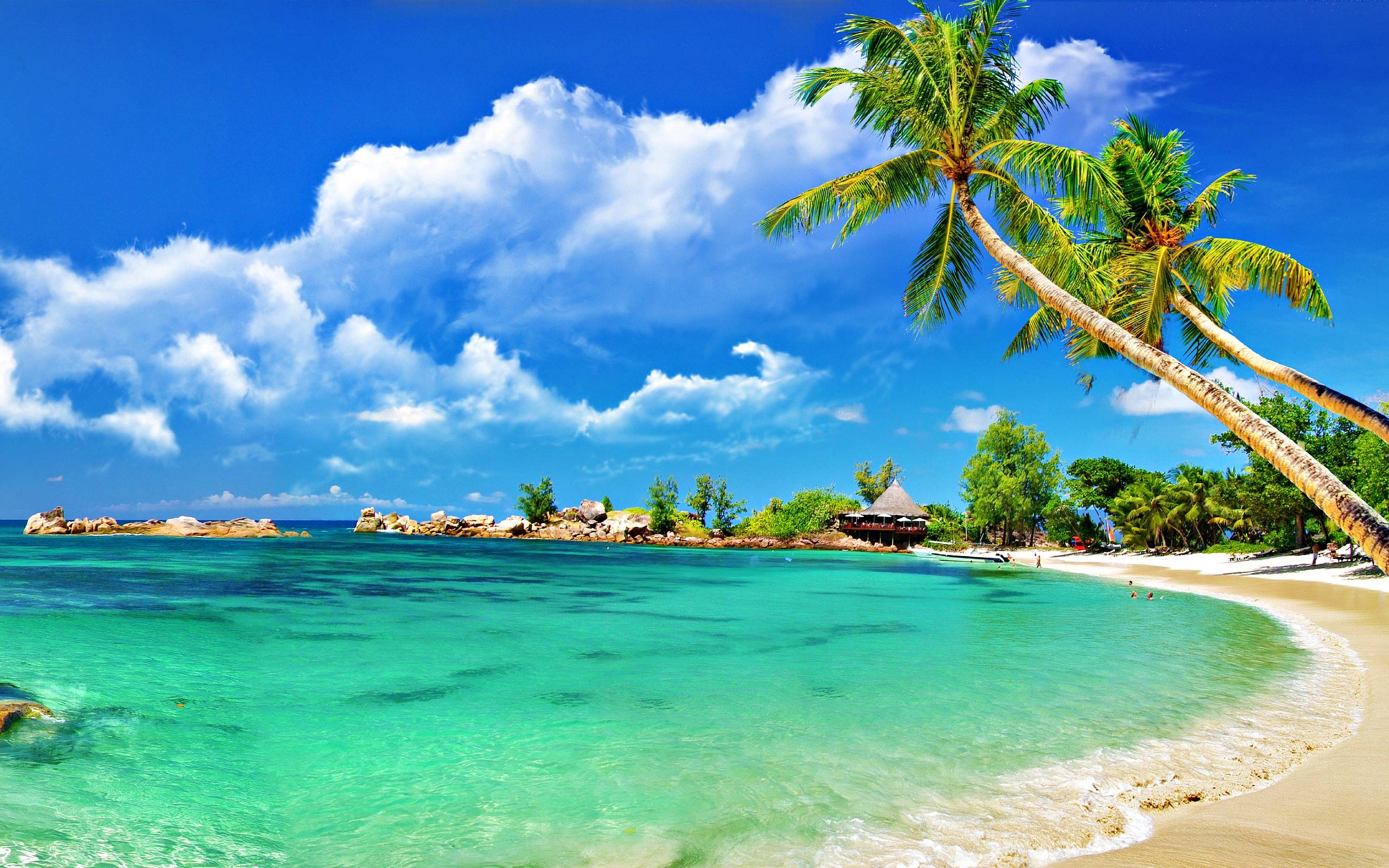
Covering Karnataka & Goa famous destinations which are not only rich in culture but also in history.
Kolkata-Assam & Meghalaya Trip
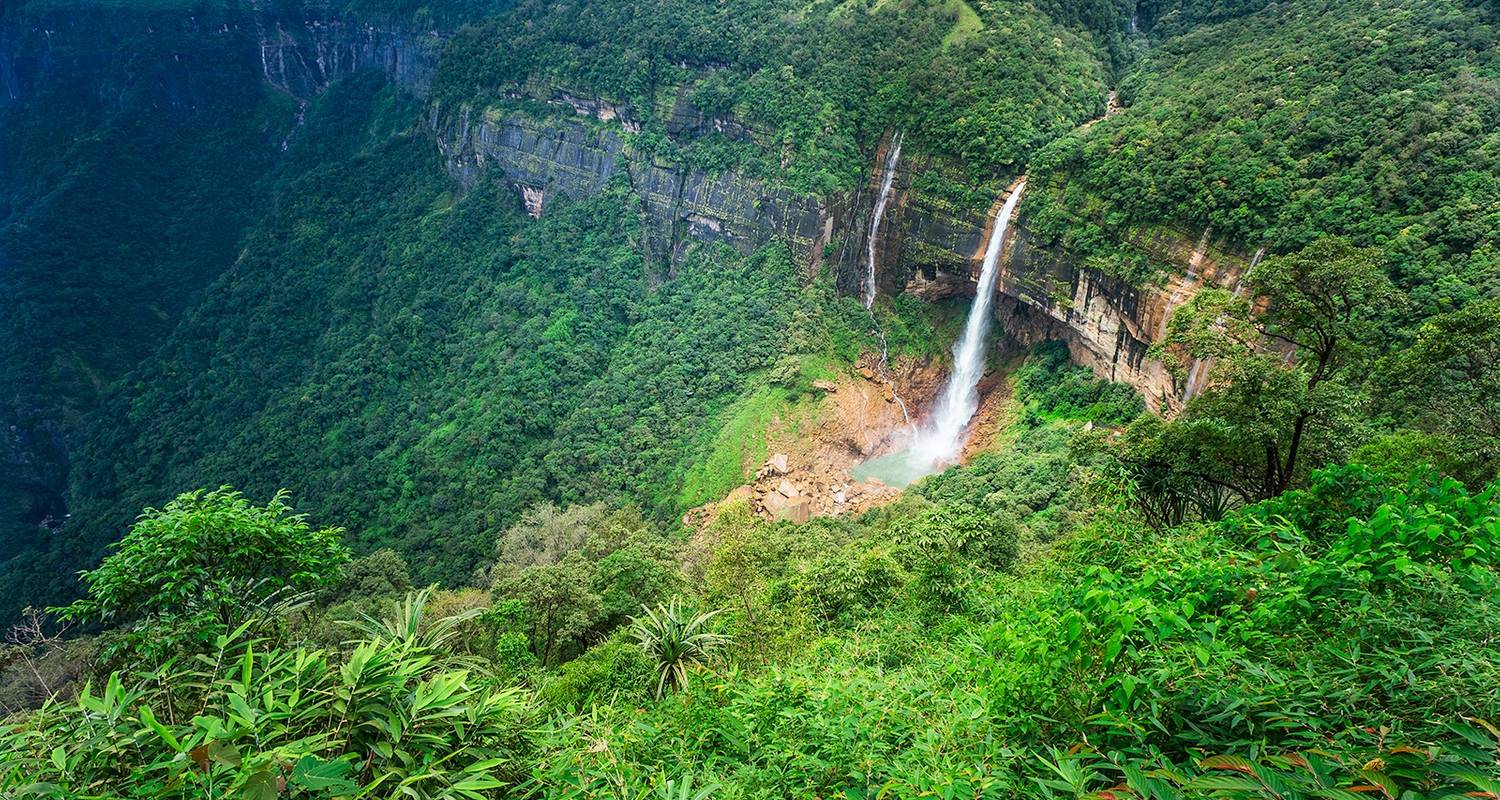
This tour of 12 days takes you to famous destinations which are not only rich in culture but also in history.
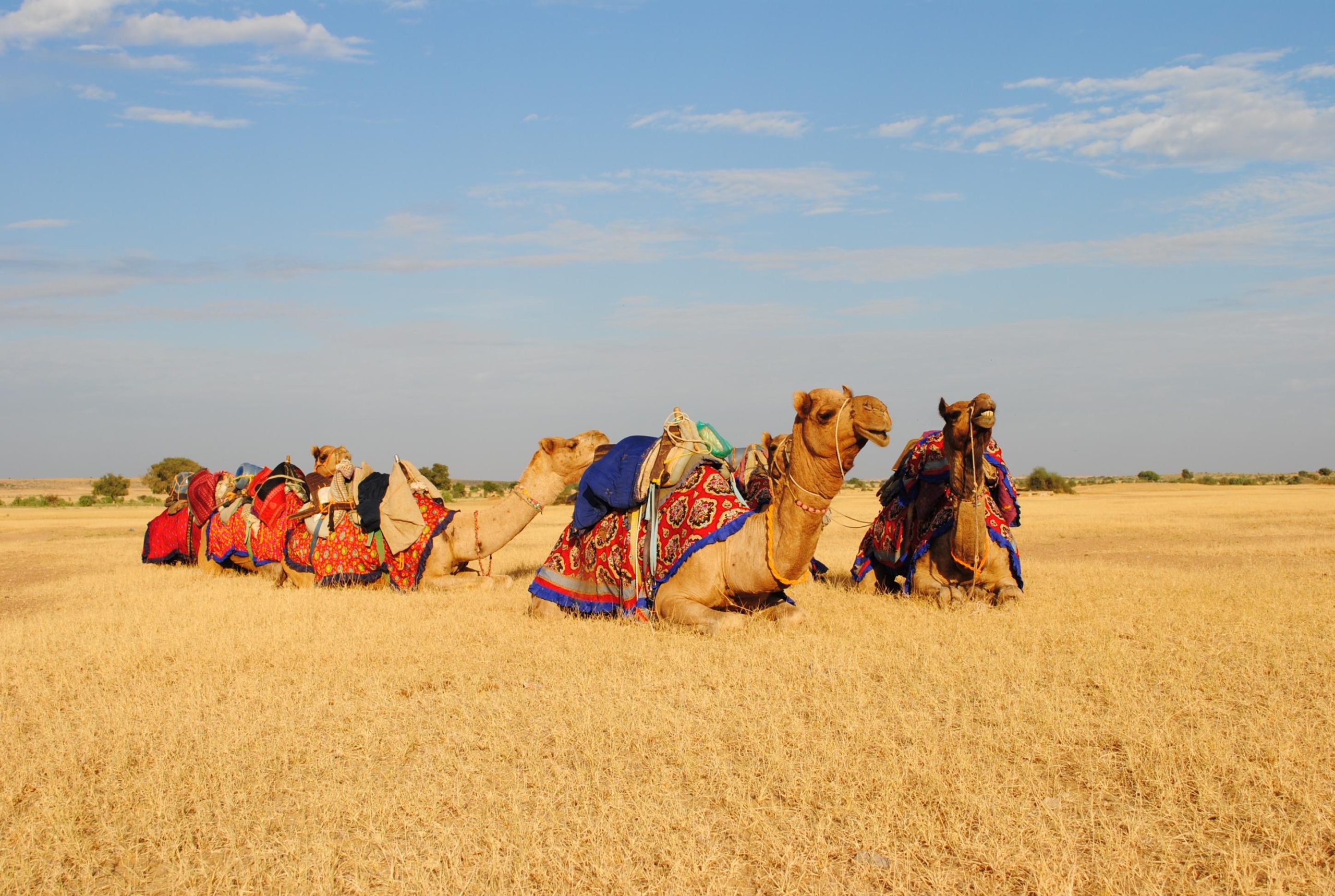
Rajasthan Tour With Taj Mahal
This tour of 15 days takes you to four famous destinations which are not only rich in culture but also in history.
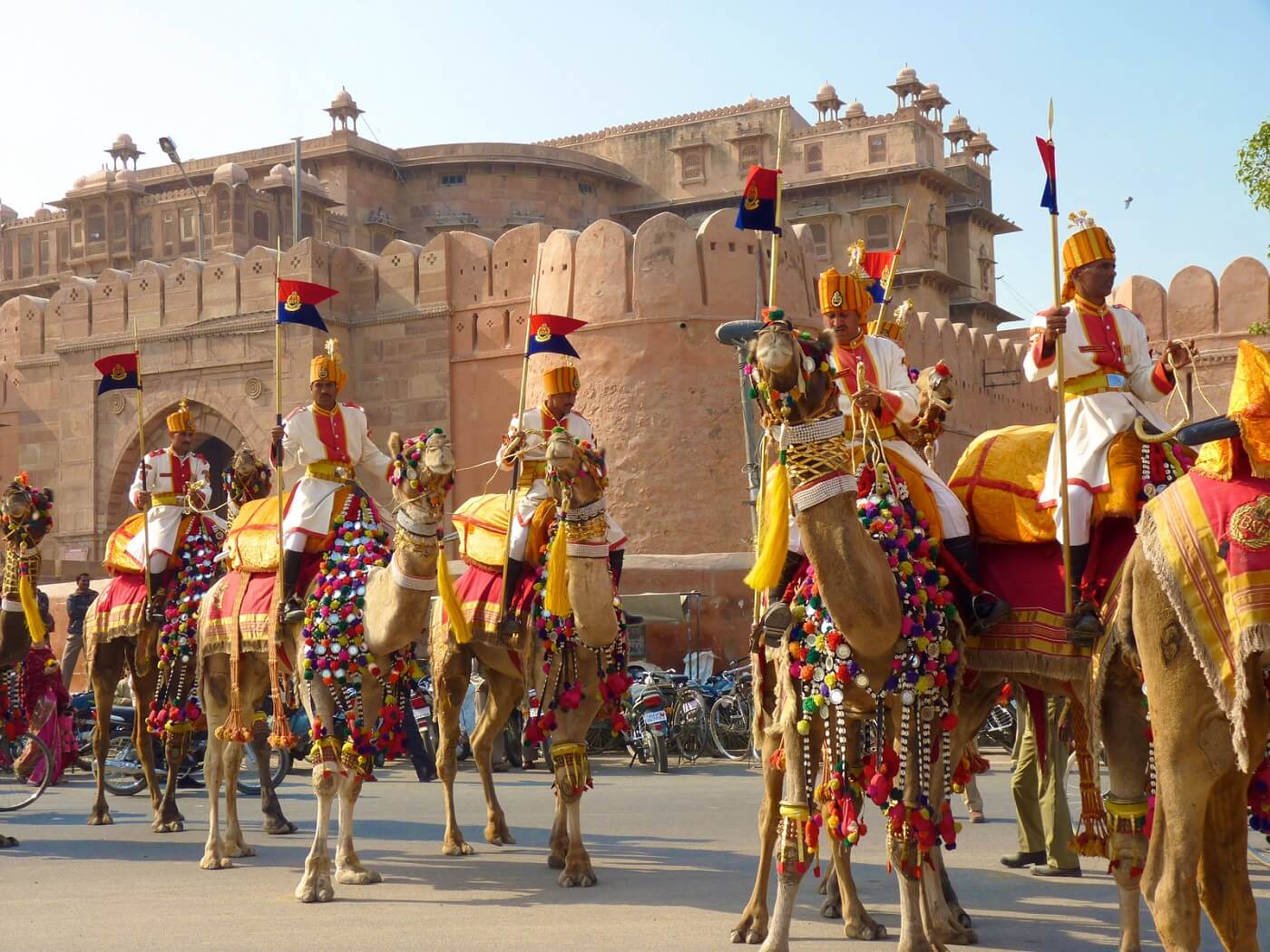
The Grandeur Of Rajasthan
This tour of 15 days takes you to four famous destinations which are not only rich in culture but also in history.
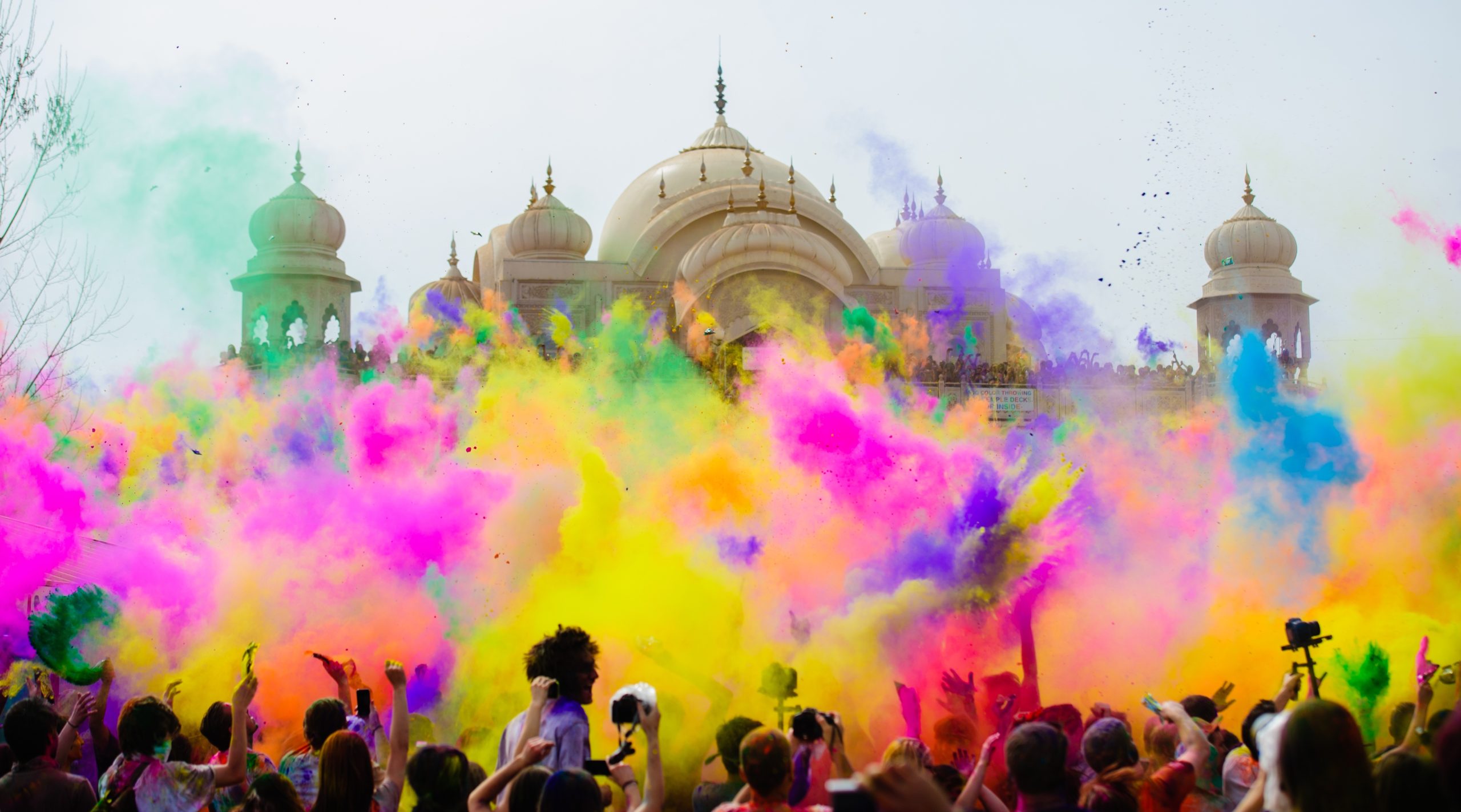
Clasic India
Orchha-Khajuraho and Varanasi famous destinations which are not only rich in culture but also in history.
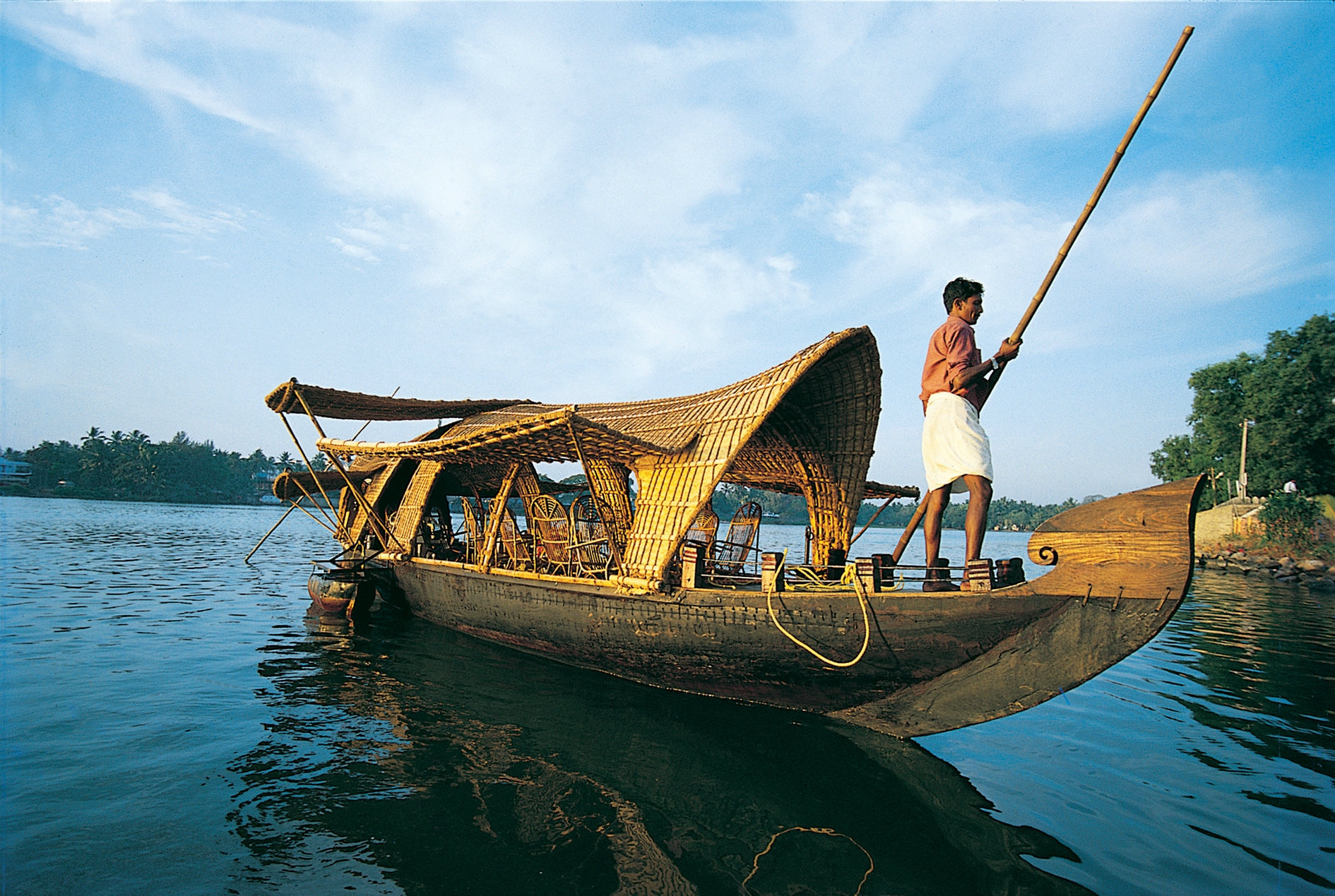
Kerala Tour
Visit the lush green tea gardens or wildlife sanctuaries and rediscover the true wonder built by nature in India.