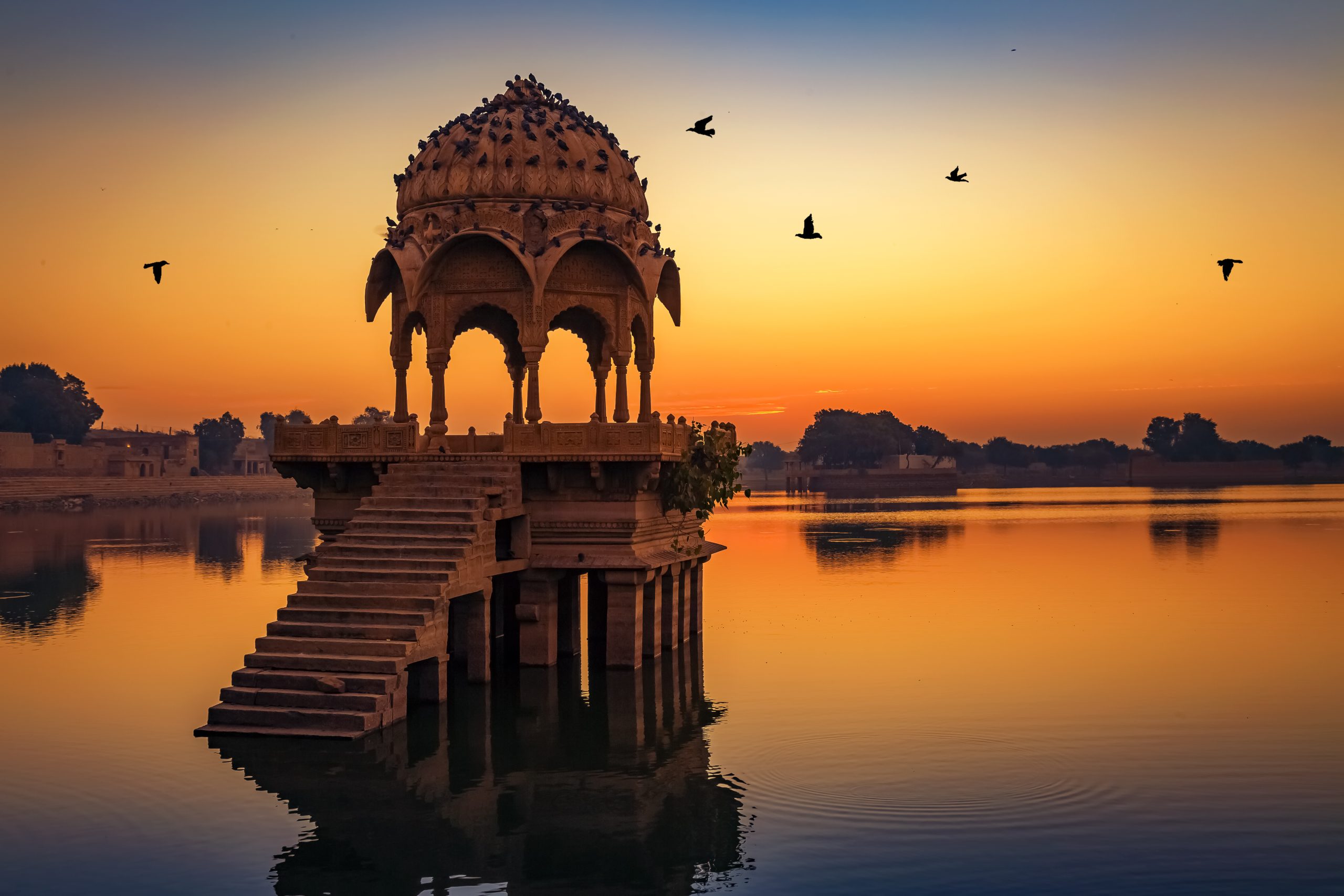

Northern India
Northern India
India is a magical country full of spirituality, history, culture, diversity, traditions, etc. To make your visit to India memorable, you must start exploring it by taking up 15-Days Classic India – Covering the Golden Triangle of Delhi-Jaipur-Agra, along with rustic towns of Dholpur-Gwalior and spirituality at its best at Orchha-Khajuraho and Varanasi, famous destinations which are not only rich in culture but also in history.
Arrive Delhi. Meet and assist on arrival and transfer to the hotel. (Hotel check-in 1400 hrs ). Overnight
Following breakfast at the hotel, proceed for a sightseeing tour of Old and New Delhi, including a rickshaw ride (pedicab) in Chandni Chowk [Red Fort is closed on Mondays]
Old Delhi – Situated in a strategic position on the west bank of the Yamuna River, between the Himalayas and the Aravalli Hills, Delhi is the gateway to the rich alluvial soils of the Ganges plain and has, according to Indian folklore, been occupied since 2500 BC. The original city, Indraprastha, was the first of nine. Shahjahanabad or Old Delhi, the 7th city, was built when the Mughal Emperor moved his capital back to Delhi from Agra in 1638. Planned out in blocks with wide roads, residential areas and bazaars, Chandni Chowk, now thought to be Asia’s busiest street, was the main artery.
Literally translated as ‘Silver Street ’, this bustling market area of Old Delhi is good for hunting down new and antique gold and silver jewellery from craftsmen whose forefathers served the emperor. At the 1911 Delhi Durbar, King George V announced that the capital of India was to move from Calcutta to Delhi.
Inaugurated in 1931, the ambitious work of British architects Sir Edwin Lutyens and Herbert Baker, New Delhi is an audacious statement of Imperial British control over India. Today, the difference between bustling Old Delhi and the calmer, tree-lined avenues of New Delhi is striking.
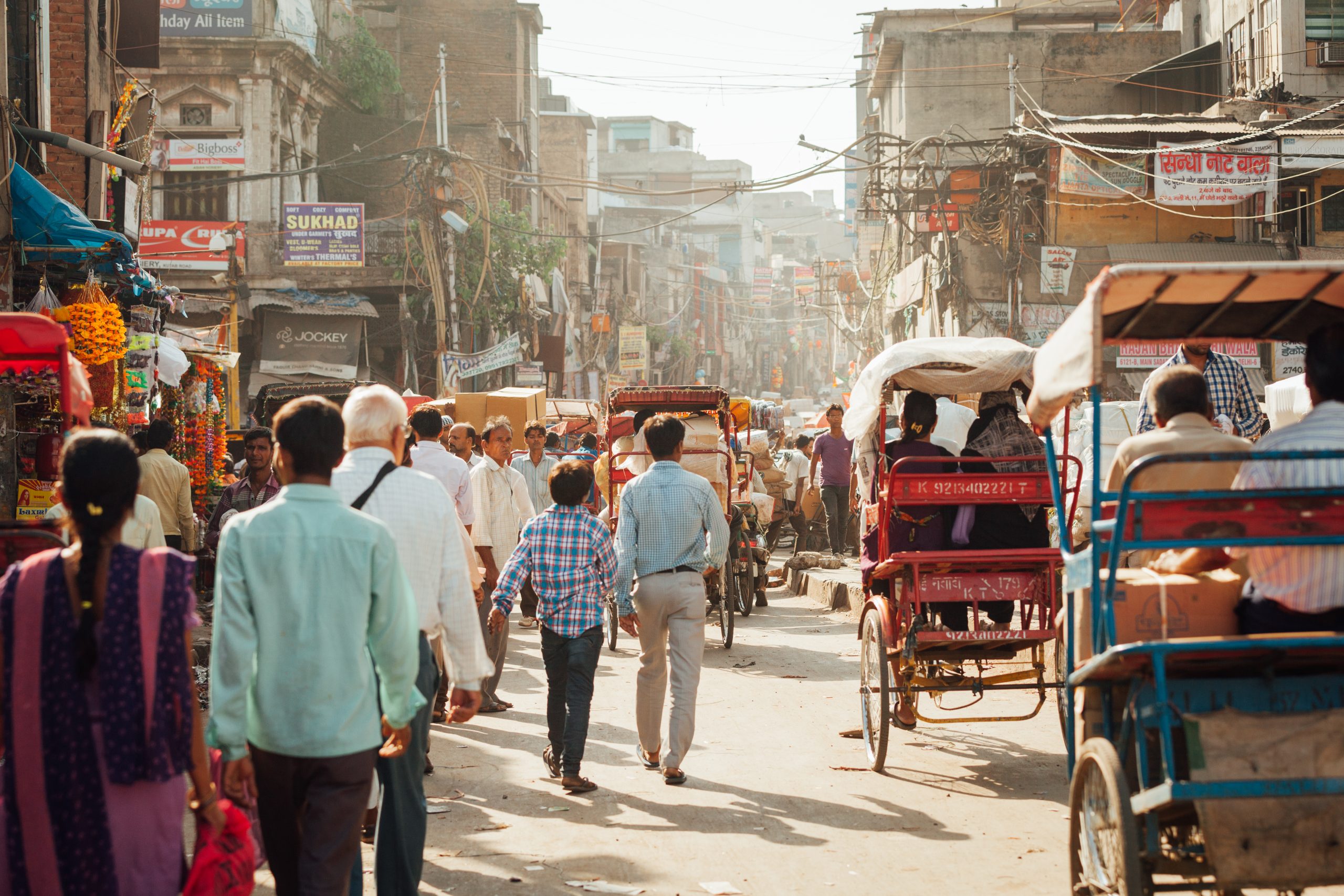
Chandni Chowk, Delhi
New Delhi was planned and built by the British in the 1920s and is characterised by Sir Edwin Lutyens’ monumental architecture. Driving through the city, with its wide tree-lined avenues, discover India Gate and the Diplomatic Enclave, the Central Secretariat and the President’s House. Visit Humayun’s Tomb, aptly called the predecessor of the Taj Mahal because of its ornate Mughal style of architecture, later perfected in the Taj Mahal. Finally, see the 12th-century Qutab Minar, considered one of the most perfect towers in the world, measuring 72m high. Continue to Connaught Place, New Delhi’s main shopping area and central hub. Rest of the day at leisure. Overnight stay at the hotel in Delhi .
Breakfast at the hotel and drive to Jaipur. Arrive and check in at hotel. Evening free to relax. Overnight
Following breakfast at the hotel, an excursion to Amber to visit Amber Fort with an elephant ride uphill and a jeep ride downhill
Amber. Originally the ancient capital of the Kachawahas clan, from 1037 the ancient town of Amber, 12km from Jaipur, is dotted with ancient temples, havelis, and step wells. High above the town and surrounded by defensive fortification walls sits the impressive Amber Palace. Built by Raja Man Singh in the early 17th century, it houses mighty gates, temples, huge ornate halls, palaces, pavilions and gardens. Amber Palace is a perfect blend of Hindu and Muslim architecture, and once at the top, the Palace affords excellent views of the surrounding countryside and town below.
The 10-minute walk through a series of five defensive gates will bring you to the Suraj Pol (Sun Gate), the main entry to the Palace. As an alternative, it is possible to arrive at the Palace on the back of an elephant or drive up by jeep.
Having visited the fort, it is also possible to take a guided heritage walk of the often overlooked Amber village. This walk takes in seldom-visited temples, havelis, step wells and a fascinating museum of textiles.
Afternoon, proceed for a sightseeing tour of Jaipur, visiting the City Palace, Hawa Mahal and the Observatory
Following breakfast at the hotel, check out from the hotel and transfer by road to Agra, en route visiting Abhaneri Step Well and Fatehpur Sikri
Abhaneri Step Well, or the Chand Baori, is a stepwell built over a thousand years ago in the Abhaneri village of Rajasthan. It is one of the largest stepwells in the world and also one of the most beautiful ones. Located in the eastern part of the province of Rajasthan, it was built by King Chanda somewhere in the 9th century.
Fatehpur Sikri – Despite having many wives, 26-year old Akbar had no living heir, as all his children had died in infancy. Sheikh Salim Chishti, a Sufi saint living in the village of Sikri, predicted Akbar would have three sons, and with the birth of Salim (named after the saint and later known as Jahangir) and in recognition of the saint’s prophecy, Akbar built a new capital at Sikri in his honour. 37km southwest of Agra, this remarkable UNESCO World Heritage Site served as the Mughal capital from 1571. Due to an ever-increasing population and erratic water supply, the red sandstone city was abandoned in 1585. Fatehpur Sikri, the town of victory, was the Mughals’ first planned city to feature designs that amalgamated Hindu, Persian and Islamic design. Today, the complex of buildings, including the Diwan-i-Am and the Diwan-i-Khas, the Panch Mahal and Jodha Bai’s Palace, are perfectly preserved. Inside the Jama Masjid Mosque, completed in 1571, is the stunningly carved white marble tomb of Sheikh Salim Chishti.
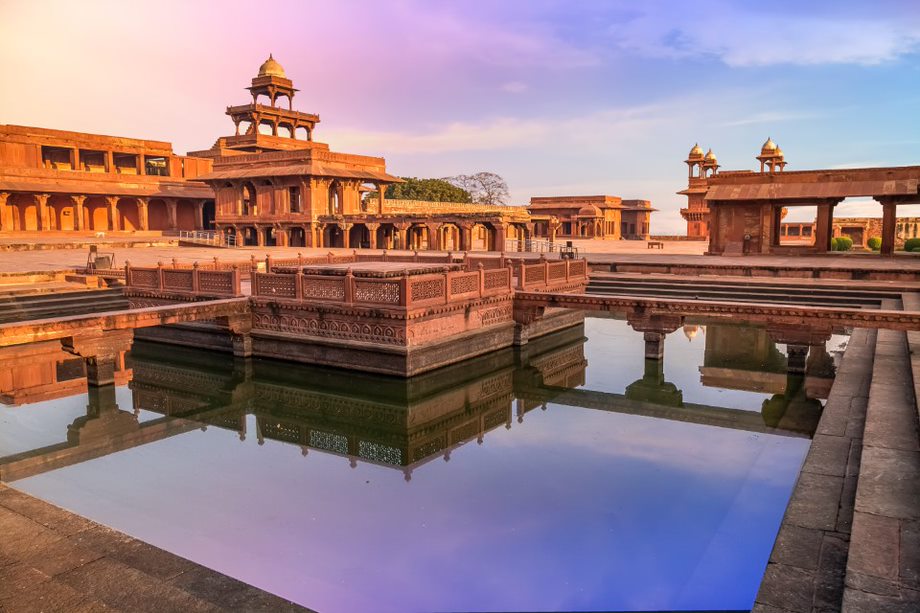
Fatehpur Sikri, Agra
Today, childless couples hoping for a son visit the tomb and, in seeking the saint’s blessing, tie a woollen thread to the outer Jali screens. Arrive in Agra and check in at the hotel. Overnight
Visit the Taj Mahal at sunrise. [Taj Mahal is closed on Fridays]
Taj Mahal – Built by Emperor Shah Jahan in memory of his wife Mumtaz Mahal, who died giving birth to their fourteenth child in 1631, the Taj Mahal is described by the Indian poet Rabindranath Tagore as ‘a teardrop on the face of eternity’. Heartbroken by her death, legend has it that Shah Jahan’s hair turned grey overnight and that he turned his back on running the empire, concentrating instead on the construction of this monument to love. Construction took 22 years, and the Taj was completed in 1653 at a speculated cost of 3 million rupees, equivalent to around 70 million US Dollars today. Overnight stay at a hotel in Agra.
Also visit Agra Fort – built in Red sandstone by Emperor Akbar. Afternoon drive to Dholpur and check-in at the most impressive Palace Hotel. Overnight
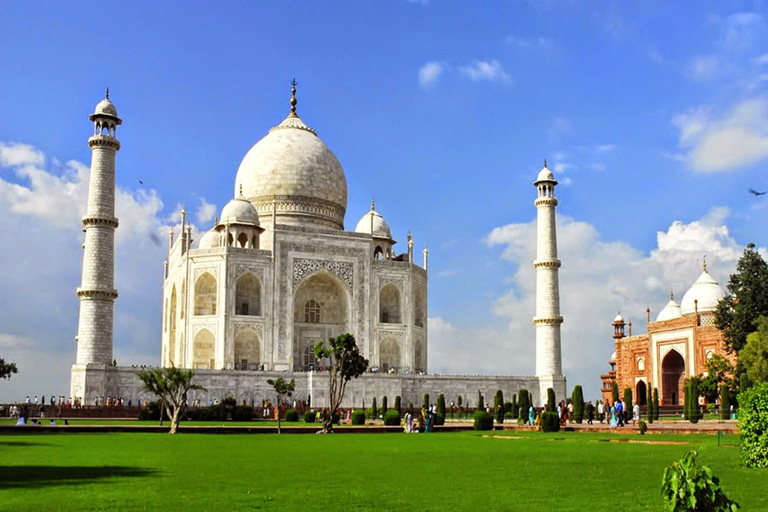
Taj Mahal, Agra
Breakfast at the hotel. Dholpur is a city in the easternmost parts of the state of Rajasthan, India. It is the administrative headquarters of Dholpur District and was formerly the seat of the Dholpur princely state, before Independence.
Morning: enjoy a Chambal Ravine Safari – The steep Chambal River itself offers a pretty natural panorama, making you feel as if history is flowing past you. Your imagination runs wild. You can feel the presence of fierce warriors, daring dacoits and hardened people. However, in spite of all its ruggedness, the Chambal valley has always been inviting to mankind since time immemorial. While at one end the labyrinths of the valley have been providing shelter to the rebels, on the other hand, the pure icy cold water of the Chambal river has instilled zeal and vivacity in the natives of this region.
Bordering the states of Rajasthan and Uttar Pradesh, the Chambal belt of Northern Madhya Pradesh is full of zigzagged ravines. A journey through this valley reveals great secrets of this old civilisation
Technically, ravines are formed when the upper layer of vegetal cover is not strong enough, and the roots of trees are unable to hold and bind the soil together. Constant rainfall erodes the soil and washes away the crust of the earth. Consequentially, the water flow turns into drains, creating cracks. In due course of time, these cracks are further eroded and become large ravines. In Bhind and Morena districts are high grounds where rainfall, the Chambal River and its tributaries have eroded the land, resulting in huge cracks and valleys. These deep valleys are the Chambal Ravines.
The area we cover in JEEP SAFARI through the ravines starts with visiting the Shergarh Fort. Through the small muddy tracks among the ravines and along the banks of the river, we explore village life through small villages hidden deep into the ravines along the Chambal River. Life is full of hardships as the land available for agriculture is scarce. 5-hour safari programme which covers Shergarh Fort, Talab-e-Shahi, Nadi Ka Tal, Van Vihar and a glimpse into Chambal ravines and village life (visiting Gama village and banks of Chambal)
Late afternoon, enjoy a Chambal Boat Safari– -Part of the river was declared the National Chambal Sanctuary, which was founded in 1978 and is part of a large area of 5,400 km. Co-administered by three states: Rajasthan, Madhya Pradesh and Uttar Pradesh collectively. Approximately 400 km of the river is within the reserve’s area. The Chambal River remains one of North India’s most unpolluted rivers, home to a rich diversity of flora and fauna. It contains the rare Ganges river dolphins; the other inhabitants of the sanctuary include Mugger Crocodiles and Migratory Birds from Siberia, forming its rich avian fauna.
The best way to experience the Chambal Sanctuary is to take a boat safari on the Chambal River, experiencing the magnificent Ravines on one side of the bank and abundant wildlife on the expanse of the river on the other side. The safari is for one hour (extendable on a pro rata basis), and your boat escort takes you quite far into the river bed to experience the natural habitat of gharials, crocodiles, turtles and close to 300 species of resident and migratory birds. Overnight
Breakfast at the hotel and drive to Gwalior - the princely state of india. and surrounded by beautiful hills on three sides, Gwalior is studded with numerous monuments. Arrive and check in at the hotel.
Later, visit Gwalior Fort, which dominates the city, and was built by Suraj Sen in gratitude to ‘Gwalipa’, an ascetic who had cured him of leprosy. Gwalior Fort, built by Raja Man Singh Tomar, is one of the biggest and best forts in India, and contains several palaces and temples.
Also visit the Jai Vilas Palace and Museum, containing a miniature silver train which runs on rails round the large dining table to serve guests, amazing crystal chandeliers and crystal stair bannisters, as well as more personal mementoes of the Scindia family.
Morning free to witness Holi – Festival of Colours celebrated with great fervour in Northern India. People enjoy throwing coloured water on each other. Afternoon drive to Orchha and check-in at the hotel. Overnight
Orchha – Following breakfast, check out of the hotel and drive to Orchha. The sleepy town of Orchha beside the Betwa River, with its medieval palaces and temples, was once the capital of the Bundela rulers. Captured in stone and frozen in time, the rich legacy of this medieval city remains. The palaces and the temples built in the 16th and 17th centuries still retain much of their pristine perfection. Jahangir Mahal, the most impressive of the three palaces, was built for the Mughal Emperor, synthesising Muslim and Hindu architectural styles; this 3-storey palace is built around a large central courtyard. Within the Raj Mahal Palace, there are beautiful religious and secular paintings. One series is devoted to scenes from the Ramayana. The Ram Raja Temple in the town centre is the only palace-turned-temple in the whole of India where Lord Ram is worshipped as a king.
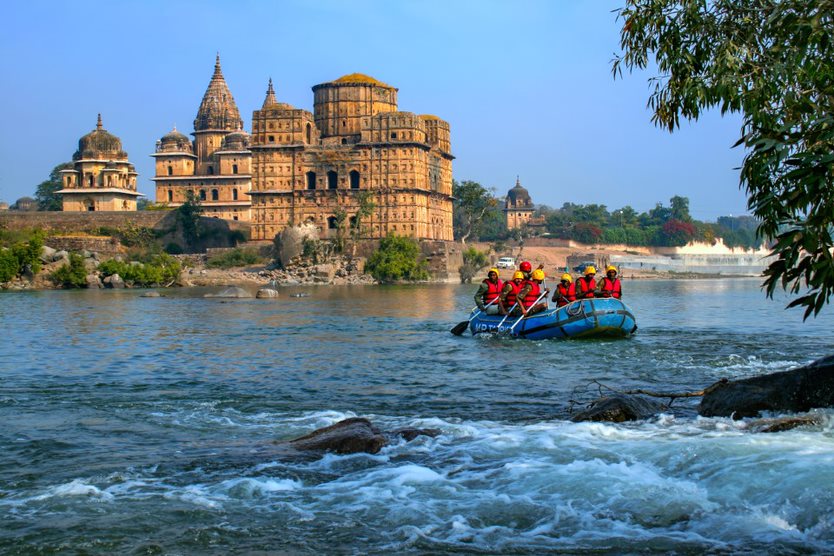
Orchha, Madhya Pradesh
The imposing Chaturbhuj Temple dominates the town, and the 15 Royal Chhattris beside the river house the tombs of the former rulers. In 1783, the Bundela kings moved to Tikamgarh and, subsequently, Orchha (meaning ‘hidden city’) fell into decline and was shortly abandoned. Arrive and check in at the hotel. Afternoon: explore Orchha.
Breakfast at the hotel and drive to Khajuraho.On arrival in Khajuraho, check-in at hotel. In the evening, enjoy the Sound and Light show depicting the history of the temples in Khajuraho. Overnight stay at the hotel in Khajuraho.
Following breakfast at the hotel, proceed for a sightseeing tour of Khajuraho, visiting the famous Western and Eastern Group of Temples. Explore the magnificent temples renowned for their exquisite carvings and remarkable architecture. Afternoon free at leisure. Overnight stay at the hotel in Khajuraho.
Khajuraho: An abundance of date palms (Khajura) in the area may have led to the name of the famous temple town and World Heritage site of Khajuraho. Discovered by British Army engineers in 1839, the complex had been lost for centuries. Out of the original 85 temples, the 20 that survive are amongst the best in India and were built by the Chandela kings between 950 AD and 1050 AD. The Chandelas followed a tantric cult and believed that gratification of earthly desire was a step towards spiritual liberation.
The exquisite carvings and erotic sculptures on these magnificent temples reflect an opulent lifestyle free of any inhibitions. The most important temples are the Chausath Yogini Temple, the Mahadev Temple, and the Chitragupta or Bharatji Temple, with its lovely 11-headed image of Vishnu. The Kandaria Mahadev Temple, which is the largest, is dedicated to Shiva. Afternoon free to relax. Overnight
Breakfast at the hotel and transfer to the airport in time to connect a flight to Varanasi.
On arrival in Varanasi, meet and assist at the airport and transfer to the hotel
Dashashwamedh – Evening visit to Dashashwamedh Ghat by boat to witness the evening aarti (prayer) ceremony
One of the oldest continually inhabited cities in the world, Varanasi has a uniquely spiritual atmosphere and is one of the holiest places in India. Observing the early morning riverside rituals from a boat on the Ganges is a special experience. See people lost in prayer, washing themselves, doing the laundry. The cycle of life is laid bare in Varanasi, and this is particularly evident on the cremation ghats. The evening rituals, including the ‘Aarti’ prayer ceremony, are magical.
To see hundreds of ghee candles floating down the river at this time is truly memorable. Temples of note include the Bharat Mata Temple and the Durga Temple, also known as the Monkey Temple. Emperor Aurangzeb’s Mosque, the Well of Knowledge and Vishwanath Temple, known as the “Golden Temple”, are also worth visiting. Overnight stay at a hotel in Varanasi.
Early morning boat ride on the River Ganges. Return to hotel for breakfast. Following breakfast, morning at leisure.
Afternoon excursion to Sarnath [Sarnath Museum is closed on Fridays]
Varanasi – 8km from Varanasi is the holy Buddhist city of Sarnath. Lord Buddha gave his first sermon here after attaining enlightenment at Bodh Gaya. The huge Dhamek Stupa marks the spot where Buddha first preached. The Sarnath Museum has a small but extremely impressive collection of Buddhist artefacts, including the famous Lion Capital of Ashoka. Rest of the day at leisure. Overnight stay at a hotel in Varanasi
Breakfast at the hotel and, on time, transfer to the airport to connect a flight to Delhi. Arrive and transfer to the hotel. Overnight
Breakfast at the hotel (Hotel check-out 1200 hrs). In time, transfer to the airport to connect your flight back home
FEATURED
Itineraries
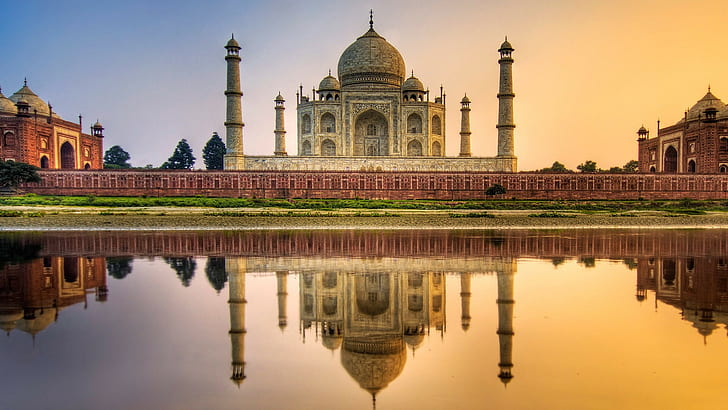
Golden Triangle Tour
This tour of 7 days takes you to three famous destinations which are not only rich in culture but also in history
Karnataka & Goa
Covering Karnataka & Goa famous destinations which are not only rich in culture but also in history.
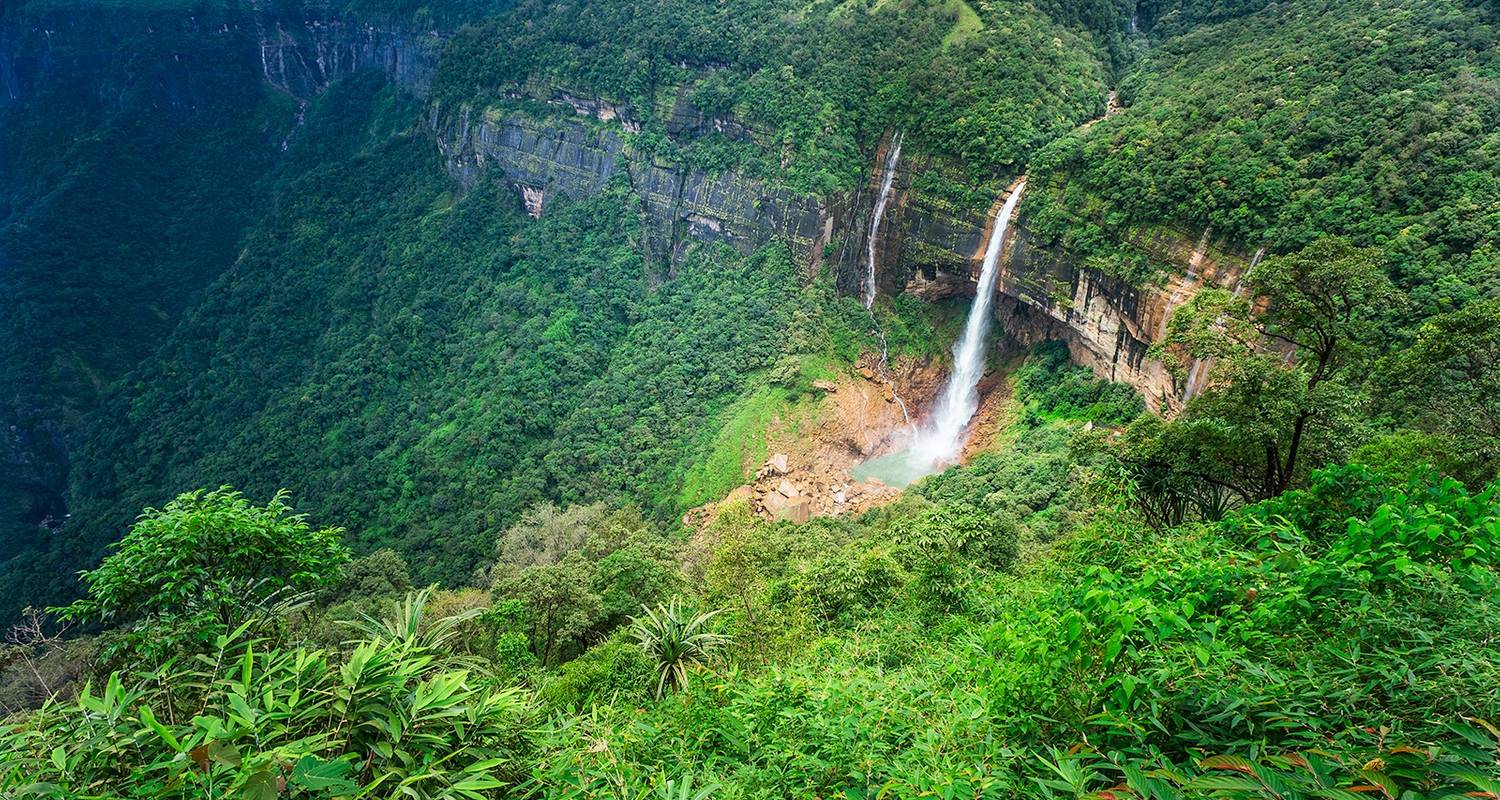
Kolkata-Assam & Meghalaya Trip
This tour of 12 days takes you to famous destinations which are not only rich in culture but also in history.
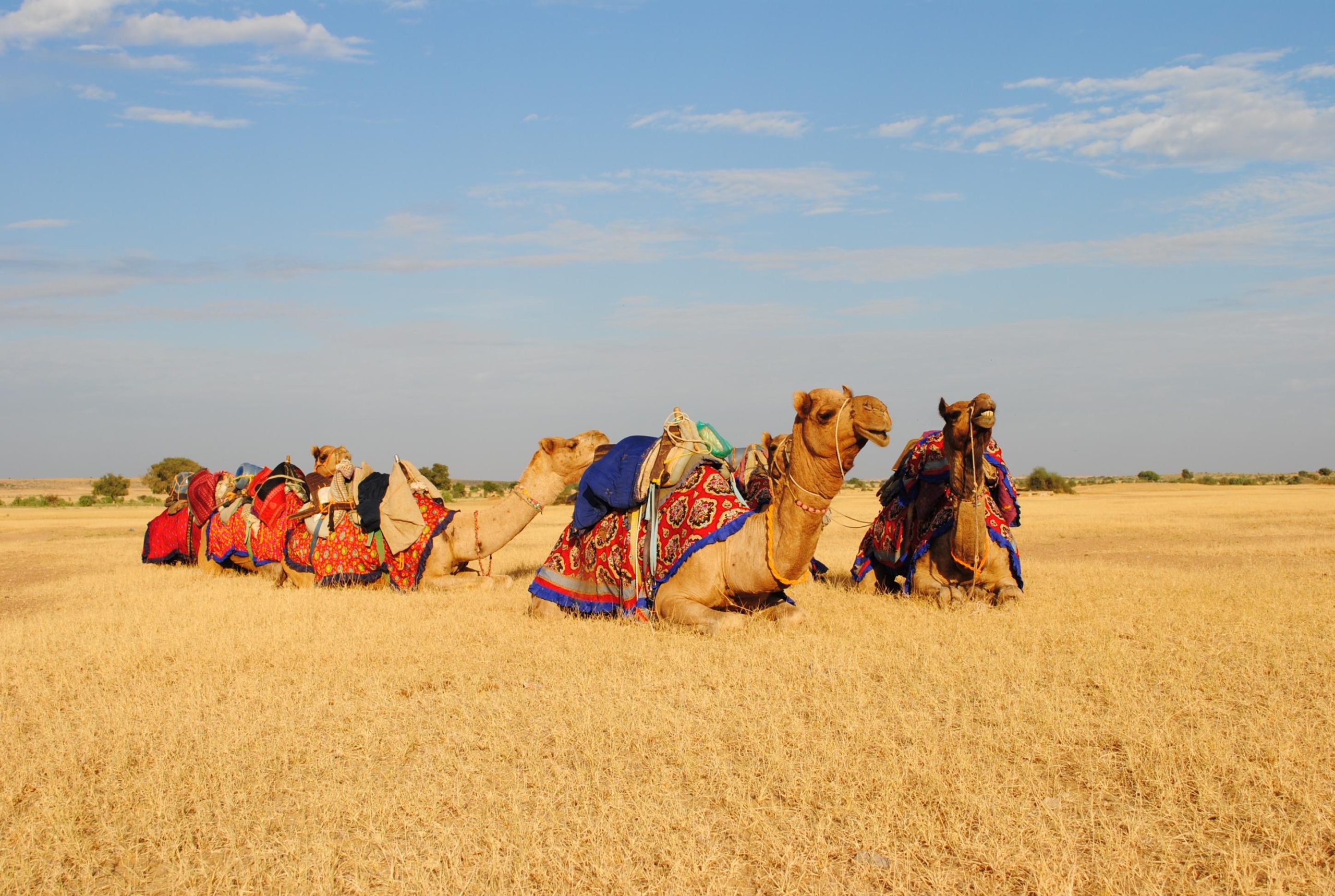
Rajasthan Tour With Taj Mahal
This tour of 15 days takes you to four famous destinations which are not only rich in culture but also in history.
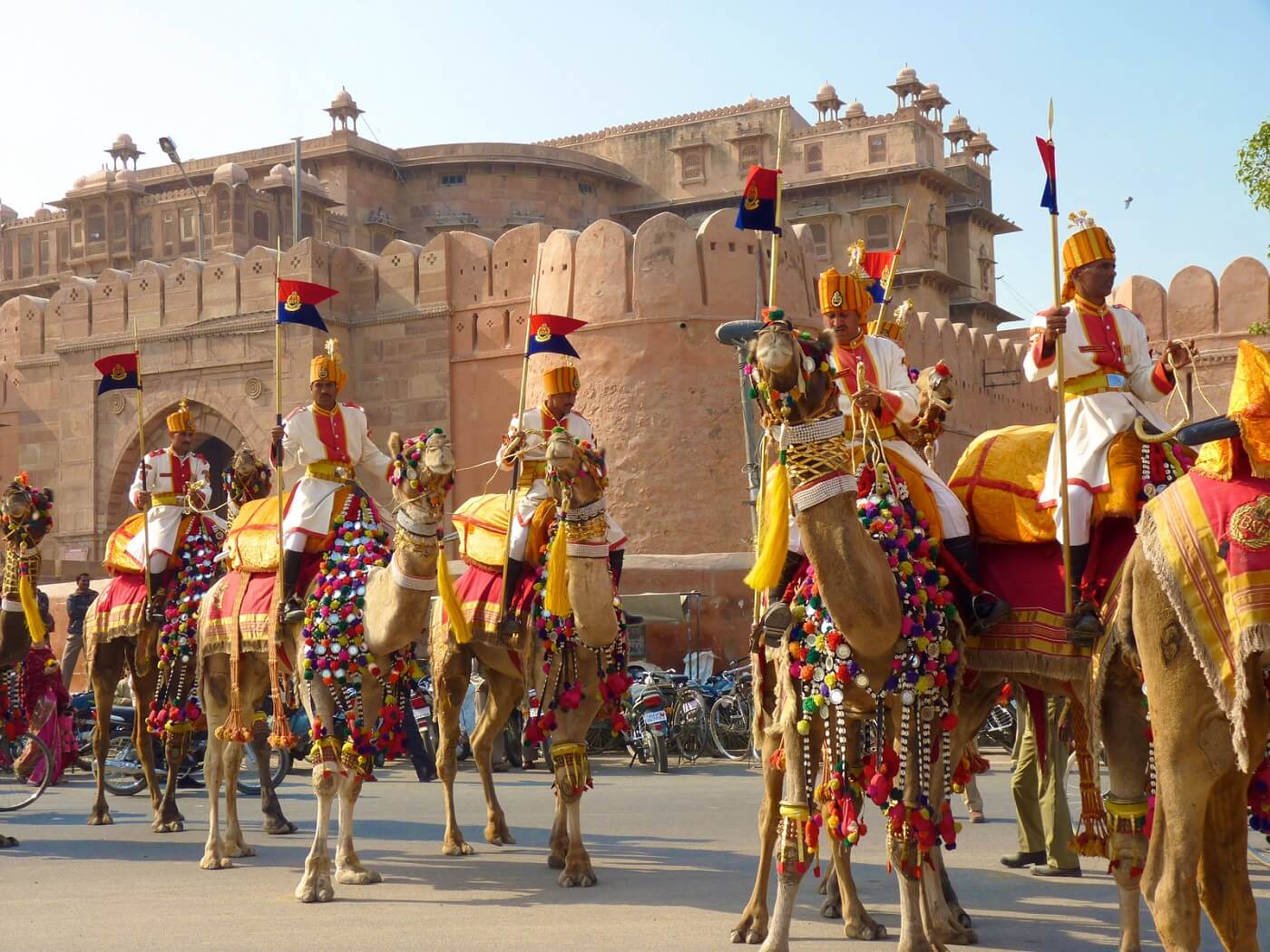
The Grandeur Of Rajasthan
This tour of 15 days takes you to four famous destinations which are not only rich in culture but also in history.
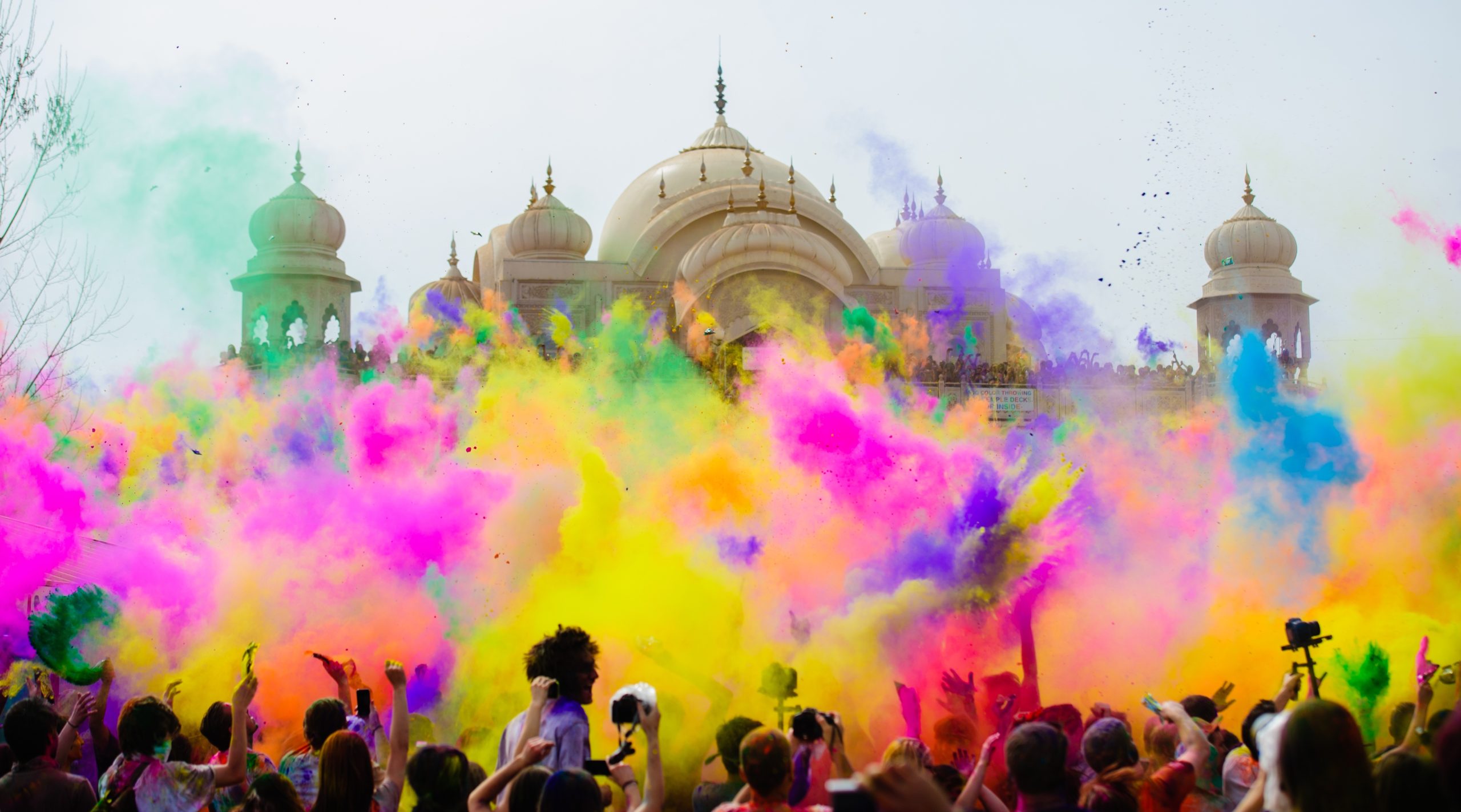
Clasic India
Orchha-Khajuraho and Varanasi famous destinations which are not only rich in culture but also in history.
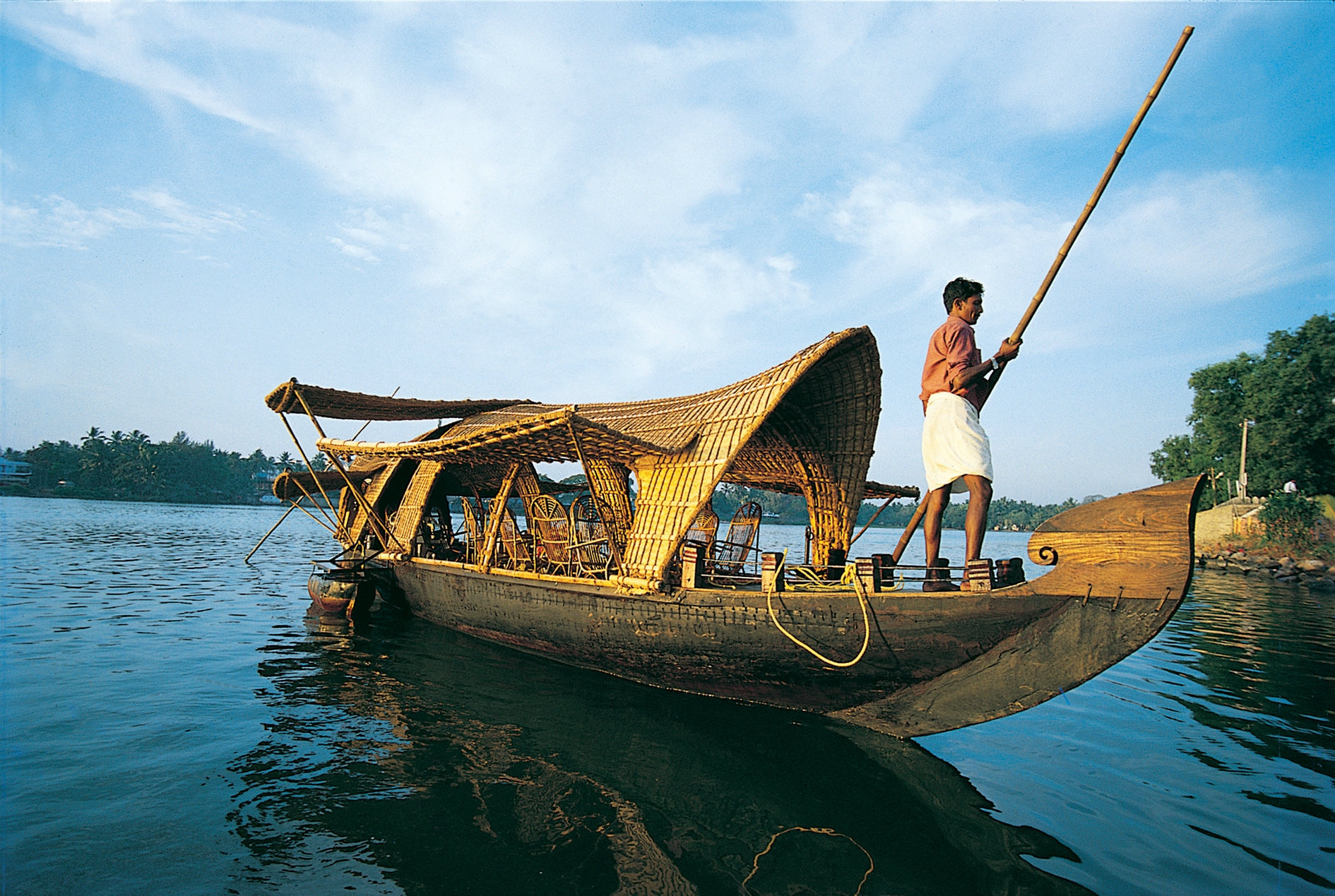
Kerala Tour
Visit the lush green tea gardens or wildlife sanctuaries and rediscover the true wonder built by nature in India.