

North - East India
North - East India
India is a magical country full of spirituality, history, culture, diversity, traditions, etc. In order to make your visit to India memorable, you must start exploring it by taking up a Kolkata-Assam & Meghalaya tour. This tour of 12 days takes you to famous destinations which are not only rich in culture but also in history.
Met on arrival and transferred to the hotel. Overnight
Breakfast at the hotel and proceed for a full-day city tour of Kolkata with a guide. Visit Victoria Memorial, St. Paul’s Cathedral, Couple of important churches
Drive Past Fort William (Inside visit is not allowed as it’s under the control of the Army), Raj Bhawan, Kali Temple, Jain Temple, Mother Teresa’s Centre, Tagore House, Hooghly Bridge, Kumhar Toli (Colony of Idol makers)
Breakfast at the hotel.
Breakfast at the hotel. Morning excursion to Belur Math, sprawling over forty acres of land on the western bank of the Hooghly (Ganga), in Howrah district, an hour’s drive from Kolkata, is a place of pilgrimage for people from all over the world professing different religious faiths. Even people not interested in religion come here for the peace it exudes. Afternoon return to Kolkata.
Breakfast
Morning flight to Guwahati. Hotel-Airport-Hotel transfers
Afternoon visit to Kamakhya Mata Temple
- Breakfast
- Move to Shillong.
- Visit Umiam Lake
- Visit Don Bosco Centre for Indigenous Cultures
- Dinner at hotel (Included)
Don Bosco Centre for Indigenous Cultures (DBCIC) is a three-in-one Institution combining a museum with a research and publication centre for promoting and preserving the rich cultural heritage of North-East India -a unique fusion of all the sister states under one roof. DBCIC contains seventeen galleries displaying cultural artefacts and paintings. It offers study and research facilities throughout its specialised library of 10,000 volumes, a media hall and a conference hall.
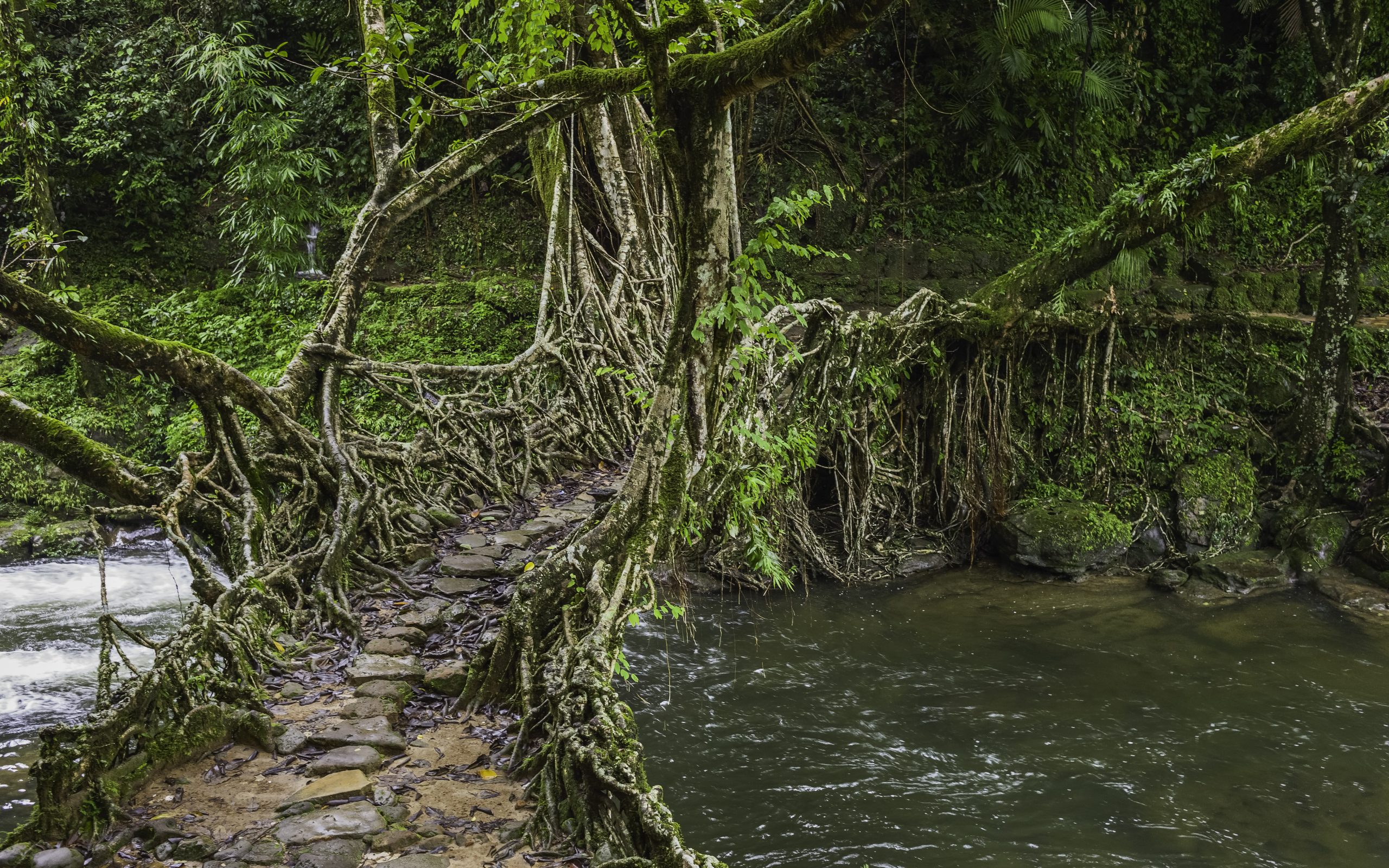
Shillong , Meghalaya
It is frequented by school students, older research students, and anthropologists.
- Breakfast
- Move to Cherrapunjee
- En-route visit Mawphlang Sacred Forest, Duwan Sing Syiem View Point & Wah-Kaba Falls
- Lunch break (Not included/ You may have lunch on direct payment basis)
- Check-in at hotel in Cherrapunjee
- Relax
- Dinner at hotel (Included)
Cherrapunjee is 56 kms from Shillong and is literally the high point of any visit to Meghalaya -a destination renowned all over the world for receiving the highest rainfall in the world. Set against the backdrop of a breathtaking landscape, it is a place to discover the Indian summer monsoons, a unique annual meteorological phenomenon directly influenced by the southwest monsoon and the northeast winds. The heavy monsoon rains over these mountains undoubtedly create in Sohra one of the rarest biodiverse vegetations in the world. Truly a beautiful corner in north-east India, waiting to be discovered and explored. The old Cherra or Sohrarim was the original Cherra village, but with the coming of the British, who set up their headquarters further south, the village came to be known as ‘Sohra’ or present-day Cherrapunjee. It was here that the British realised the enormity and intensity of the rainfall and set up a meteorological office for measuring the rain.
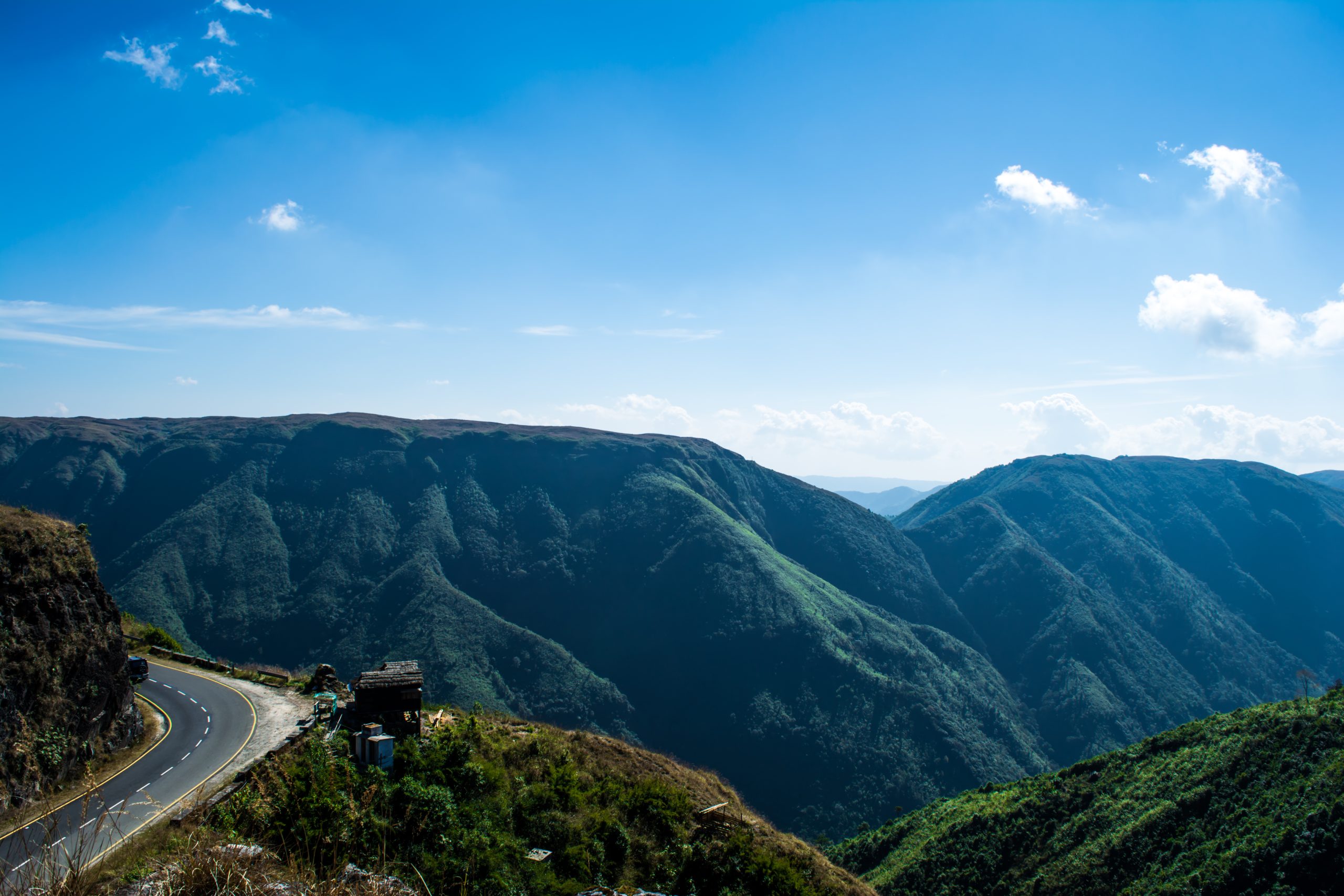
Cherrapunjee , Meghalaya
Sohra was declared by the British to be the capital of Assam in 1832, which was later shifted to Shillong in 1866 due to the inclement weather.
Mawphlang Sacred Forest – Just 28 kms away from Shillong is Mawphlang Sacred Forest, one of Meghalaya’s most celebrated sacred forests, as forests all over the world are steeped in spiritual belief and held in great veneration. They also represent some of the earliest representations of preserving ancient ecosystems. This is a dense forest where the Lyngdoh (chief) used to offer sacrifices and prayers. Not a branch should be broken, or else a curse may befall that person. This grove is surrounded by a lush green valley, and a great variety of plants like orchids, including the carnivorous varieties and ferns grow here.
Duwan Sing View Point – Situated 38 kms from Shillong, Duwan Sing View Point, overlooking the Mawkdok Dympep Valley, extends right up to Sohra. It offers a stunning view of a tabletop mountain with lush green vegetation, giving it an unmatched, spectacular panoramic view of two parallel mountains going with each other. Dense forest, along with a meandering river and the clear blue skies, adds more picturesque beauty to this viewpoint.
Wah-Kaba Falls –Situated on Shillong – Cherrapunji Road, it is one of the popular waterfalls in Cherrapunjee. This elegant waterfall has a legendary story of its own. In the past, there lived two fairies in this Waterfall- one black and one white. The waterfall drops from a steep rocky side and plunges hundreds of meters down to a gorge. The water flowing through the falls is crystal clear, but surprisingly the water tastes nasty. Situated right on the roadside, it is easily accessible and needs a short hike to reach the waterfall viewpoint.
- Early Breakfast
- Hike to Double Decker Living Root Bridge.
- Lunch Break (Not included/ You may buy some snacks from en-route stalls, or have lunch at the hotel after reaching back, on a direct payment basis)
- Visit Arwah Lumshynna cave, Nohkalikai Falls, Dainthlen Falls and Nohsngithiang Falls.
- Dinner at hotel (Included)
Double Decker Root Bridge and Natural Swimming Pools – Total distance of approximately 10 + 10 km, of which 5 + 5 km is by a beautiful mountain skirting road commanding a beautiful view of the valley and through three interesting Khasi villages and can be done by vehicle if anyone wants to save time and energy. This is one of the most beautiful and very popular treks. The high points of this trek are the Double Decker Root Bridge and the natural swimming pools in the river bed. The people of the gorge village, Nongriat, where the Double Decker Root Bridge is located, are very friendly and very special. The trek down stone steps is steep for almost half of the trek.
This trek is open throughout the year and is being used by the villagers of Nongriat, Nongthymmai and Mynteng daily, when it rains and when the sun shines. The steps become slippery during the monsoon months and have to be negotiated with little care to avoid slipping. The rivers in spate and streams and waterfalls in full flow during the monsoon months add magnificence to the root bridges spanning these rivers and streams. Contemplate the raw force of nature when the river is in spate after very heavy rainfall, standing on the Steel Rope bridges strung taut across the river 45 feet above normal water level. You need to be strong-willed and brave. Before reaching the Double Decker Root Bridge, you come across more Living Root Bridges and Steel Rope bridges. The valley scenery is very impressive. Beyond the Double Decker Root Bridge, you walk on level ground another 2 km (say 20 minutes) to reach Mawsaw Steel Rope Bridge. From here you access our famous natural swimming pools. The larger pool is deep, and we recommend only good swimmers to attempt it. The smaller pool can be used by others. However, when the river is in spate, please don’t attempt swimming. When the flow is normal, you can see the bottom of the pools very clearly; the water is very clear. The colour of the water is so inviting for a swim.
The Arwah Lawshynna Cave – East Khasi Hills District, Sohra. This Cave lies on the slope of U Lum Lawshynna Hill. It is approximately one kilometre in length. It is adorned with different types of carvings and formations designed by nature itself, which adds a lot of beauty to the place. A stream runs through the cave from beginning to end, making us feel as if we are walking in a river. The height is very high, and the breadth is very wide, but it gets narrower and narrower as we move further. Birds and bats frequently visit this cave and make it their home. The cave is covered by a thick forest, called the ‘Law Shynna’. Different types of local species of trees, orchids, wildflowers, shrubs, bamboos and coloured leaves are found in this forest.
On the way to the cave, there is a viewpoint from where we can see the beautiful Wahkaba Falls, the natural landscape and the river which flows to Bangladesh through Nongpriang Village and Sohkhmi Village. The hill where the cave is located is called ‘U Lum Shynna’. This hill is very high, and it overlooks Sohra town, and even the plains of Bangladesh could be seen from this hillock. That is why it is called Lum Shynna, which literally means Clearview. All through this hill, from North to South runs the David Scott Bridle path built by the British, which once upon a time connected the Brahmaputra Valley and the Surma Valley in Bangladesh. This path was used by people to go to Shillong or Laban, to the market and to Bangladesh for trade. This path is still visible now, while some parts are destroyed due to soil erosion and landslides caused by coal mining. Resting places for those who are tired are also found along the route. At the foot of this hillock, there are the remnants of the ‘Kyntursniang Village ’, a historical site where the foundation of the present Sohra Syiemship was laid by Buh Sing Syiem and his myntris.
Nohkalikai Fall – A hauntingly beautiful waterfall, cascading down from the top of the gorge to the mystic deep green pool below, reminds one of the tragic legend associated with it- of a grief-stricken mother who plunged to her death, unable to overcome her sorrow of the murder of her daughter by her husband.
Nohsngithiang Falls – also known as Mawsmai Falls- is 1 km south of Mawsmai village and derives its name from where the waterfalls are situated, in a south-westerly position and get illuminated by the sun from dawn to sunset. The vibrant colours of the setting sun on the waterfalls make it a sight to behold, as at times one can even see the colours of the rainbow emitted from them.
Dainthlen Falls – Just before reaching Sohra, a road to the right leads one to the falls, which is 5 kms away. The waterfall derives its name from a Thlen, or a snake of gigantic size, which dwelt in a cave. Legend has it that the people destroyed the snake in order to rid themselves of its reign of terror. Adjacent to the very spot where the Thlen was slaughtered lie the Dain-thlen Waterfalls. Thlen, locally, is the symbol of greed, corruption and evil.
- Breakfast
- Move to Kaziranga
- Lunch break en route (Not included/ You may have lunch on a direct payment basis)
- Dinner at resort (Included)
Kaziranga National Park is a World Heritage Site, where more than 75% of the world’s total population of the great Indian One-Horned Rhinoceros can be found. It lies on the southern bank of the Brahmaputra River and is one of the oldest parks of Assam. Besides rhinos, the Asiatic Water Buffalo, Elephants, Royal Bengal Tigers, Swamp deer, barking deer and Hog deer can be seen. About 400 species of birds are found in Kaziranga National Park.
To name a few: Swamp Francolin, Great Hornbill, Pallas Fish Eagle, Pied Falconets, Greater Adjutant Stork, Long-billed Vulture. There is no telling what one might find in Kaziranga, but it is always a great experience. The speciality here is the Blue naped pitta among a host of Raptors and Waterfowl. The adjoining buffer areas are worth a try too, as numerous rare sightings are reported regularly.
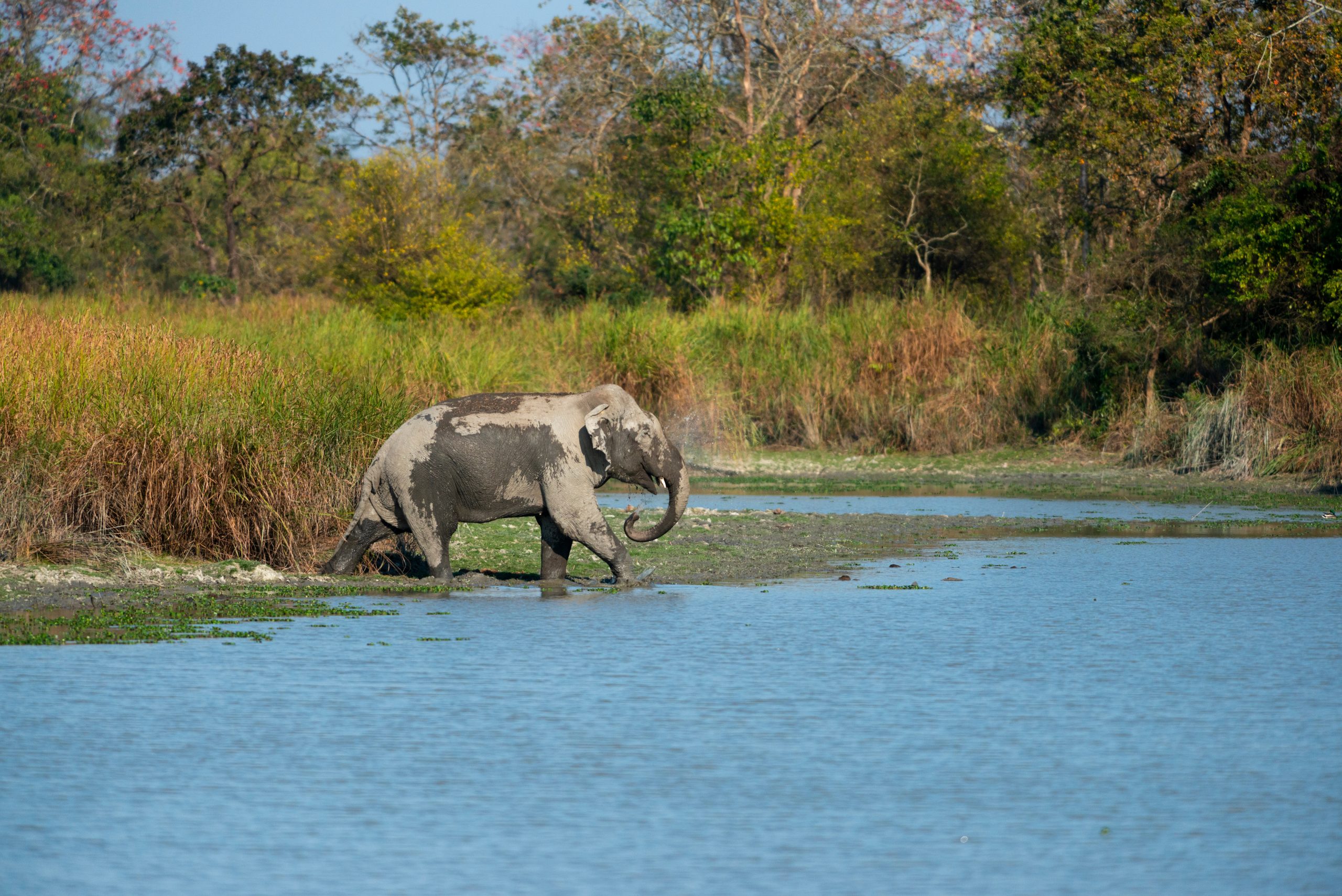
Kaziranga National Park, Assam
- Morning Safari to Kaziranga NP
- Breakfast
- Lunch (Not included/ You may have lunch on a direct payment basis)
- Afternoon Safari to Kaziranga NP
- Evening visit to Kaziranga Orchid Park cum Biodiversity Conservation Centre
- Enjoy a cultural evening (subject to the same being operational on the day of visit)
- Dinner at hotel (Included)
JEEP SAFARI
Forenoon: Entry time between 0730 and 1000 Hours. No entry after 1000 Hrs
Afternoon: Entry time between 1330 and 1500 Hours. No entry after 1500 Hrs
Jeep Safaris are permitted on pre-defined tourist circuits within Kaziranga National Park, currently at the following four points. Each of these circuits takes about one and a half to two and a half hours (or even more depending on the interest of the tourists), subject to local range conditions and weather. Jeep Safari may be cancelled/curtailed for any reason by the Park Authorities without prior notice.
1. Mihimukh in Central Range at Kohora
2. Bagori in Western Range at Bagori
3. Agaratoli in Eastern Range at Agaratoli
4. Ghorakati in Burapahar Range at Ghorakhati
The Central Range passes through the entire habitat spectrum from oxbow lakes and savannah woodland to swamp forests. It is very good for mammal sightings as well as for birds (Blue-bearded Bee-eater, Great Hornbill, Rufous Woodpecker). While driving along the trail, one can see rows of Indian Roofed and Tent Turtles (Kachuga tecta and Kachuga tentoria). Water Monitors Varanus salvator are sometimes spotted in the beels
The Eastern Range abounds in water birds such as bar-headed geese, falcated duck, grey-headed lapwing and spot-billed pelican (a colony of 200 pairs of this globally threatened species nesting on the Bombax trees can be found here).
The Western Range has the highest density of rhinos, as this part of the park is swampier. It has grassland birds and raptors (swamp francolin, Pallas’s fish eagle, etc). Smooth Indian Otters ( Lutrogale perspicillata) can sometimes be seen fishing in its oxbow lakes.
The Kaziranga Orchid Park cum Biodiversity Conservation Centre is spread across 16 bighas of land. It also has a photo gallery of 500 orchids, a greenhouse, lakes with boating and angling facilities and small tree-houses, among other attractions. The basic purpose of opening this park was to conserve local varieties of orchids, flowers, fruits, fish and also to spread cultural awareness and knowledge. Those visiting the park will also be able to taste juices of local fruits, pithas (local cakes) and enjoy Borgeet and Xattriya dance performances as well.
Experts have been involved to give shape to the park. Khonjit Gogoi, a teacher who has been preserving orchids for the past 20 years, pitched in to shape the park. As did Mahan Bora, a farmer, with his 10 years of experience in collecting paddy varieties; Kunti Bora, an expert in medicinal plants, who helped in opening a medicinal plants sales counter; Bihu expert Dhaneswar Saikia, who showcases the original Bihu dance forms and music; and Xattriya expert Biplob Baruah for Xattriya dance training.
- Breakfast
- Move to Dibrugarh
- Visit Ahom monuments and temples at Sivasagar
- Lunch break en-route (Not included/ You may have lunch on direct payment basis)
- Visit Shiva Dol and Shiva Sagar (tank)
- Visit Rang Ghar and Talatal Ghar.
- Evening: Enjoy a dance performance by an ethnic dance group on the bungalow lawns.
- Dinner at the hotel (Included)
In Dibrugarh, Purvi Discovery provides you with two of its well-appointed mid-19th century Chang Bungalows constructed on stilts. Chowkidinghee Chang Bungalow is one such heritage bungalow that welcomes you to Dibrugarh- the “camellia” country! It is ideally suited for a private family holiday, allowing you to experience the luxurious Raj-period hospitality that the British manager and his memsahib enjoyed. When the British established tea plantations in the mid-19th century, they built comfortable bungalows designed to make life as pleasant as possible in what was to them a hostile and strange land. Mancotta Chang Bungalow is another heritage property located on the outskirts of Dibrugarh town. It is conveniently accessible from both Dibrugarh railway station and Dibrugarh airport. It provides a base for a unique holiday set amidst the tea plantations.
Dibrugarh – Dibrugarh is the gateway to the “hidden land” of Eastern Arunachal Pradesh and Northern Myanmar. The Ahoms from Thailand came through Northern Myanmar to this area in the 13th century to establish their empire, which thrived in the ancient land of Assam. It is the “Camellia” town of Upper Assam, an undisturbed, unspoiled and undistributed paradise on earth with breathtaking scenic beauty surrounded by a lush green expanse of tea plantations. Tea, incidentally, is a variety of the camellia plant. Experience and enjoy the richness of these tea gardens while staying at the Heritage Chang Bungalows. These are constructed on stilts and are situated in a serene atmosphere free from pollution.
Sivasagar was once the capital of the Ahom Kings. The Shans who came from Thailand through Northern Myanmar to this area in the early 13th century ruled from here for 600 years. Thus the ruins of Ahom palaces and monuments dot the landscape around this historical town. The Siva Temple situated in Sibsagar was built by the Ahoms and is believed to be the tallest of all existing Hindu temples. Centuries before the arrival of the British, this part of the world was controlled by several tribal chieftains.
Shiva Dol and Shiva Sagar (tank) –A huge 125-acre water tank was built in Sibsagar by Queen Ambika in 1734AD. On its bank are three temples – Shivdol, the most important of the three, attracts a large number of devotees on Shivaratri. It is probably the loftiest Shiva temple in the country.
Rang Ghar –It remains Asia’s largest amphitheatre and was the cultural playground of the Ahom Swargadeos or kings. It was constructed in 1746 during the reign of King Pramatta Singha. The king and his officers would sit in the auditorium and watch indigenous games like wrestling, bird’s fight, buffalo fights and more. There is a beautiful park near the ancient royal auditorium, which enhances its picturesque setting.
Talatal Ghar –Ahom architecture over the centuries has resulted in some very defining edifices. The Talatal Ghar at Sivasagar is a seven-storied building with four floors below the ground and three floors above the ground- an amazing palace for the Ahom Kings but, at the same time, an exceptional architectural concept given the period of history in which it was built.
Bihu is the most popular folk dance of Assam. It has a unique position amongst other Indian dances given its rhythmic exuberance. ‘Bihu ’ is performed by young men and women during the spring season, accompanied by songs woven around the theme of love and reflecting
youthful passion and joy in them. The dance is performed by all, irrespective of caste, creed and religion.
- Breakfast
- Excursion to Naharkatiya
- Visit Namphake Village, inhabited by the Tai Phakial people.
- Visit the Buddhist Monastery at the village and also interact with the local people.
- Know more about the rich tradition and culture of the Tai Phakial people.
- Later, drive to Tinsukia
- Boat ride at Maguri Beel on a country boat to see some birdlife.
- Lunch Break (Not included/ You may have lunch on direct payment basis)
- Drive back to Dibrugarh
- Dinner at hotel (Included)
Namphake Village –Namphake Village is the largest of the Tai-Phake villages in Assam, boasting 70-odd families, which trace their ancestry to the great Tai race. The village folk speak a dialect similar to the language in Thailand and still follow the traditional customs and dress code of the great Tai race. The hamlet is also home to the Namphake Buddhist Monastery, one of the oldest and most respected Buddhist Monasteries in Assam. They are Buddhist in religion. They have their own separate scripts and have also been preserved in a few manuscripts, which are mainly religious scriptures. These manuscripts are written in the Tai script and are preserved in their village Vihars.
TINSUKIA –The ancient name of Tinsukia was Bangmara and was also originally known as Changmai Pathar. It was the capital of the Muttack Kingdom. Bangmara city was built by King Sarbananda Singha with the help of his Minister Gopinath Barbaruah alias Godha. The city was built originally in the middle of where the present Tinsukia city is situated (near Senairam H.S. School). As legend goes, Sarbananda Singha asked Godha Baruah to dig a triangular-shaped pond in Bangmara, which is now known as “Tinikunia Pukhuri”. In 1884, a Dibru-Sadiya Rail line was constructed, and a station was set up near “Tinikunia Pukhuri”; this was subsequently christened Tinsukia. Since then, the city has been known as Tinsukia.
Maguri-Motapung Beel is in Tinsukia District of Assam. It is a wetland complex which is part of Dibru Saikhowa, and is located just outside the Dibru Saikhowa National Park and Biosphere Reserve. Maguri-Motapung Beel is located on the southern bank of the Dibru River; ‘Beel’ is the local name for a lake with marshy areas around its edges. The Beel is connected to the Dibru River by a system of channels and is very rich in aquatic life, especially waterfowl and grassland birds. The best time to visit is November to March.
- Breakfast
- Tea tour at Ethelwood Tea Estate
- Walk in the tea plantation
- Tea tasting session
Post breakfast, take a tea tour around a tea estate known for producing high-quality tea, like Ethelwood Tea Estate. Also experience a tea tasting session of different types of tea with a knowledgeable person in the field of tea / practicing estate manager.
Afternoon flight to Kolkata and connect with an evening flight back home
FEATURED
Itineraries
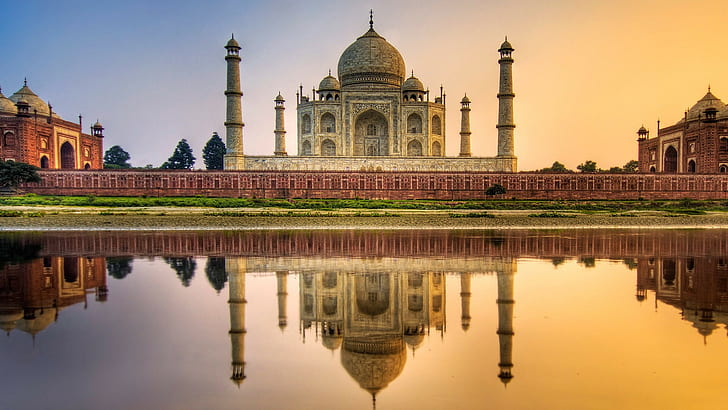
Golden Triangle Tour
This tour of 7 days takes you to three famous destinations which are not only rich in culture but also in history
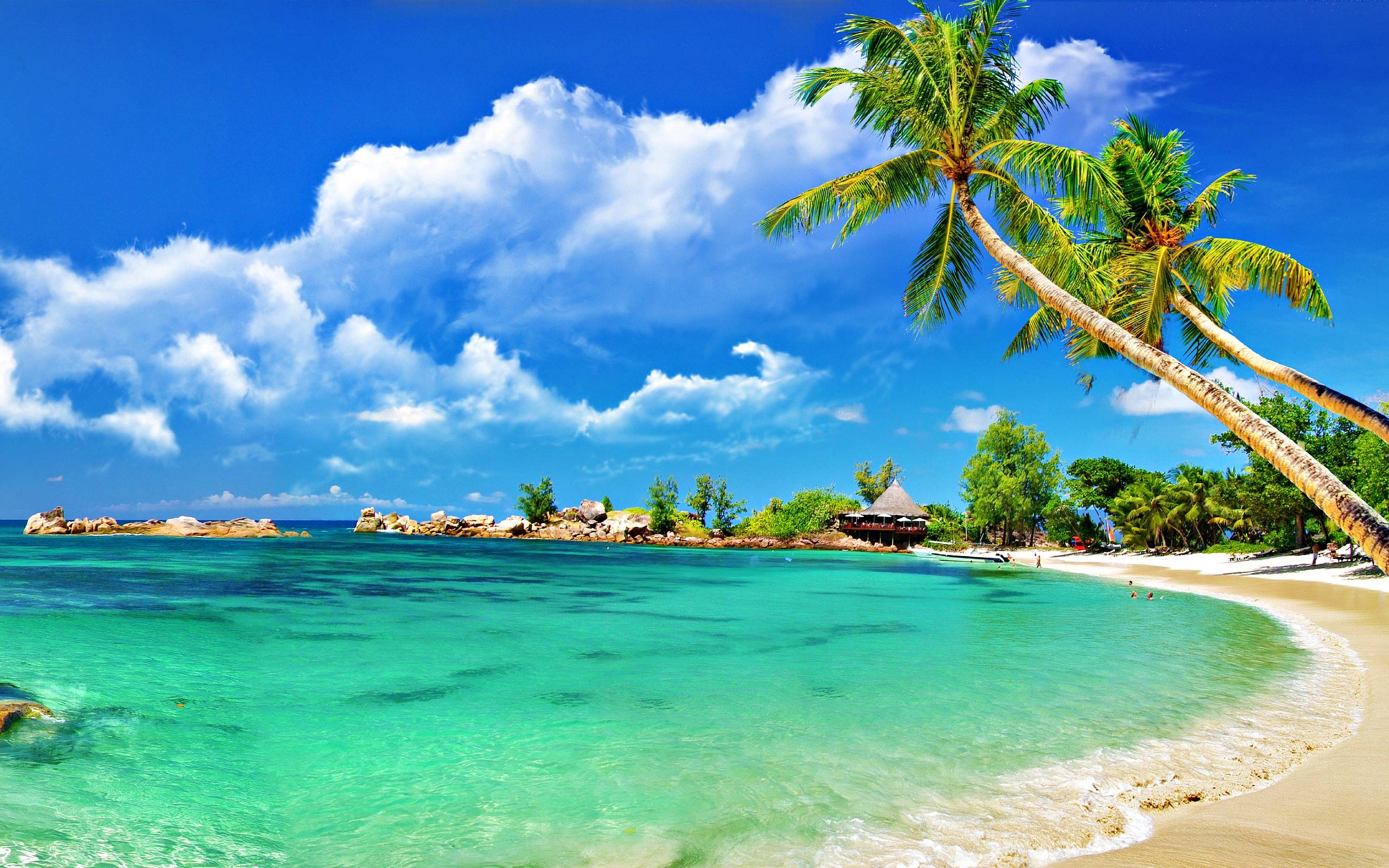
Karnataka & Goa
Covering Karnataka & Goa famous destinations which are not only rich in culture but also in history.
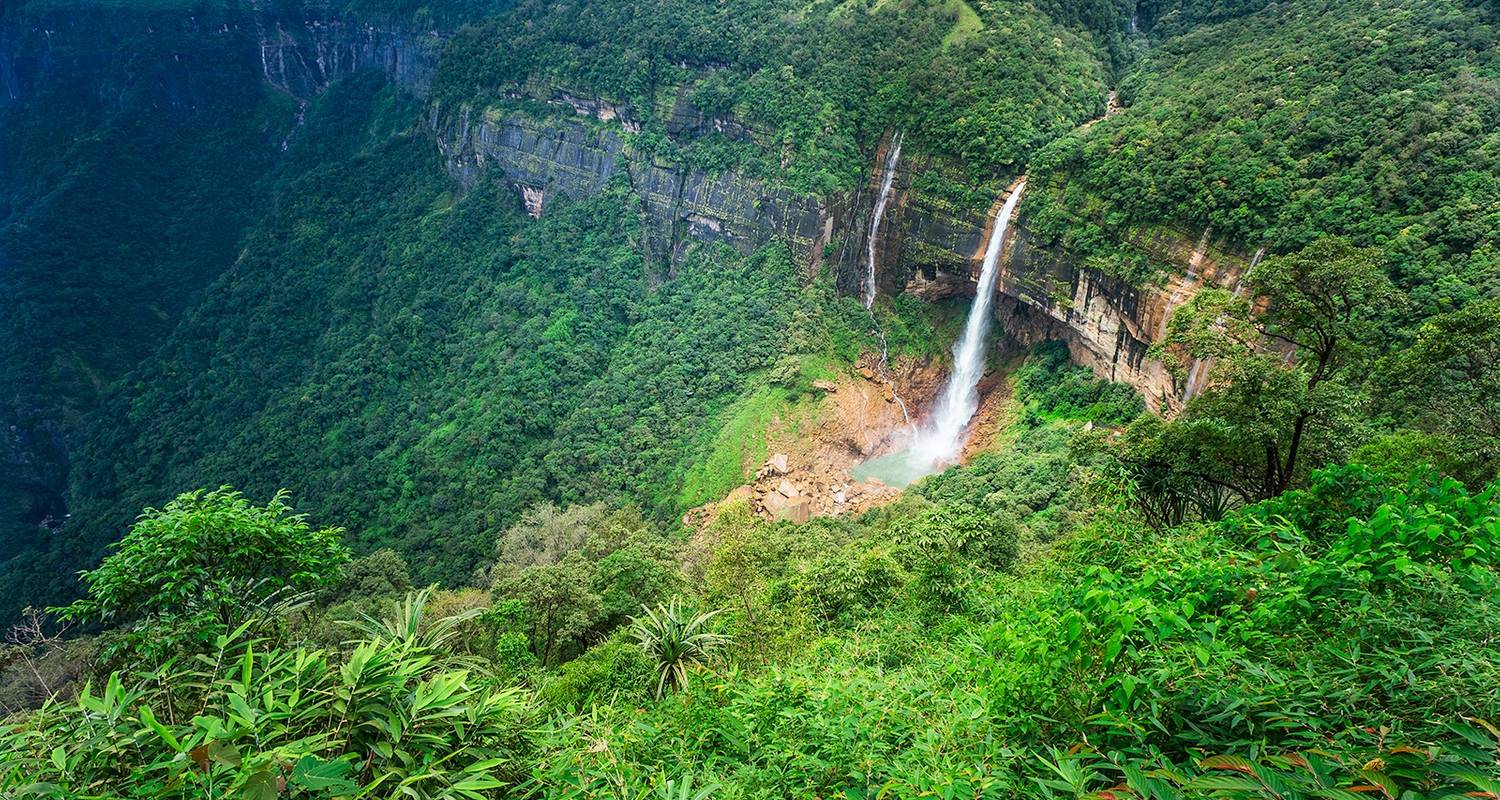
Kolkata-Assam & Meghalaya Trip
This tour of 12 days takes you to famous destinations which are not only rich in culture but also in history.
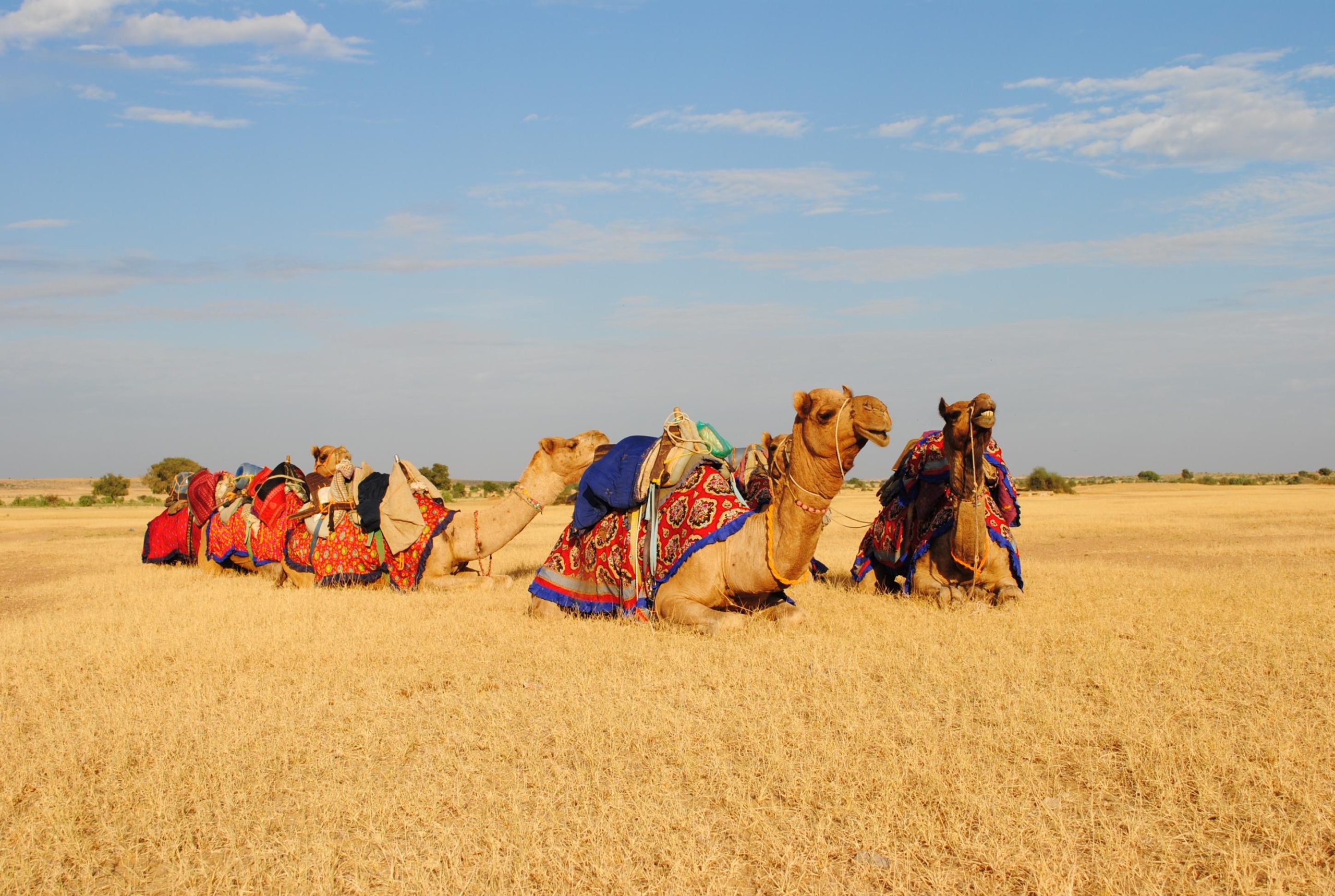
Rajasthan Tour With Taj Mahal
This tour of 15 days takes you to four famous destinations which are not only rich in culture but also in history.
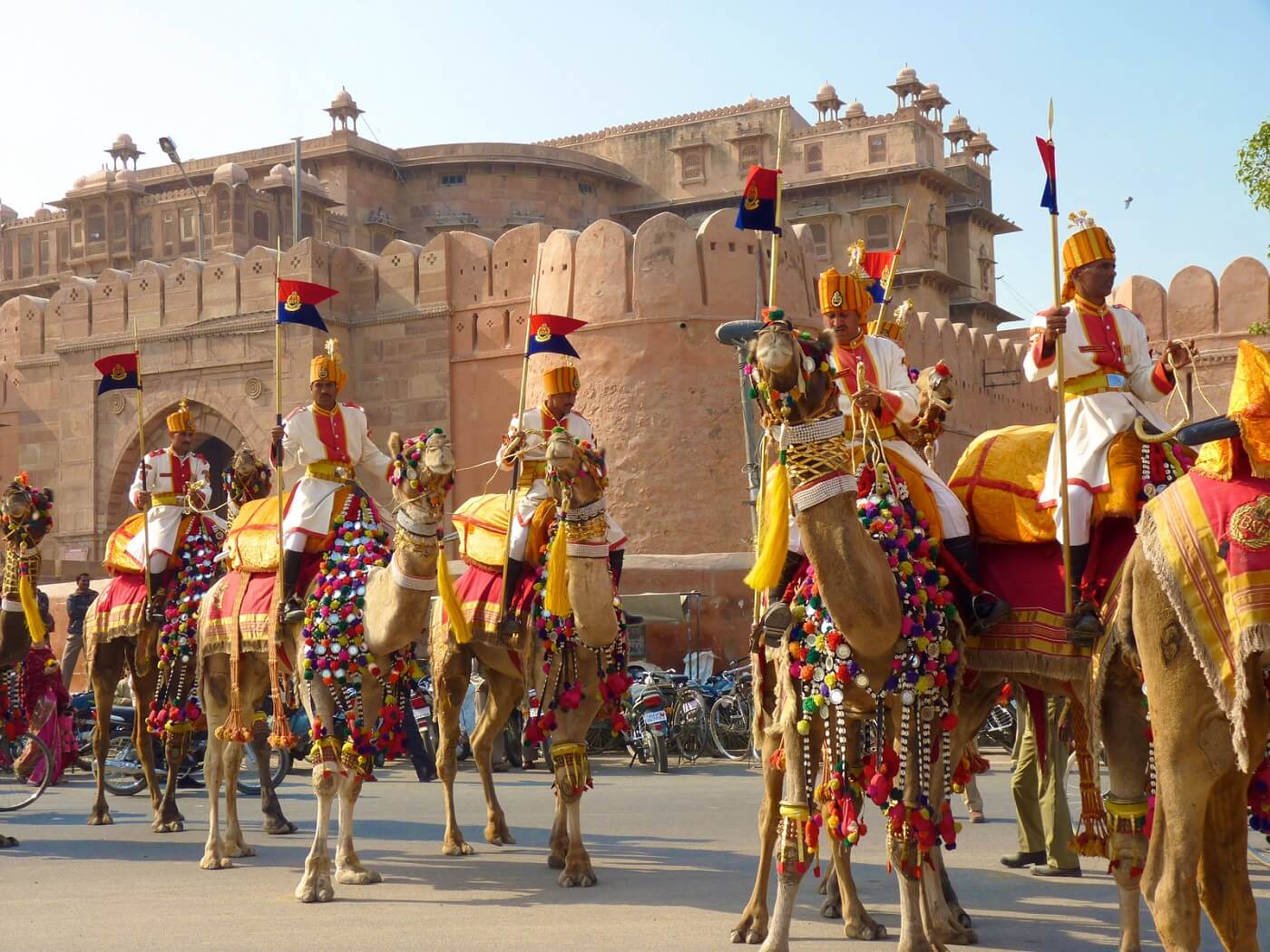
The Grandeur Of Rajasthan
This tour of 15 days takes you to four famous destinations which are not only rich in culture but also in history.
Clasic India
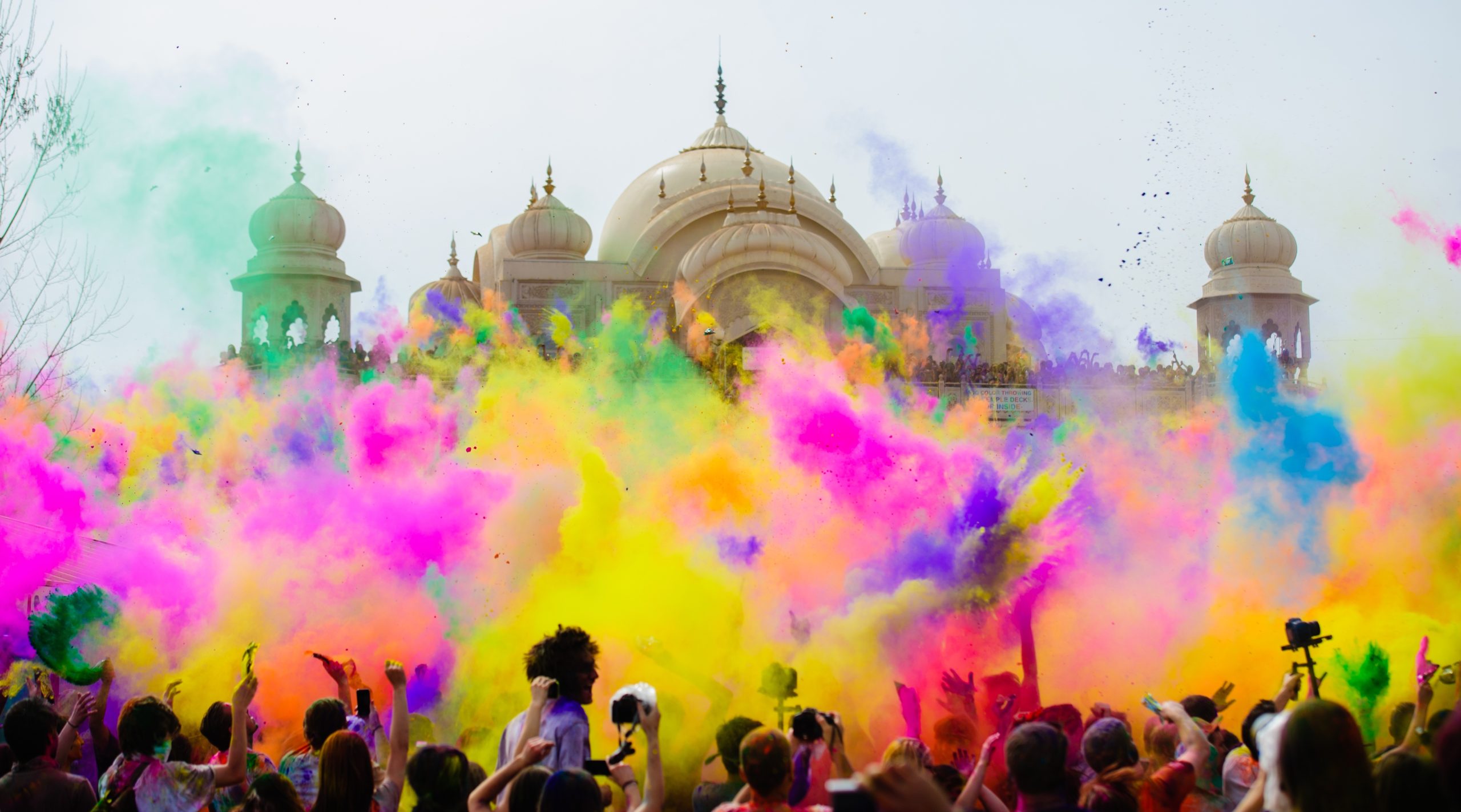
Orchha-Khajuraho and Varanasi famous destinations which are not only rich in culture but also in history.
Kerala Tour
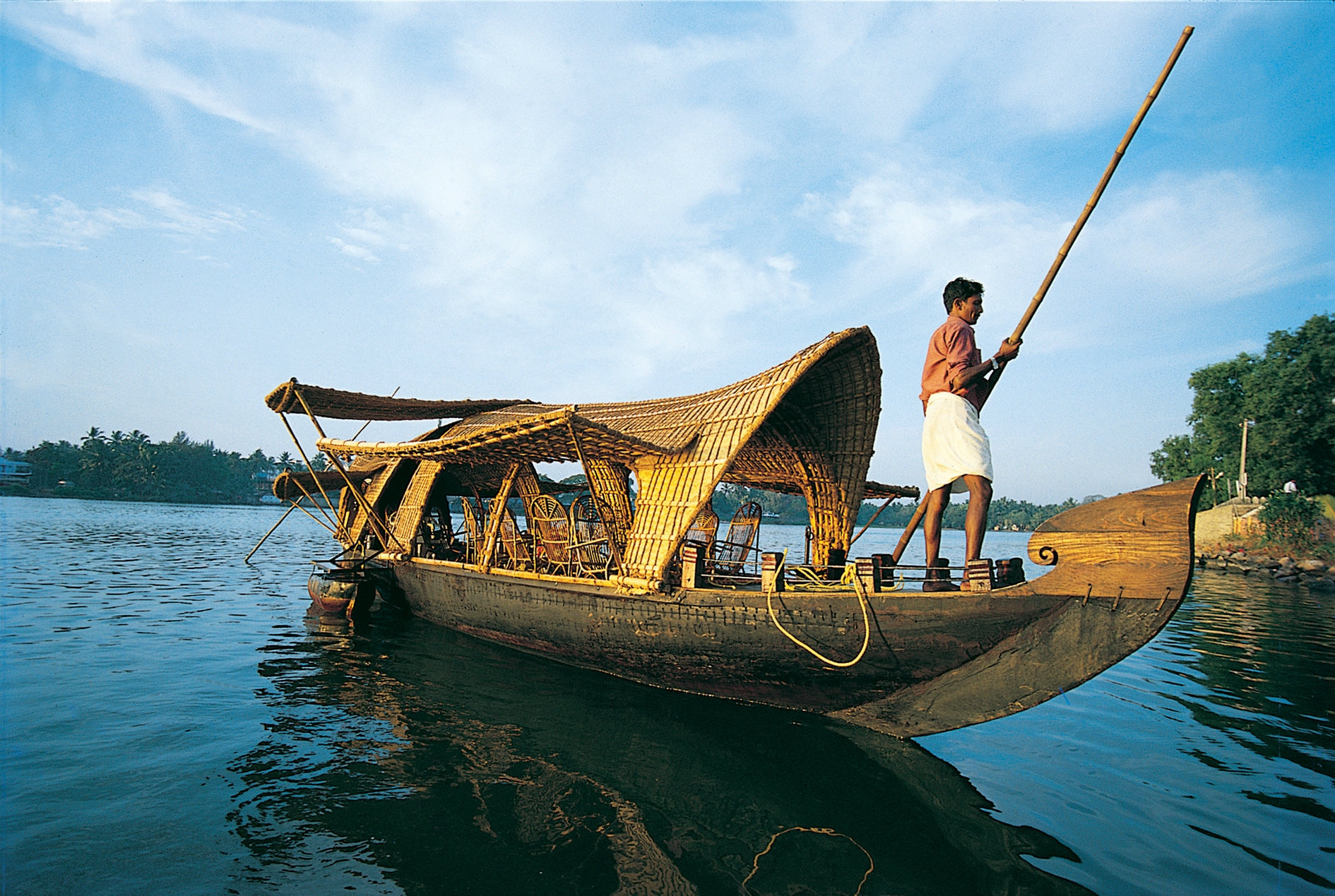
Visit the lush green tea gardens or wildlife sanctuaries and rediscover the true wonder built by nature in India.


